Cost & MOQ
Sample to Bulk: Kitchenware Cost and Lead Time
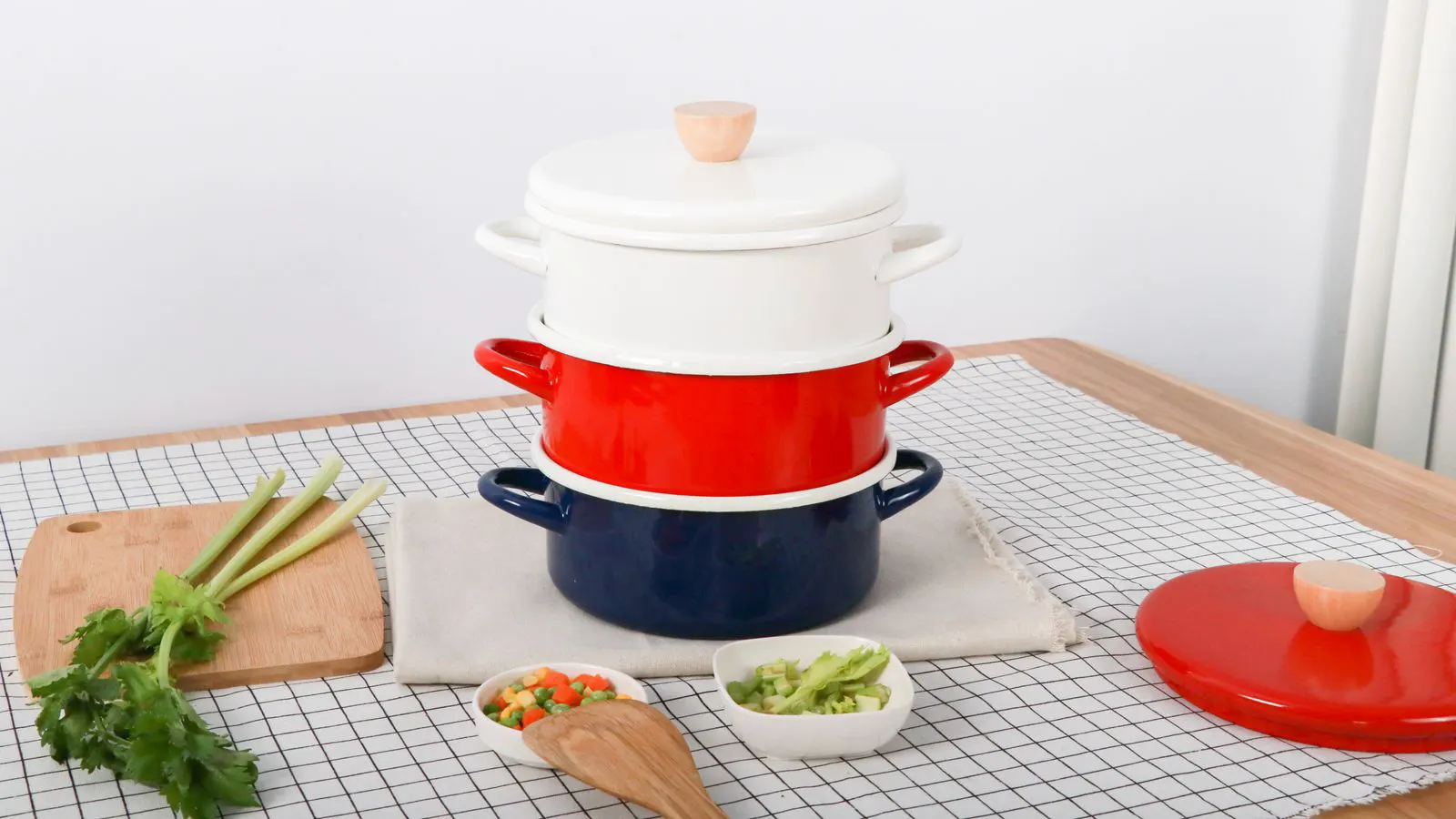
Sample cost and bulk kitchenware pricing differ by material, finish, and order size. MOQs set the floor for production, while lead times depend on tooling and logistics.
Nov 22, 2026 · 15 min read
Small Kitchen Appliances
How to Reduce Noise in Commercial Kitchen Appliances
Reduce commercial kitchen appliance noise by isolating vibration, upgrading dampening pads, maintaining motors, and enclosing equipment. These practical steps lower
Nov 21, 2026 · 9 min read
Choosing a Supplier
Checklist for Evaluating Factory Audit Reports on Cookware Suppliers
A factory audit checklist helps procurement teams verify cookware supplier performance. It covers documentation, material traceability, process controls, and labor
Nov 20, 2026 · 6 min read
Cost & MOQ
MOQ Reduction Checklist: Lowering Kitchenware Order Limits
Lowering MOQs requires separating raw material minimums from finishing constraints. Focus on standardizing designs, adjusting packaging, and aligning production
Nov 19, 2026 · 10 min read
Cutlery & Utensils
Outlook for Stainless Steel Cutlery in Commercial Kitchens
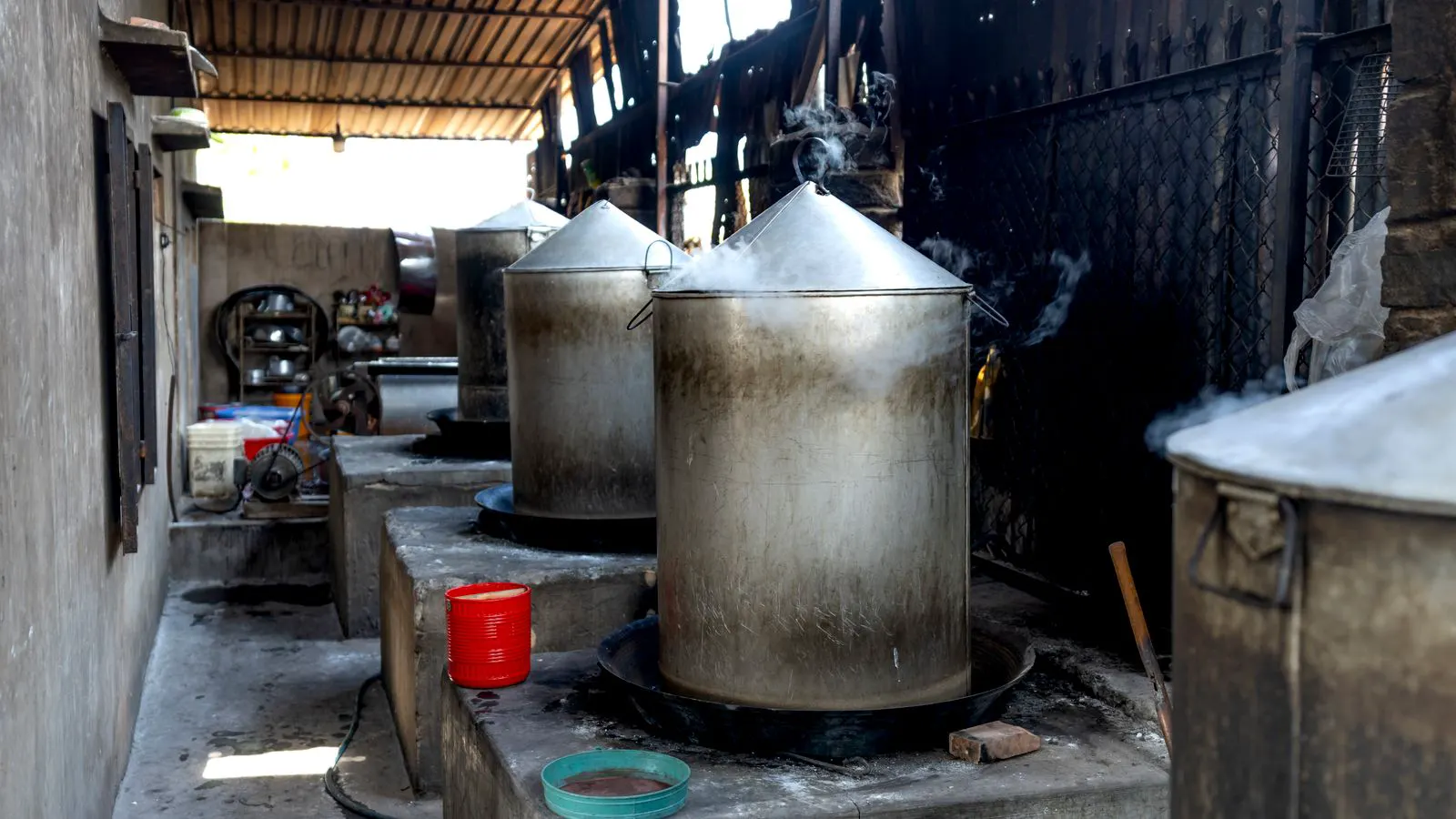
Commercial kitchen cutlery is moving toward higher corrosion resistance, standardized edge geometries, and traceable supply chains. Buyers should plan for stricter alloy
Nov 18, 2026 · 7 min read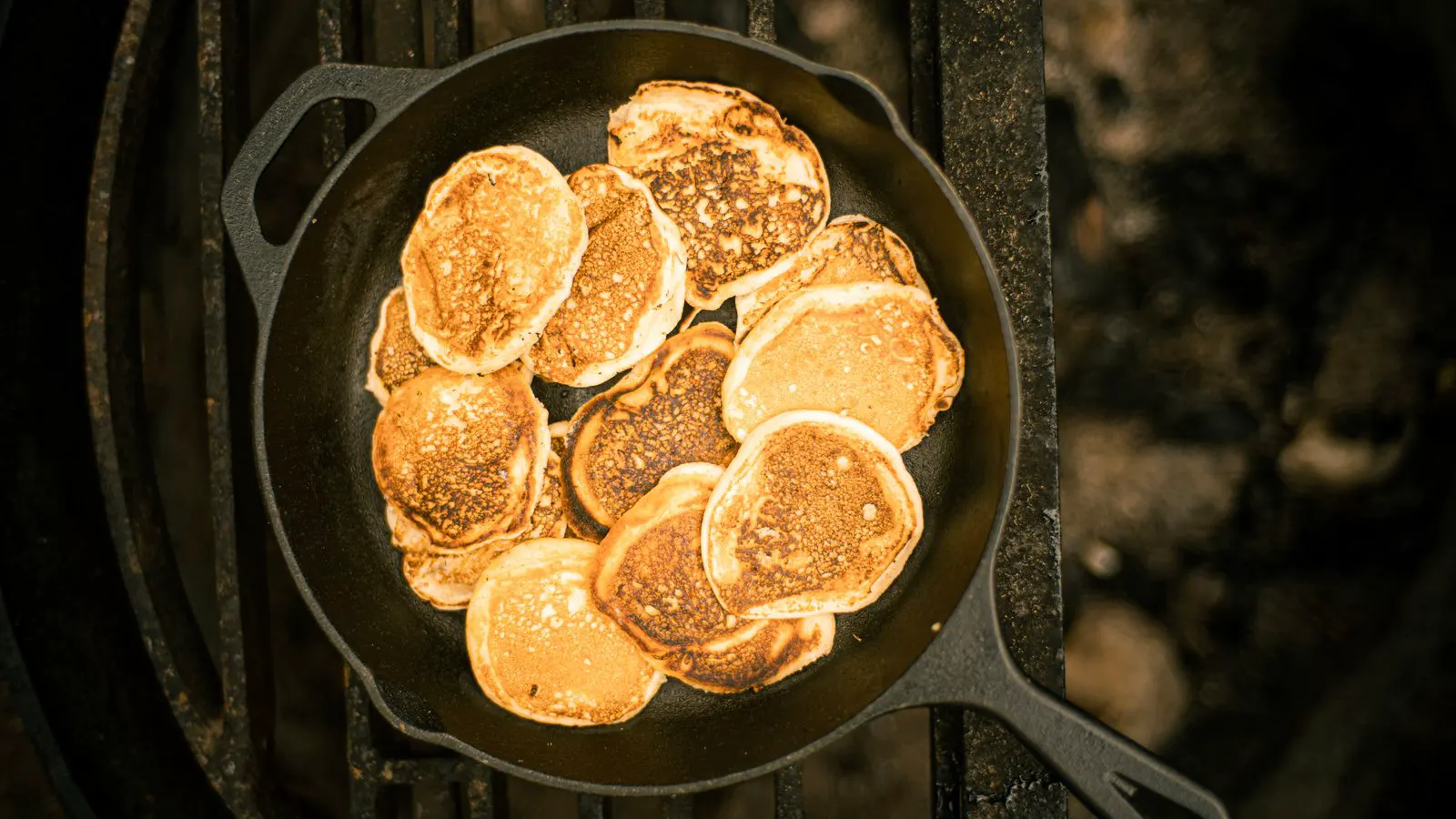
Cost & MOQ
Cast Iron vs Stainless: Cost per Unit at Scale
Cast iron typically costs more per unit than stainless steel at scale due to material density, higher melting energy, and thicker wall requirements. Stainless offers
Nov 17, 2026 · 7 min read
Materials & Safety
Buyer's Guide: Selecting Stainless Steel Grades by Use Case
Engineers must match alloy composition to specific kitchen stresses. This guide explains how to select stainless steel grades based on corrosion resistance, thermal
Nov 16, 2026 · 5 min read
Standards & Certification
Checklist for Verifying Standards Compliance on New Cookware Orders
Verify standards compliance on new cookware by cross-checking certificates, inspection reports, and physical marks. This guide provides a practical audit checklist for
Nov 15, 2026 · 9 min read
Materials & Safety
How to Verify Food Contact Compliance for Imported Utensils
Use a structured audit method to verify food contact certification for imported kitchenware. Check material declarations, test reports, and regulatory alignment. This
Nov 14, 2026 · 8 min read