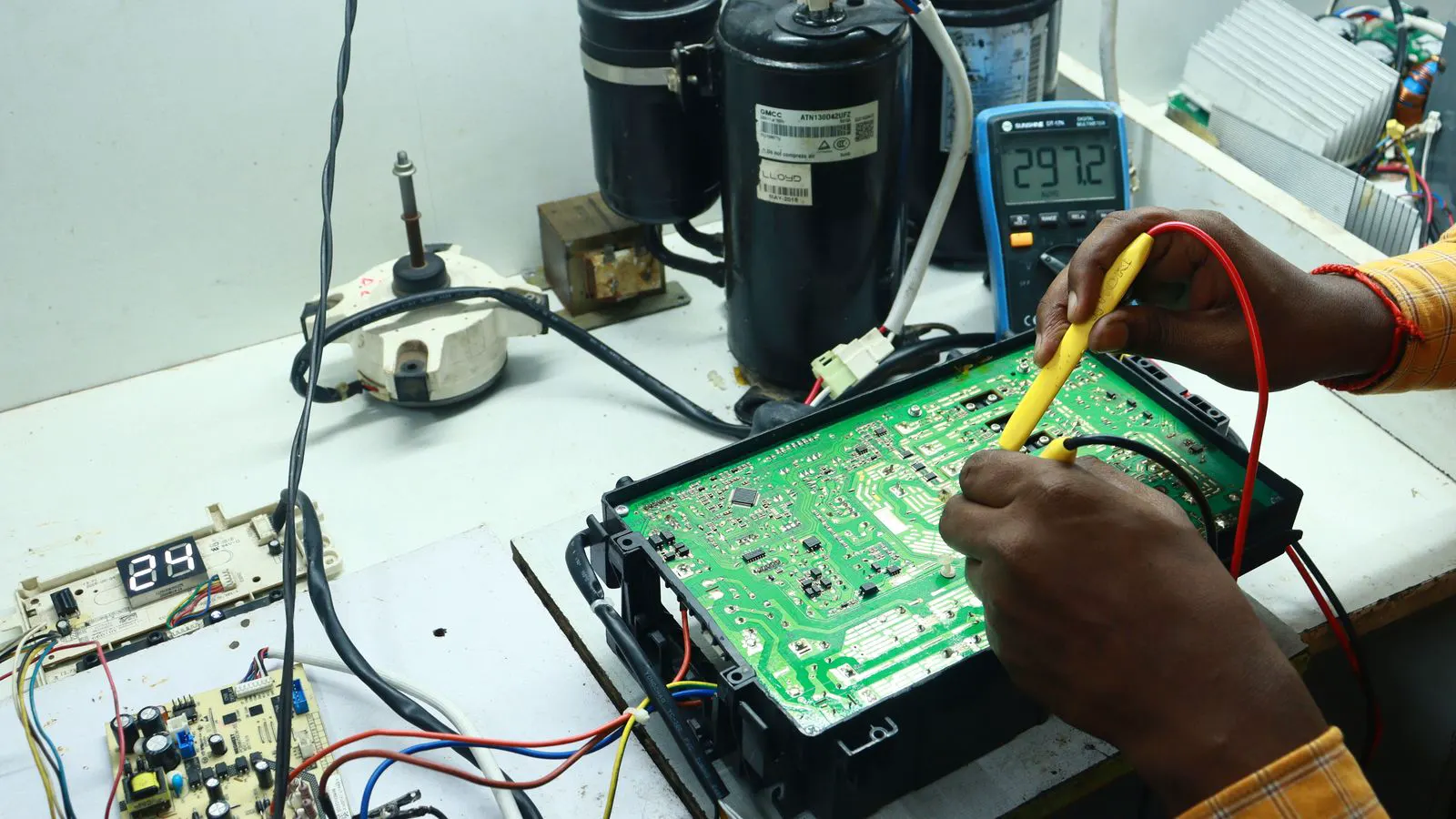
Outlook for Global Standards in Kitchenware and Cookware Manufacturing

Global kitchenware standards are tightening around food contact, electrical safety, and material traceability. Manufacturers must track changing regional rules, update supplier documentation, and build compliance into sourcing decisions to avoid delays and recalls.
- Regional food contact rules are diverging, requiring separate material declarations for each market.
- Electrical safety documentation is becoming more digital and harder to verify without supplier cooperation.
- Traceability requirements are pushing producers to track alloys, coatings, and adhesives across batches.
- Early supplier audits reduce the risk of late-stage compliance failures and shipment holds.
- Standardized internal checklists help procurement teams compare certified suppliers faster.
How Regional Food Contact Rules Are Shaping Production
Kitchenware standards are no longer a single global checklist. Buyers in different regions now face different material limits, testing methods, and documentation expectations. A stainless steel pot that passes one market’s food contact requirements may not meet another market’s limits on certain alloy elements or surface treatments.
This divergence is creating real planning pressure. A manufacturer producing a single line of cookware for Europe, North America, and Asia must maintain separate material certificates, surface finish records, and test reports. The physical product may look identical, but the paperwork behind it is not. Procurement teams must ask suppliers which certification body tested each batch and which regional standard applied.
The practical effect is higher administrative cost. Suppliers who manage compliance well keep digital folders organized by SKU and region. Those who do not struggle to provide material declarations when a port authority or retailer requests them. For buyers, the risk is not just a failed test. It is a delayed shipment, a returned pallet, or a product removed from shelves after it has already reached customers.
What Changes in Electrical Safety for Connected Cookware
Most professional kitchenware remains passive metal, but the line between cookware and appliance is blurring. Smart induction bases, temperature-controlled pots, and built-in heating elements require electrical safety review. These products carry heating components, power cables, and sometimes control boards.
Buyers should expect more documentation around insulation resistance, grounding continuity, and temperature limits. A supplier may provide a generic safety certificate, but that document may not match the exact model or revision being shipped. The mismatch becomes visible during customs review or when a retailer requires a current test report.
The outlook here is toward stricter labeling and clearer model identification. Expect suppliers to include batch codes, firmware versions, and regional compliance marks on the product and the carton. Buyers should verify that the model on the label matches the model in the test report. A small discrepancy can stop a container at inspection.
How Traceability Is Becoming a Standard Requirement
Material traceability is moving from a high-end luxury to a baseline expectation. This is especially true for stainless steel, aluminum, and coated surfaces. Buyers now ask for mill certificates, alloy composition reports, and coating thickness records. The question is no longer only whether a pot is food safe. It is whether every component in the product can be traced back to a documented source.
Coatings present a specific challenge. A hard-anodized aluminum surface, a ceramic coating, or a nonstick finish is a separate material layer with its own compliance profile. The base metal and the coating do not always follow the same test path. A supplier who treats the coating as an afterthought often fails when a buyer requests a separate food contact declaration for the surface finish.
The production shift is toward digital batch records. Many manufacturers are moving from paper logs to systems that link raw material receipts to finished goods. This helps during audits and recall situations. If a coating batch causes a complaint, the manufacturer can identify every SKU, every pallet, and every customer affected. Without that link, the recall expands unnecessarily.
How Certification Bodies Are Adapting to New Market Entry
Certification bodies are adjusting to the reality that products now cross multiple regulatory boundaries before they reach the shelf. A single test report may no longer satisfy a global buyer. Some markets require local testing, some accept recognized test methods, and some require a specific accredited laboratory.
This creates a bottleneck at the supplier level. A factory that has always tested to one dominant standard may now need to maintain relationships with several laboratories. The cost is not only the testing fee. It is the time to ship samples, wait for results, and reissue documents when a standard is revised.
Buyers should build this lead time into their planning. If a new product launch depends on a certification that has not yet been issued, the timeline should include a buffer for retesting or documentation correction. The safest approach is to require suppliers to maintain a compliance calendar that lists upcoming standard revisions and the date when each product line must be re-verified.
How Buyers Can Prepare for Compliance Shifts
The most effective preparation is to treat compliance as a procurement requirement, not a legal afterthought. When selecting a supplier, request a sample of their current documentation for a product similar to what you plan to buy. Look for mill certificates, food contact test reports, electrical safety test reports, and material declarations. The quality of these documents tells you a lot about the supplier’s internal systems.
A useful first step is to create an internal checklist that mirrors your target market’s requirements. The checklist should include the standard name, the test method, the material limits, and the acceptable documentation format. When you share this checklist with suppliers, you reduce the chance that they send a generic certificate that does not match your specific need.
Another useful practice is to audit the supplier’s quality management system, not just the final product. Ask how they store materials, how they track batches, and how they handle a failed test. A supplier that has a clear process for corrective action is usually more reliable than one that simply promises compliance.
How Certification Cost Is Changing Across the Supply Chain
Certification costs are becoming more visible in supplier quotes. A supplier who has already absorbed the cost of food contact testing may not pass it through clearly, but a supplier who is newly entering a regulated market may add testing fees to the unit price. The difference matters when you are comparing two suppliers with similar production capacity.
The cost structure is shifting from a one-time fee to a recurring administrative expense. Standard revisions, changed material suppliers, or new coating processes can trigger retesting. Buyers should ask suppliers how they handle these changes and whether the cost is included in the quoted price or billed separately.
A common mistake is to assume that a certification stamp on a carton means the product is fully compliant. The stamp may indicate that one test passed. It does not guarantee that every component, every revision, and every regional variant is covered. The buyer’s job is to confirm the scope of the certificate, not just the presence of the logo.
How to Verify Compliance Before You Commit to a Large Order
Before placing a large order, run a small compliance verification step. Request a sample unit and ask the supplier to provide the full compliance package. Check that the model number on the sample matches the model number on the test report. Check that the material declaration matches the actual alloy. Check that the surface finish declaration matches the visible coating.
If the supplier resists providing this information, that is a signal. A reliable manufacturer will understand the need for documentation and will not be alarmed by a request for mill certificates or test reports. A supplier who is vague, slow to respond, or unwilling to provide specific documents is likely to create problems later.
The goal is to move compliance from a final gate to a continuous process. When verification is built into the sourcing stage, problems are caught early. When verification is left until after the product is in the market, the cost of fixing it is much higher.
Quick Comparison of Documentation Types
| Document Type | What It Covers | Common Buyer Question |
|---|---|---|
| Mill Certificate | Alloy composition and base material | Does the metal meet the declared alloy grade? |
| Food Contact Test Report | Material safety for direct food contact | Which standard and test method were used? |
| Electrical Safety Report | Insulation, grounding, and heating safety | Does the report match the exact model and revision? |
| Coating Declaration | Surface finish safety and thickness | Is the coating tested separately from the base metal? |
| Batch Traceability Log | Link between raw materials and finished goods | Can every unit be traced back to its source? |
Frequently asked questions
Do I need a separate certificate for each market?
In many cases, yes. Different regions apply different food contact and material standards, so a single certificate may not cover all your target markets.
How do I verify that a supplier’s food contact test is current?
Request the test report number and the date of the test. Confirm that the product model and material match the report, and ask for a retest date if the standard has been revised.
What is the biggest compliance risk for coated cookware?
The coating is treated as a separate material layer. If the base metal and the coating are not declared and tested separately, the product may fail a food contact review.
Should I audit the supplier’s factory or just inspect the final product?
Both are useful, but the factory audit reveals the systems behind the product. A weak traceability system will eventually surface as a documentation failure.
How much lead time should I add for certification?
Add buffer time for sample shipping, laboratory testing, and document review. The exact length depends on the market and the complexity of the product.