Sample to Bulk: Kitchenware Cost and Lead Time
Sample cost and bulk kitchenware pricing differ by material, finish, and order size. MOQs set the floor for production, while lead times depend on tooling and logistics. Clear RFQs and consistent specs allow buyers to compare quotes fairly.
- Sample cost covers tooling, material, and small-batch labor, which makes unit price higher than bulk kitchenware.
- MOQs vary by supplier type and material, setting the minimum run that keeps production economically viable.
- Lead time depends on tooling availability, raw material sourcing, and quality checks rather than assembly speed alone.
- A clear RFQ with specs and target MOQ helps suppliers provide comparable quotes.
- Comparing quotes requires checking hidden costs such as tooling fees, packaging, and freight.
Why sample cost differs from bulk kitchenware pricing
A sample order pays for more than the product itself. The buyer covers tooling, material setup, and labor for a small run. In bulk kitchenware production, those one-time costs spread across thousands of units. The unit price drops as order volume rises.
The gap between sample and bulk pricing depends on material and finish. Cast iron, stainless steel, aluminum, and non-stick coatings each carry different setup costs. A sample set with custom handles or engraving costs more because each detail requires extra setup. A standard stainless pot costs less to sample than a set with a tempered glass lid and precision-machined base.
Lead time also differs. A sample may take a few days to a few weeks. Bulk production requires tooling approval, raw material procurement, and assembly. The timeline stretches when tooling does not exist or when material must be sourced from another region.
The economic difference is structural. When a supplier produces ten pots, the labor hours spent cutting, forming, and polishing each pot are fixed. The overhead of setting up the machine and loading the material remains constant. When the same supplier produces ten thousand pots, that fixed labor cost is divided by a much larger number. The result is a lower price per unit.
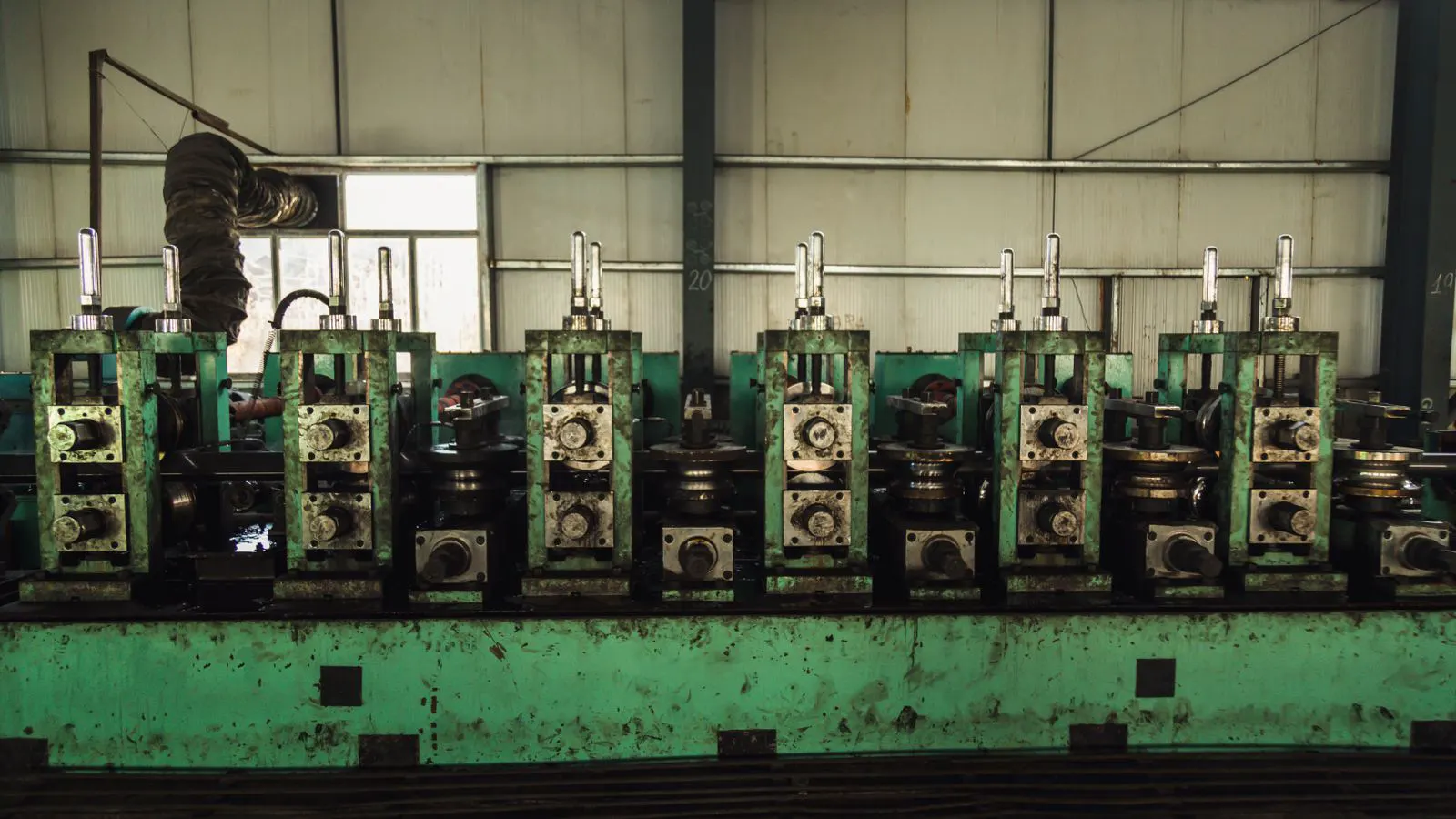
Material choice amplifies this effect. Stainless steel is durable and corrosion-resistant, but it requires precise forming and finishing. A sample of a stainless steel saucepan involves cutting sheet metal, roll forming the body, welding the base, and polishing the surface. Each of these steps consumes skilled labor. Aluminum is lighter and cheaper, but it requires different tooling and often a coating process. Non-stick coatings add a curing step that takes time and energy.
Custom details drive sample costs up sharply. Engraving a logo on the side of a pot requires a separate die or laser setup. A custom handle shape requires a new mold. A colored enamel finish requires mixing and testing the pigment before the first batch. These are one-time costs. They do not disappear in bulk production, but they are amortized.
The sample serves a specific purpose. It validates the design, material, and finish. It allows the buyer to check dimensions, weight, and ergonomics. It confirms that the supplier can produce the item to the required standard. The cost reflects this validation function, not just the raw materials.
What drives the cost of kitchenware samples
The price of a sample depends on several factors. Material type is the first. Stainless steel samples cost more than aluminum because of material cost and finishing requirements. Cast iron samples carry higher shipping risk and weight costs.
Tooling is the second factor. If a supplier must create a new die or mold, the sample absorbs part of that cost. If the product design matches existing tooling, the sample cost approaches the standard unit price.
Quantity is the third factor. A single sample costs more per unit than a set of five or ten. The more items in the sample order, the more setup time spreads across the order.
Material cost is a direct input. Stainless steel prices fluctuate based on global supply chains. A supplier might use 304 stainless steel for food contact parts and 201 for non-contact structural elements. The grade matters. 304 is more corrosion-resistant and requires less polishing to achieve a bright finish. 201 is cheaper but may show pitting over time. The buyer must specify the grade to avoid surprises.
Aluminum is lightweight and conducts heat well. However, it dents easily. A sample of an aluminum pot requires careful handling to prevent damage. The supplier might use a thicker gauge of aluminum to ensure durability. This increases material cost.
Cast iron is dense and heavy. Shipping a cast iron sample incurs higher freight charges. The weight also affects the handling cost inside the factory. Workers need stronger equipment to move cast iron pieces. This adds labor cost.
Tooling is the most significant variable. If the supplier already has a die for a standard 20 cm saucepan, the sample is cheap. The die is reused for many orders. If the buyer wants a 24 cm saucepan with a different base shape, the supplier must create a new die. The cost of that die can be substantial. It involves engineering, prototyping, and testing. The supplier may charge a portion of this cost to the sample buyer.
Quantity affects the spread of fixed costs. A single pot sample requires setting up the machine, loading the material, and inspecting the result. The labor cost for this setup is the same whether the supplier makes one pot or ten pots. Making ten pots spreads the labor cost over ten units. The per-unit labor cost drops significantly.
The supplier’s capacity also matters. A large factory with multiple lines can produce a sample quickly because the lines are idle. A small workshop with one line may have to wait for the current order to finish before starting the sample. This delay adds time, which adds cost.
How MOQ affects bulk kitchenware pricing
MOQ, or minimum order quantity, is the smallest number of units a supplier will produce. For stainless steel cookware, MOQs often reflect the cost of a production run. A supplier may require a minimum of one pallet, one container, or a set number of sets.
MOQs vary by supplier type. A large factory serving global brands may have higher MOQs than a smaller workshop. A smaller workshop may accept lower quantities but charge a higher unit price. The trade-off is flexibility versus cost.
MOQs also change by product. A single pot may have a lower MOQ than a full cookware set. A set includes multiple components, handles, lids, and packaging, which raises the minimum.
The MOQ is a financial protection mechanism. It ensures that the supplier covers its fixed costs. If the supplier must order steel sheets, and the smallest order from the steel mill is a full truckload, the supplier needs enough pots to use that steel. The MOQ is calculated to ensure the run is profitable.
A low MOQ is usually associated with a higher unit price. A high MOQ is usually associated with a lower unit price. The buyer must find the balance. If the buyer needs only 500 units, a large factory with a 5,000 unit MOQ is not suitable. A smaller workshop with a 500 unit MOQ is a better fit.
The product complexity affects the MOQ. A simple aluminum frying pan has fewer parts. The MOQ might be lower. A stainless steel set with a glass lid, a wooden handle, and a specialized base requires coordinating multiple suppliers. The MOQ is higher because the supplier must manage more complex logistics.
Packaging also influences the MOQ. If the buyer requires custom retail boxes with specific artwork, the printer has its own minimum. The supplier must order enough boxes to meet the printer’s MOQ. This pushes up the kitchenware MOQ.
The buyer should ask for the MOQ in writing. The supplier should specify if the MOQ is per SKU or per total order. A supplier might have a low MOQ for standard items but a high MOQ for custom items.
How lead time works in kitchenware production
Lead time covers the period from order confirmation to delivery. It breaks into three phases.
- Tooling and setup. If new tooling is needed, this phase extends. Existing tooling shortens the timeline.
- Raw material and assembly. Stainless steel requires cutting, forming, welding, and polishing. Cast iron requires pouring and finishing. Each step adds days.
- Quality control and packaging. Final inspection, labeling, and packaging take time. Custom packaging adds more.
A sample order may skip some of these phases. A bulk order must complete them. The result is a longer lead time for bulk kitchenware.
The tooling phase is the most variable. If the supplier has existing tooling, this phase can take days. If new tooling is required, it can take weeks or months. The supplier must design the die, manufacture it, and test it. Testing involves producing a trial run and checking for defects. If the trial run fails, the die must be adjusted. This cycle can repeat.
The raw material phase depends on supply chain conditions. Stainless steel sheets must be cut to size. The cutting process must be precise to avoid waste. Forming the sheet into a pot shape requires a press. Welding the base requires a skilled operator. Polishing the interior and exterior removes weld marks and surface imperfections. Each step is a bottleneck if the machine is busy.
Cast iron production has a different rhythm. The iron is melted in a furnace and poured into molds. The molds must be cooled and cleaned. The raw ingots must be ground and finished. This process is slower and less flexible than stainless steel forming.
The quality control phase is critical. Every pot must be inspected. The buyer might require a specific surface finish, such as a brushed or polished look. The lid must fit tightly. The handle must be aligned perfectly. Defective items must be removed. The remaining items must be packed. If the buyer requires custom packaging, the boxes must be printed and assembled. This adds time.
The lead time should include buffer time. Delays are common. Material shortages, machine breakdowns, or shipping issues can extend the timeline. A supplier who promises a 30 day lead time might deliver in 45 days. The buyer should plan for this variance.
How to write a clear RFQ for kitchenware
A Request for Quote, or RFQ, should state exactly what you need. Ambiguity leads to multiple quotes and slow replies.
The RFQ should include the following:
- Product description. Material, size, finish, and features.
- Target quantity. A range helps if the final number is not fixed.
- Packaging requirements. Inner box, carton size, palletization, and labeling.
- Delivery terms. Incoterms, such as FOB, CIF, or DDP.
- Timeline. Required delivery date and sample deadline.
- Payment terms. Deposit percentage and balance due date.
A clear RFQ allows a supplier to price the order without asking follow-up questions. It also makes it easier to compare quotes from different suppliers.
The product description must be specific. Do not write “stainless steel pot.” Write “20 cm stainless steel saucepan, 304 grade, double wall, brushed finish, riveted handle.” This removes guesswork. The supplier can identify the material and the manufacturing process.
The target quantity should be a range if the final number is uncertain. “500 to 1,000 units” allows the supplier to show two price points. The buyer can see how the price changes with volume. This is more useful than a single number.
Packaging requirements are often overlooked. The buyer must specify the inner box, the outer carton, and the palletization. If the product is for retail, the packaging must include barcodes, country of origin, and safety warnings. The supplier must know this to price the packaging cost.
Delivery terms determine who bears the risk and cost of shipping. FOB means the buyer pays for freight from the port. DDP means the supplier delivers to the buyer’s door and handles customs. The choice affects the total cost.
The timeline must be realistic. The buyer should state the required delivery date. The supplier should confirm if it is possible. If the date is tight, the supplier might charge a premium for express production.
Payment terms are standard. A 30% deposit is common. The balance is due before shipment or after inspection. The buyer should agree on these terms before placing the order.
How to compare quotes fairly
Quotes from different suppliers may look similar on the surface. A lower unit price can hide tooling fees, sample costs, or freight. To compare quotes fairly, break each quote into the same line items.
Use the table below to compare cost drivers:
| Cost Driver | What It Affects | How to Check |
|---|---|---|
| Material grade | Unit price and durability | Ask for material specification and mill certificate |
| Tooling fee | Sample cost and first bulk order | Confirm if tooling is reusable or one-time |
| MOQ | Bulk kitchenware price floor | Ask for the minimum run and any quantity breaks |
| Sample cost | Pre-production approval | Confirm sample lead time and shipping cost |
| Packaging | Final landed cost | Check carton dimensions and pallet count |
| Freight and duty | Total landed cost | Confirm Incoterms and export documentation |
A supplier that provides a detailed breakdown is easier to evaluate. A supplier that gives only a total price may hide costs.
The material grade is a key differentiator. One supplier might use 304 stainless steel. Another might use 201. The unit price differs. The durability differs. The buyer must know which grade is being quoted. A mill certificate should be provided to verify the grade.
The tooling fee is often hidden in the sample cost or the first bulk order. The buyer must ask if the tooling fee is separate. If it is, it should be listed. If it is included, the first bulk order price is higher. This is a trade-off. The buyer pays for tooling upfront, or pays a higher unit price later.
The MOQ affects the price floor. If the MOQ is high, the unit price is lower. If the MOQ is low, the unit price is higher. The buyer must calculate the total cost based on the expected volume.
The sample cost is a one-time expense. The buyer should confirm if the sample cost is refunded on the bulk order. Some suppliers refund part of the sample cost. Others do not.
Packaging costs are often underestimated. Custom boxes are expensive. The buyer should ask for the cost per box. The carton dimensions affect freight cost. A large carton takes more space on a pallet and a container.
Freight and duty are critical. The buyer must calculate the total landed cost. This includes the product price, freight, insurance, and duty. The Incoterms determine who pays for which part.
Common mistakes when moving from sample to bulk
Buyers often assume that a sample price scales directly to bulk pricing. It does not. The sample includes setup costs that disappear in a large run.
Another mistake is ignoring lead time. A supplier with a low price may have a long lead time because they must source material from far away. A supplier with a higher price may deliver faster because they keep stock.
Packaging is a frequent oversight. Custom retail packaging adds cost and time. If the final packaging is not approved before production, rework delays the order.
Finally, quality standards must be defined. A sample that looks good on the shelf may not survive a full production run. Set acceptance criteria, such as surface finish, handle alignment, and lid fit, before approving the sample for bulk kitchenware production.
The sample is a prototype. It is made with care. The bulk production is a high-volume run. The quality can drift. The supplier might use a different batch of steel. The polishing machine might be adjusted differently. The handles might be slightly misaligned. The buyer must define the acceptable range.
The buyer should ask for a pre-production sample. This is a sample made from the bulk materials and using the bulk process. It is not the first sample. The first sample is for design validation. The pre-production sample is for quality validation. If the pre-production sample fails, the bulk order is delayed.
The buyer should also check the supplier’s capacity. If the supplier is at full capacity, the bulk order may be delayed. The supplier might outsource part of the production. This changes the quality control.
The buyer must communicate clearly. Any change in the design or material after the sample approval must be documented. A verbal agreement is not enough. A written change order is required.
When to negotiate sample cost
Sample cost is often non-negotiable, but it is worth reviewing. If a supplier charges a high sample fee, ask what is included. Tooling may be separate. Material may be separate. Shipping may be separate.
If the sample design matches a standard product, the fee should be lower. If the design requires custom tooling, the fee should cover that work. A supplier that waives the sample fee may recover it in the bulk order as a tooling charge.
The sample cost is a barrier to entry. It protects the supplier from buyers who are not serious. The buyer should be prepared to pay. However, the buyer should understand what the cost covers.
If the supplier charges a high fee for a standard product, the buyer should ask why. The supplier might have high overhead. The buyer can compare with other suppliers. If the fee is justified by custom tooling, the buyer should accept it.
The buyer can also negotiate the refund. If the bulk order is large, the supplier might refund part of the sample cost. This is a common practice. The buyer should ask about it.
The buyer should also negotiate the sample lead time. If the sample takes too long, the bulk order is delayed. A faster sample is worth the cost.
Practical steps for a smooth transition
- Confirm the sample design and material before paying.
- Request a detailed cost breakdown for the sample.
- Ask for a tooling plan if custom parts are needed.
- Agree on the MOQ before approving the bulk order.
- Confirm the lead time in writing, including buffer for delays.
- Define quality checks and packaging before production starts.
These steps reduce surprises. They also make it easier to compare suppliers when the sample phase is complete.
The first step is to confirm the design. The buyer should review the drawings and the material specification. Any ambiguity should be resolved before payment. The buyer should also confirm the finish. A brushed finish is different from a polished finish. The buyer must see the sample to confirm.
The second step is to request a cost breakdown. The buyer should ask for the cost of material, labor, tooling, and shipping. This allows the buyer to see where the money goes. It also helps in negotiations.
The third step is to ask for a tooling plan. If the product requires custom tooling, the supplier should provide a timeline. The buyer should know when the tooling will be ready.
The fourth step is to agree on the MOQ. The buyer should confirm the minimum quantity. The buyer should also confirm if the MOQ is per SKU or per total order.
The fifth step is to confirm the lead time. The buyer should get the lead time in writing. The buyer should also add buffer time. A 10% buffer is a safe rule.
The sixth step is to define quality checks. The buyer should specify the acceptance criteria. The buyer should also approve the packaging. The buyer should not wait until the bulk order is finished to check the packaging.
Frequently asked questions
Why does a kitchenware sample cost more per unit than a bulk order?
Sample orders cover tooling, setup, and small-batch labor. These costs do not spread across a large run, so the per-unit price is higher.
Can MOQ be reduced for bulk kitchenware?
Some suppliers accept lower quantities for a higher unit price. Others keep the MOQ fixed. The supplier must confirm the minimum run before an order is placed.
What is the typical lead time for a kitchenware sample?
Lead time depends on tooling and material. A standard sample may take a few days. A custom design with new tooling takes longer.
How do I compare quotes from different kitchenware suppliers?
Break each quote into material, tooling, MOQ, sample, packaging, and freight. Compare the same line items to see the true cost.
Does the sample cost get deducted from the bulk order?
Some suppliers credit the sample cost toward the bulk order. Others treat it as a separate fee. The terms should be confirmed in writing.