Cast Iron vs Stainless: Cost per Unit at Scale
Cast iron typically costs more per unit than stainless steel at scale due to material density, higher melting energy, and thicker wall requirements. Stainless offers lower baseline costs but adds premium for multi-ply construction. MOQs vary by supplier and product complexity.
- Cast iron unit costs rise with wall thickness and finish complexity, while stainless costs rise with layer count.
- MOQs are often lower for stainless because the tooling is shared across many product types.
- Total landed cost includes logistics, not just factory price. Cast iron is heavier and moves for more.
- Sample costs and prototype fees differ sharply between the two materials.
- Supplier type changes the price floor. Direct factory sourcing reduces middleman margins.
Why the baseline costs differ
Cast iron and stainless steel cookware start from different material realities. Cast iron is denser, melts at a higher temperature, and requires thicker walls to resist cracking during use. Stainless steel is lighter, has a lower melting point, and can be formed thinner. These physical differences set the floor for manufacturing cost before any decoration or assembly happens.
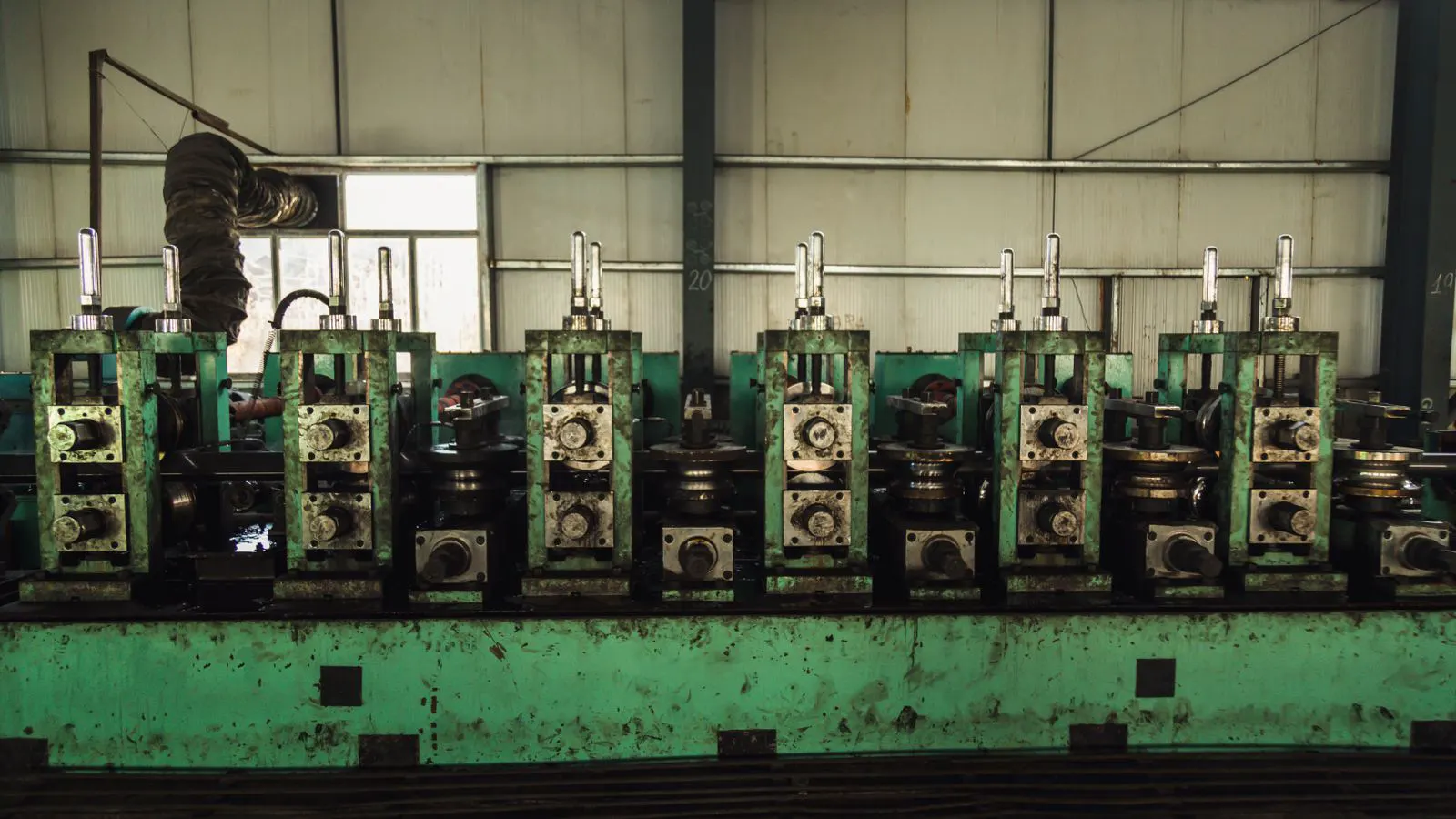
A 24 cm cast iron skillet weighs roughly twice as much as a 24 cm stainless saucepan. That weight difference affects material cost, energy consumption during melting, and shipping. Stainless pans can be stamped from thin sheet and welded or rolled. Cast iron requires a foundry, mold-making, and a longer cooling cycle. The factory floor for each material is built differently, and those differences show up in the quote.
How MOQs shape the final price
Minimum order quantities for stainless cookware are often lower than for cast iron. Stainless manufacturers can run many SKUs on the same forming line. A single press can produce handles, lids, and bases for dozens of designs. Cast iron foundries tend to require larger batches to justify mold maintenance and batch costs.
A typical stainless supplier might accept a 500 unit order for a basic stock pot. A cast iron supplier might set the floor at 1,000 or 1,500 units for a single skillet pattern. The exact number depends on the supplier, the market, and the season. When you request a quote, ask for the MOQ per SKU and per material, not just per order.
Comparison of cost drivers at scale
| Option | Best for | Limitations |
|---|---|---|
| Single-ply stainless | Budget lines, high-volume basics, light-duty applications | Scratches more easily, uneven heat if thin-walled, lower perceived value |
| Multi-ply stainless | Mid-range lines, professional kitchens, durability focus | Higher unit cost, longer production time, more complex quality checks |
| Standard cast iron | Premium lines, high heat retention, durability | Heavier to ship, higher material cost, longer foundry lead times |
| Enameled cast iron | Premium retail, color options, corrosion resistance | Highest cost, more QC steps, longer lead times, heavier weight |
| Hybrid sourcing | Mixed assortments, balancing margin and variety | More supplier management, higher sample costs, complex logistics |
The table above shows the main options. Single-ply stainless is the cheapest to produce. Multi-ply stainless adds cladding layers, which increases cost but improves heat distribution. Standard cast iron sits above both in material and processing cost. Enameled cast iron adds a glazing process, QC, and color control, which pushes the price higher. Hybrid sourcing lets you balance the line but adds complexity.
What moves the number on the quote
The quoted price per unit changes with several variables. Wall thickness is the biggest factor for cast iron. A 6 mm wall costs more than a 5 mm wall because it uses more material and needs more energy to melt. For stainless, the number of plies and the thickness of each ply drive cost. A 3-ply 24 cm pot costs more than a 1-ply pot, even if the outer diameter is the same.
Finish also changes cost. Matte stainless is cheaper than polished stainless because polishing adds a processing step and rework risk. For cast iron, a seasoned finish is cheaper than a factory glaze or a powder coat. Glazing adds a kiln cycle and a quality check for chip resistance. Handles are another cost center. A riveted handle costs more than a welded handle, and a wooden handle adds assembly time and a different material.
Sample costs and prototype fees
Before you commit to bulk kitchenware, you will need samples. Sample costs are usually higher per unit than production prices. A stainless sample might cost 1.5 to 3 times the production price. A cast iron sample can cost 2 to 5 times the production price because the foundry may need to run a small batch to make one mold.
Prototype fees are separate. Some suppliers charge a fixed fee for tooling or mold setup. Others build the cost into the first order. Ask which it is. For stainless, forming dies are often shared across designs, so the fee can be lower. For cast iron, each pattern requires its own mold, so the setup cost is higher.
Logistics and landed cost
The factory price is not the final cost. Freight, insurance, and duties matter. Cast iron is heavy. A container of cast iron skillets fills by weight before it fills by volume. Stainless pans are lighter and can be stacked more tightly. The cost per unit of shipping for cast iron is usually higher.
If you are importing from far away, the freight difference can be significant. A supplier that charges 10 percent less on the unit price may not be cheaper after freight. A supplier that charges more but ships faster or has a better container fill ratio can land at a lower total cost. Always model the landed cost, not just the unit cost.
When to pick which
Pick single-ply stainless when the target price is low and the product is for light-duty home use. The cost per unit is the lowest, and MOQs are often flexible. It works well for stock pots, basic saucepans, and entry-level lines.
Pick multi-ply stainless when the line needs durability and professional performance. The unit cost is higher, but the margin can support it. It is the default for mid-range and professional lines. The MOQs are similar to single-ply, so the cost difference is not driven by minimums.
Pick standard cast iron when the product needs high heat retention and a premium feel. The cost is higher, and MOQs are often larger. It works for griddles, skillets, and hearth-style items. The weight penalty in shipping is real.
Pick enameled cast iron when the retail price point supports it and the line needs color options or corrosion resistance. The cost is the highest, and the lead time is longer. It is a premium item, and the MOQ is often at the top of the range.
Pick hybrid sourcing when you need to balance margin and variety. You can use stainless for the volume items and cast iron for the hero items. This approach improves the average ticket and lets you offer a wider assortment. The cost is in the complexity. You manage more suppliers, more samples, and more logistics.
Practical checks before you sign
Before you accept a quote, run these checks. Confirm the MOQ per SKU, not just per order. A supplier may say 1,000 units, but that could be 500 per SKU. Confirm the material grade and wall thickness. For stainless, ask for the ply count and the thickness of each layer. For cast iron, ask for the wall thickness and the finish process.
Confirm the sample lead time and the production lead time. Cast iron foundries often have longer lead times than stainless forming lines. Ask for the tooling or mold fee and whether it is refundable after the first order. Ask about the payment terms and whether the price is valid for a certain quantity range.
Ask for a landed cost estimate. Some suppliers can quote FOB, CIF, or DDP. The best quote shows the freight and duty estimate, not just the ex-works price. If the supplier cannot provide that, use a freight forwarder to model it. The difference can be larger than expected.
Common mistakes
One mistake is comparing unit prices without comparing wall thickness or ply count. A cheap stainless pot with thin walls is not comparable to a thick-walled cast iron skillet. The use case is different. Another mistake is ignoring the sample cost. If you need five samples from each supplier, that adds up before the bulk order.
Another mistake is assuming the MOQ is fixed. Some suppliers can reduce the MOQ for a premium order or for a longer lead time. Ask. Some can also mix SKUs within the MOQ as long as the total volume meets the minimum. This flexibility can lower the cost for a mixed assortment.
The final mistake is not checking the quality control plan. A cheap unit price can turn into expensive rework. Ask for the inspection report, the defect rate, and the replacement policy. For cast iron, ask about the glaze adhesion and the crack test. For stainless, ask about the weld quality and the clad bond. A small defect rate in a large order is a big cost.
Bottom line for the buyer
The cost per unit at scale depends on material, construction, finish, and MOQ. Stainless is cheaper at the baseline and more flexible on MOQs. Cast iron is more expensive per unit and heavier to move, but it supports premium positioning. Enameled cast iron sits at the top of the cost curve.
The best choice is not the cheapest unit price. It is the lowest total cost that meets the quality, margin, and logistics targets. Model the landed cost. Check the sample fees. Confirm the MOQ per SKU. Ask for the quality plan. Then compare the options on the same basis.
Frequently asked questions
What is the typical MOQ for stainless cookware?
MOQs for stainless cookware often start in the hundreds per SKU, depending on the supplier and the product complexity. Simple stock pots may have lower minimums than complex multi-ply sets.
Is cast iron more expensive than stainless steel?
Yes, cast iron is generally more expensive per unit because of higher material cost, thicker walls, and longer foundry processes. Enameled cast iron costs more than standard cast iron.
How does wall thickness affect cost?
Thicker walls use more material and require more energy to melt and form. For cast iron, a 1 mm increase in wall thickness can noticeably raise the unit cost. For stainless, the ply count and layer thickness drive the cost.
Can you mix stainless and cast iron in one order?
Yes, many suppliers accept mixed orders as long as the total volume meets the MOQ. Some foundries and forming lines can run both, but the lead times and costs may differ.
What should I check in a wholesale pricing quote?
Check the unit price, the MOQ per SKU, the material grade, the wall thickness or ply count, the finish, the sample cost, the production lead time, and the landed cost estimate.