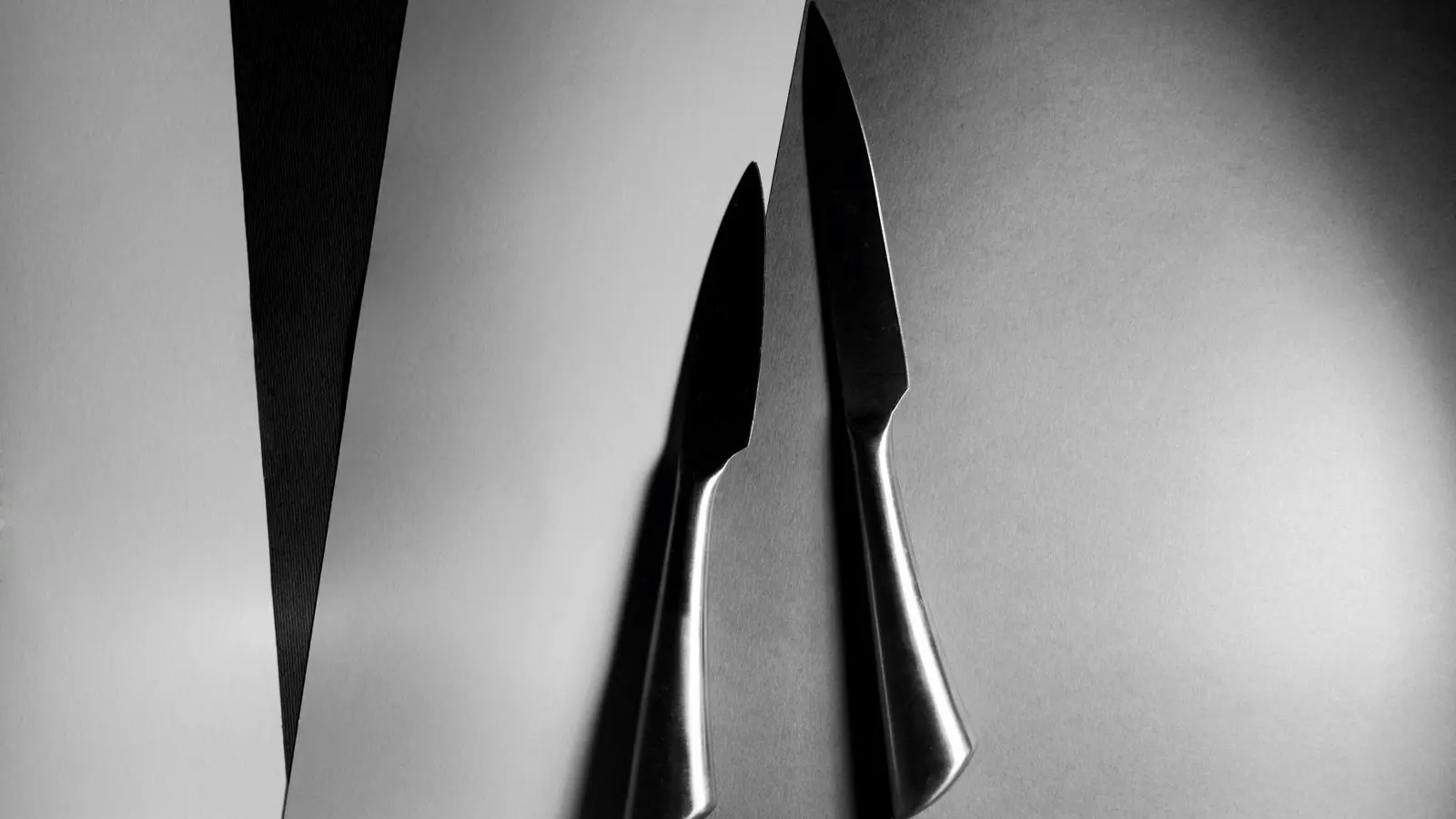
Chef Knives vs Utility Knives for Prep Station Use
Chef knives handle volume and varied cuts, while utility knives offer precision for smaller tasks. The best choice depends on the specific prep station workload, hand size, and the need for speed versus control.
- Chef knives prioritize speed and versatility for high-volume vegetable and protein prep.
- Utility knives offer shorter blades for better control in tight spaces and detailed work.
- Blade length, steel grade, and handle balance directly impact fatigue and consistency.
- Mixing both types in a station often outperforms relying on a single knife.
- Regular edge maintenance is required for both to maintain a safe, effective cut.
What Differentiates a Chef Knife from a Utility Knife
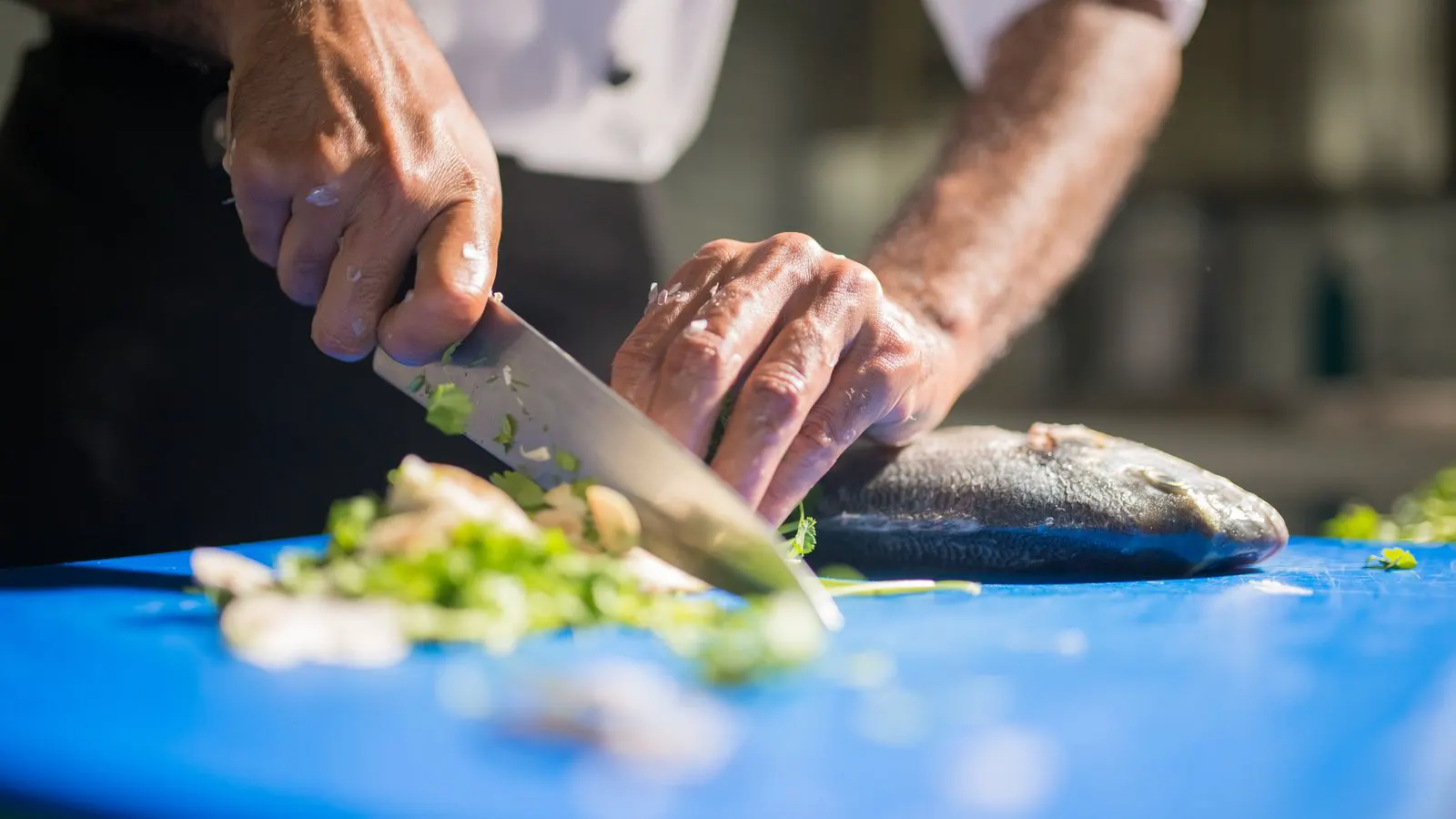
A chef knife is built for throughput. The blade is long, usually between eight and ten inches, with a substantial spine and a belly that allows a rocking motion. This geometry suits repetitive tasks like slicing onions, mincing garlic, and breaking down larger cuts of protein. The handle is typically heavier, which adds stability but can cause fatigue if a chef stands for long periods.
A utility knife takes a different approach. The blade is shorter, commonly between four and six inches, with a shallower belly. This design favors precision. A chef can make a clean, controlled cut around an irregular shape or in a confined space without risking a slip. The handle is lighter, and the overall tool feels more agile.
The difference is not just size. It is the trade-off between speed and control. A chef knife moves a lot of food in a single stroke. A utility knife moves less, but with greater accuracy. Both tools demand sharp edges. A dull chef knife becomes dangerous and tiring. A dull utility knife produces uneven cuts that require rework.
How Blade Geometry Affects Prep Station Work
Blade length determines the type of cut and the space required to execute it. A chef knife needs room to rock back and forth. On a standard prep station, this means the knife should sit on a board that is wide enough to support the full swing. If the board is too small, the chef may feel constrained, leading to awkward angles and potential slips.
A utility knife does not require much room. The shorter blade allows the chef to work near the edge of a board or in a small container. This is useful when trimming fat, deveining shrimp, or making fine julienne cuts. The limited stroke length reduces the risk of the blade sliding off the board.
The curve of the blade matters as well. A chef knife has a pronounced belly that allows the tip to stay on the board while the belly cuts through. This rocking motion is fast for repetitive tasks. A utility knife often has a shallower curve or a more straight edge. This shape is better for push cuts and slicing through firm items like tomatoes or firm vegetables where the chef needs to control the depth of each cut.
Steel grade also plays a role in how the blade performs. High-carbon steels hold an edge longer but require more frequent honing. Stainless steels are easier to maintain but may not hold the sharpest edge for as long. In a high-volume kitchen, the choice of steel affects downtime. A chef who spends time sharpening every hour has less time for prep. The right steel for the station should balance edge retention with ease of maintenance.
Handling and Balance in a High-Volume Station
The handle is where the chef spends most of the day. A chef knife handle is usually thicker to support the weight of the blade. This provides a stable grip, but it can become tiring over time. A utility knife handle is slimmer, which reduces hand fatigue but may feel less secure for heavy cuts.
Grip style is another factor. Some chefs prefer a pin grip, where the fingers wrap around the handle. Others use a pinch grip, where the thumb and forefinger pinch the blade near the handle. A chef knife is often better suited for a pinch grip because the longer blade gives more control over the tip. A utility knife can be used with either grip, but the shorter blade makes a pin grip more comfortable for fine work.
Balance is critical. A well-balanced chef knife should feel neutral in the hand. If the blade is too heavy, the chef must lift the knife to start each cut, which leads to wrist strain. If it is too light, the blade may feel flimsy and unstable. A utility knife should feel light enough for detailed work but solid enough to cut through firm ingredients without wobbling.
When to Pick a Chef Knife for the Prep Station
A chef knife is the primary tool for high-volume prep. It handles the bulk of the work. If the station is responsible for large quantities of vegetables, herbs, or proteins, the chef knife is the workhorse. It moves ingredients quickly and handles a wide variety of cuts.
The chef knife is best when the prep involves repetitive, similar cuts. Slicing carrots, mincing shallots, or chopping garlic are tasks where speed matters. The rocking motion of a chef knife allows the chef to maintain a consistent rhythm. This reduces the time per cut and helps maintain quality under pressure.
It is also the right choice when the kitchen needs versatility. A single chef knife can handle most prep tasks. This simplifies the station setup and reduces the need for multiple tools. For a small station with limited space, a chef knife may be the only knife needed.
When to Pick a Utility Knife for the Prep Station
A utility knife is the right choice when precision matters more than speed. It is ideal for detailed work like trimming, scoring, or fine mincing. If the station is preparing garnishes, small components, or items with irregular shapes, the utility knife offers better control.
The utility knife is also useful in tight spaces. If the prep station has limited board space or if the chef is working in a small area, the shorter blade reduces the risk of accidents. It is safer for tasks where the hand is close to the blade.
In a professional kitchen, a utility knife often complements a chef knife. The chef knife handles the bulk of the work, while the utility knife takes care of the details. This division of labor improves efficiency and reduces fatigue. The chef can use the utility knife for the final touches and then switch to the chef knife for the heavier lifting.
Comparison of Chef Knives and Utility Knives for Prep Stations
The choice between the two comes down to the specific demands of the station. The table below outlines the key differences.
| Option | Best for | Limitations |
|---|---|---|
| Chef Knife | High-volume prep, repetitive cuts, versatility | Larger handle can cause fatigue, requires more board space |
| Utility Knife | Precision cuts, detailed work, tight spaces | Slower for bulk tasks, less versatile for heavy cutting |
| Santoku Knife | Hybrid approach, good for both volume and precision | Shorter blade than a chef knife, less rocking motion |
| Paring Knife | Fine details, peeling, small components | Not suited for slicing or chopping, limited to very small cuts |
A chef knife is the default for most prep stations. It handles the most work and is the most versatile. However, a utility knife is a necessary addition for detailed tasks. The combination of both tools allows the chef to work efficiently and accurately.
Maintenance and Edge Retention
Both knife types require regular maintenance. A chef knife is used more heavily, so the edge wears down faster. It needs frequent honing to maintain a sharp profile. A utility knife, used for lighter tasks, may hold its edge longer, but it still requires attention.
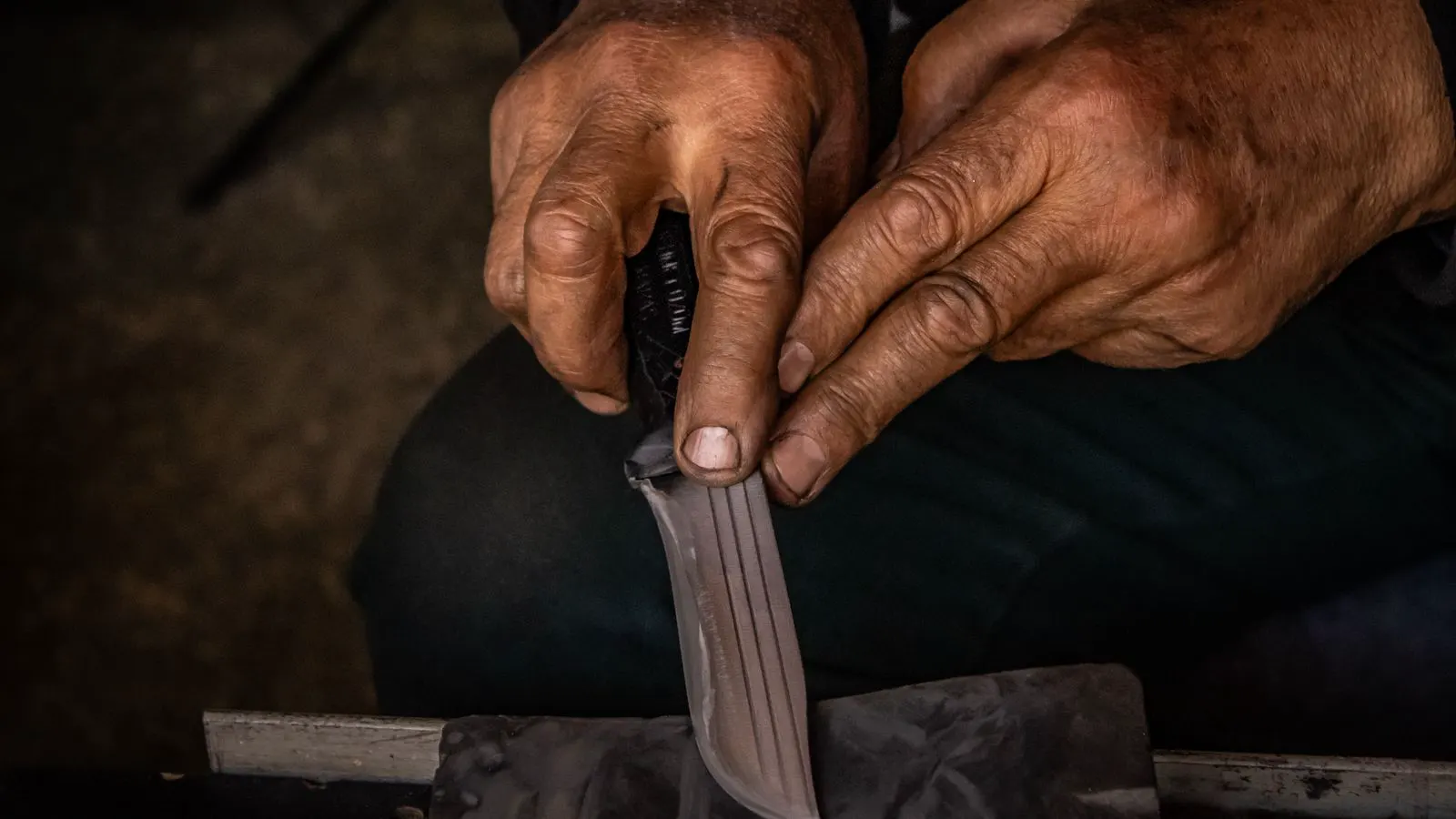
The method of sharpening matters. A honing steel maintains the edge between sharpening sessions. A whetstone or electric sharpener restores the edge when it becomes dull. The chef should inspect the edge regularly. A dull knife is not only inefficient but also a safety risk.
The steel grade affects maintenance needs. High-carbon steels are sharper but more prone to rust and corrosion. They require careful cleaning and drying. Stainless steels are more resistant to rust but may not hold the edge as well. The kitchen should choose a steel that fits its workflow and cleaning protocols.
Final Selection Criteria for the Prep Station
Selecting the right knife depends on the volume, the type of food, and the space. A station with high volume and repetitive cuts should prioritize a chef knife. A station with detailed work and limited space should include a utility knife.
The chef’s hand size and grip preference also matter. A larger hand may find a chef knife more comfortable, while a smaller hand may prefer a utility knife. The handle should fit the hand naturally without strain.
Finally, the kitchen should consider the cost and availability of replacement knives. A high-quality chef knife is an investment. A utility knife is a lower-cost addition. Having both tools ensures that the station is equipped for many tasks. The right combination improves efficiency, safety, and the quality of the final product.
Frequently asked questions
Can a utility knife replace a chef knife for all prep tasks?
No. A utility knife is not designed for high-volume or heavy cuts. It lacks the length and strength of a chef knife for tasks like slicing large vegetables or breaking down proteins.
Which knife is safer for a beginner chef?
A utility knife is often safer for beginners because the shorter blade reduces the risk of slipping. However, both knives require proper technique and a sharp edge to use safely.
How often should a chef knife be honed?
A chef knife should be honed regularly, often after each use or between sharpening sessions. The frequency depends on the steel grade and the intensity of use.
Is a santoku knife a good alternative to a chef knife?
A santoku knife is a good hybrid option. It offers some versatility of a chef knife with a shorter blade for more control. It is a good choice for stations that need both speed and precision.
Can I use a utility knife to chop vegetables quickly?
A utility knife can be used to chop vegetables, but it is slower than a chef knife. The shorter blade requires more cuts per piece, which increases the time and effort involved.