Chef Knife Blade Steel Grades for High-Volume Kitchens
Professional chef knives rely on specific blade steel grades that balance edge retention with corrosion resistance. High-volume kitchens require cutlery that withstands frequent sharpening and constant exposure to acidic foods. The right choice depends on the knife's primary task and the kitchen's cleaning schedule.
- Harder steels hold an edge longer but chip more easily on bone and frozen foods.
- Softer steels resist chipping but require more frequent sharpening in high-volume settings.
- Corrosion resistance matters more in kitchens with frequent acidic food preparation.
- Maintenance schedules must match the chosen steel grade to keep cutlery safe and effective.
- Sourcing decisions should consider the knife's specific role, not just the brand name.
What defines blade steel in professional cutlery
Blade steel refers to the alloy composition used to forge the cutting surface of a chef knife. This material determines how the knife holds a sharp edge, how easily it rusts, and whether it chips when hitting a dense object. For professional kitchens, these properties are not abstract preferences. They directly impact food safety, workflow speed, and the cost of replacing tools.
A knife is only as good as the steel inside it. Two knives can look identical on the counter but behave very differently during a service. One might hold a fine edge through a full dinner service. The other might require re-sharpening every few hours. The difference lies in the carbon content, alloying elements, and heat treatment applied during manufacturing.
When sourcing chef knives for a busy restaurant, the buyer must look past the handle material and the brand logo. The steel grade tells you how the tool will perform under pressure. It tells you how often the knife sharpener needs to visit and how careful the kitchen staff must be with the blade.
How hardness affects daily performance
Hardness is measured on the Rockwell scale, though most buyers do not need the exact number. They need to understand the trade-off. A harder steel is more resistant to wear. The edge stays sharp longer because the material resists microscopic changes during cutting. This reduces the time spent at the sharpening station.
However, hardness creates a downside. Hard materials are often more brittle. If a chef strikes a bone, a frozen vegetable, or a ceramic plate with the flat of the blade, a hard steel is more likely to chip or crack. In a high-volume environment, mistakes happen. A knife that chips after one impact is a liability.
A softer steel is more forgiving. It bends slightly when hit and recovers its shape. It resists chipping better. But it wears down faster. The edge loses its sharpness more quickly, requiring more frequent attention. For a kitchen that chops vegetables for thousands of plates a day, the softer steel may need a new edge every few shifts.
The choice depends on the knife’s role. A primary chef’s knife used for everything benefits from a balance. A dedicated paring knife for delicate work might tolerate a softer, more durable edge. A boning knife used on dense cuts needs a tougher, less brittle steel.
Corrosion resistance and kitchen conditions
Acidic foods are a daily reality in professional kitchens. Tomatoes, citrus, vinegar-based sauces, and wine create a hostile environment for steel. Standard carbon steel reacts to these acids. It forms rust spots quickly. Rust is not just ugly. It weakens the metal and can harbor bacteria if left unchecked.
High-volume kitchens often have limited time for deep cleaning. Staff wash knives after each station change or at the end of a shift. If the steel is prone to rust, these quick washes are not enough. The blade may need drying and oiling immediately after washing. This adds to the workload.
Stainless steels offer better corrosion resistance. They contain chromium, which forms a protective layer on the surface. This layer slows down rust formation. For a kitchen with long service hours and frequent exposure to acidic ingredients, this protection is a major benefit.
It is worth noting that stainless steel is not immune to rust. If the layer is scratched or if the steel is left wet for days, rust can still appear. But it is much slower. The buyer must consider the cleaning routine. A kitchen that scrubs knives daily with harsh chemicals may need a more resistant steel than one that uses gentle soap and immediate drying.
Common steel grades used in chef knives
The table below lists common steel grades and their general traits. These are not exhaustive, but they cover the most frequent options seen in professional cutlery.
| Steel Grade Type | Hardness Level | Corrosion Resistance | Chipping Resistance | Typical Use Case |
|---|---|---|---|---|
| High Carbon Steel | High | Low | Low | Dedicated vegetable chopping |
| Stainless Steel (Standard) | Medium | Medium | Medium | General kitchen use |
| Stainless Steel (High Alloy) | High | High | Low | Acidic food preparation |
| Tool Steel (Vanadium) | Medium-High | Low | Medium | Heavy duty mixing |
| Powder-Metal Steel | High | Medium-High | Low | Precision slicing |
High carbon steel is the classic choice for many traditional chefs. It takes an edge very well and feels responsive in the hand. However, it demands strict maintenance. It must be dried immediately after washing. It may need oiling before storage. In a high-volume kitchen, this level of care is difficult to maintain consistently.
Standard stainless steel is the workhorse of modern kitchens. It is easy to clean and resistant to rust. It holds an edge reasonably well. It is the default choice for most restaurant programs. It strikes a balance between performance and ease of use.
High alloy stainless steels push the corrosion resistance further. They are often used in knives that handle fish, citrus, or dairy products. They are more expensive to produce. They may not hold an edge as long as high carbon steels, but they last longer in acidic environments.
Powder-metal steels are newer in the professional market. They are made from finely ground metal powder, which creates a uniform structure. This allows for very high hardness with good toughness. They are often found in premium chef knives. They hold an edge exceptionally well but can be brittle if not heat-treated correctly.
Matching steel to the kitchen workflow
The steel choice must fit the workflow. A kitchen that focuses on fine dining with delicate plating may prefer a knife that holds a microscopic edge for long periods. A steel with high hardness and fine grain structure works well here. The knife stays sharp through many cuts, ensuring consistency in presentation.
A kitchen with a heavy grill or a large soup station has different needs. The knives are used for rougher tasks. They may hit bone, fat, or frozen stock. Here, a softer, tougher steel is better. It survives impacts that would chip a hard knife. The sharper edge is replaced by durability.
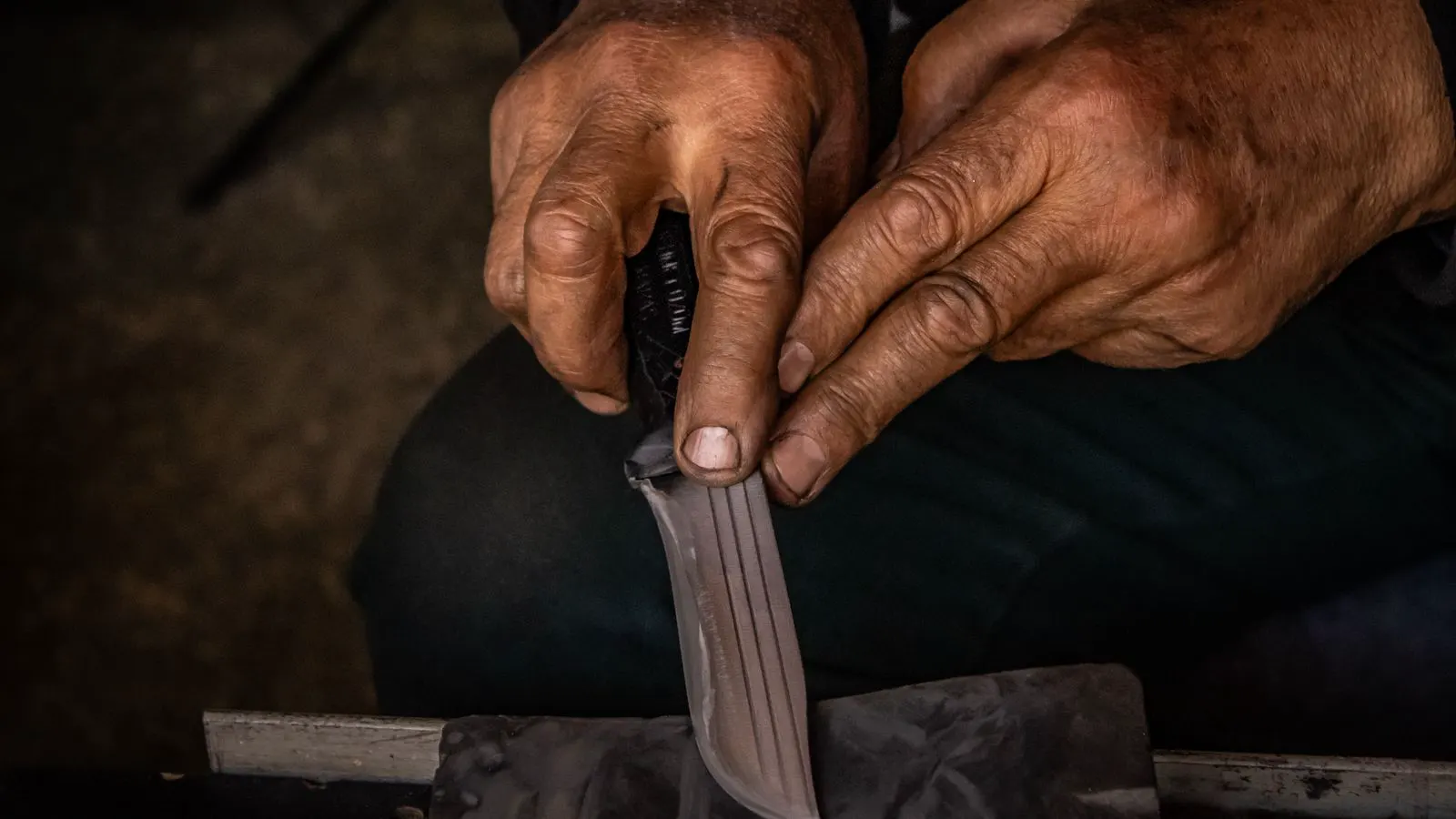
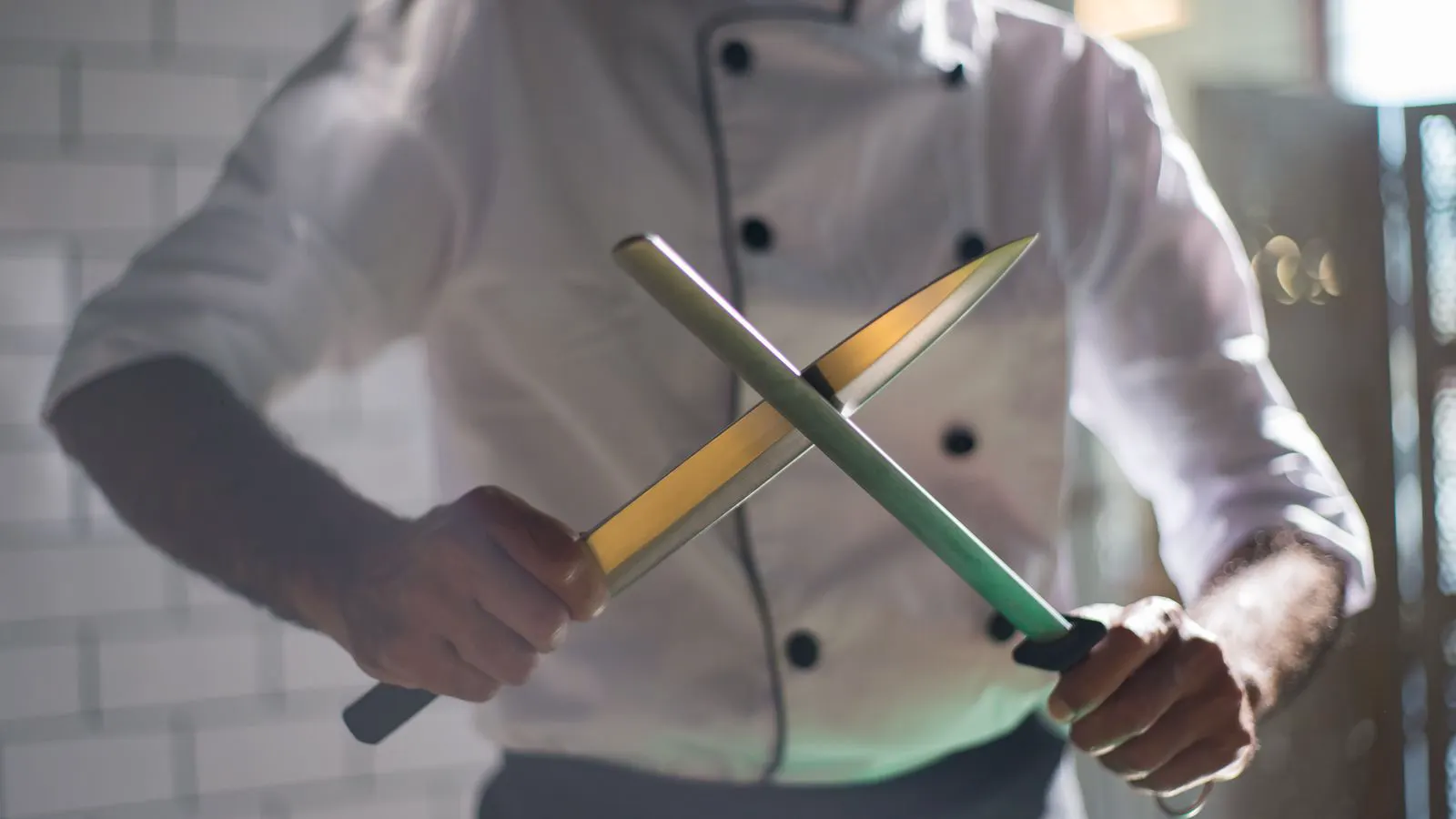
Consider the sharpening setup. If the kitchen has a dedicated sharpener who visits weekly, they can maintain a harder steel. If the kitchen relies on a hone stone and a few sharpening visits a month, the steel must be able to hold an edge between visits. A softer steel will require more frequent honing to maintain a safe edge.
The number of knives per station matters too. If each chef has one primary knife, that knife takes a beating. The steel must be durable. If chefs have multiple knives for different tasks, each knife sees less wear. A harder steel can be used for the primary knife, knowing that a softer steel handles the secondary tasks.
Sourcing and maintenance considerations
When sourcing chef knives, ask the supplier for the steel grade. Do not rely on marketing terms like “professional grade” or “premium.” Ask for the specific alloy designation or a description of the steel’s properties. Reputable suppliers will provide this information.
Check the heat treatment. The same steel can behave differently based on how it is heat-treated. A well-heat-treated steel will have the desired balance of hardness and toughness. Poor heat treatment can make a steel too hard and brittle, or too soft and dull.
Include maintenance in the cost. A cheaper knife made of high carbon steel may seem like a good deal. But if it rusts and requires constant oiling, the labor cost rises. A more expensive stainless steel knife that survives a full shift without rust may cost less in the long run.
Train the staff. The best steel fails if used incorrectly. Staff must know how to handle the specific knife. They must know when to stop cutting and when to call for sharpening. They must know how to store the knife to protect the edge. A steel grade is only as good as the people using it.
A worked example of a sourcing decision
Imagine a mid-sized restaurant that serves 300 covers per night. The menu features a lot of tomato-based dishes, citrus garnishes, and grilled meats. The kitchen has a limited cleaning station and no dedicated knife sharpener on staff. The current knives rust quickly and dull after two hours of use.
The first step is to identify the problem. The rust indicates a lack of corrosion resistance. The dulling indicates a lack of edge retention. The kitchen needs a steel that resists acid and holds an edge longer.
The buyer looks at high alloy stainless steel. This grade offers strong corrosion resistance. It can handle the tomato and citrus without forming rust spots after a quick wash. It holds an edge better than standard carbon steel.
The next step is to match the knife to the task. The primary chef knife will be used for general prep. A high alloy stainless steel with medium-high hardness is suitable. It will hold an edge through the tomato dishes and the citrus garnishes. It will not chip easily when hitting a piece of bone, which is a common risk in a high-volume kitchen.
The maintenance plan changes. Because the steel is stainless, the staff do not need to oil the knife after washing. They only need to dry it quickly. The edge will hold well enough to last through a full service. The sharpener can visit once a month instead of weekly.
This decision saves time and reduces the risk of a rusty blade. It also improves the workflow. The chefs can focus on cooking rather than worrying about their tools. The knife performs reliably, and the kitchen saves money on replacements and labor.
Final thoughts on steel selection
The right chef knife steel is not about finding the hardest or the softest material. It is about finding the balance that fits the kitchen’s reality. High-volume kitchens face constant pressure. The tools must withstand that pressure without breaking or rusting.
Look at the food. Look at the workflow. Look at the cleaning routine. Then choose the steel grade that matches those needs. A high carbon steel is great for a controlled environment. A stainless steel is better for a busy, acidic kitchen. A high alloy steel is the best choice when corrosion is the main enemy.
Do not let brand names dictate the choice. Let the properties of the steel do the talking. Ask the right questions. Check the specifications. Test the knives in your own kitchen before committing to a large order. The best cutlery is the tool that works for you, not the tool that looks best on a display shelf.
Frequently asked questions
What is the best steel for a high-volume kitchen?
There is no single best steel. High alloy stainless steel is often ideal for kitchens with acidic foods and limited cleaning time. The choice depends on the specific menu and workflow.
How do I know if my chef knives are the wrong steel?
Look at the edge and the surface. If the edge dulls very quickly, the steel may be too soft. If the blade rusts after washing, the steel lacks corrosion resistance. If the edge chips on bone, the steel is too brittle.
Can I use high carbon steel in a busy restaurant?
Yes, but only if the kitchen has strict maintenance procedures. Staff must dry the knives immediately after washing and oil them before storage. Without this care, the knives will rust and fail.
How often should professional chef knives be sharpened?
This depends on the steel and the usage. Harder steels may last longer between sharpenings. Softer steels may need honing every few hours. A dedicated sharpener can provide a schedule based on the specific knives.
Does the handle material affect the steel choice?
The handle material does not change the steel properties. However, a heavy handle can balance a heavy steel blade. A light handle may not balance a dense steel. The feel of the knife depends on both the steel and the handle.