How to Estimate Bulk Kitchenware Shipping Costs
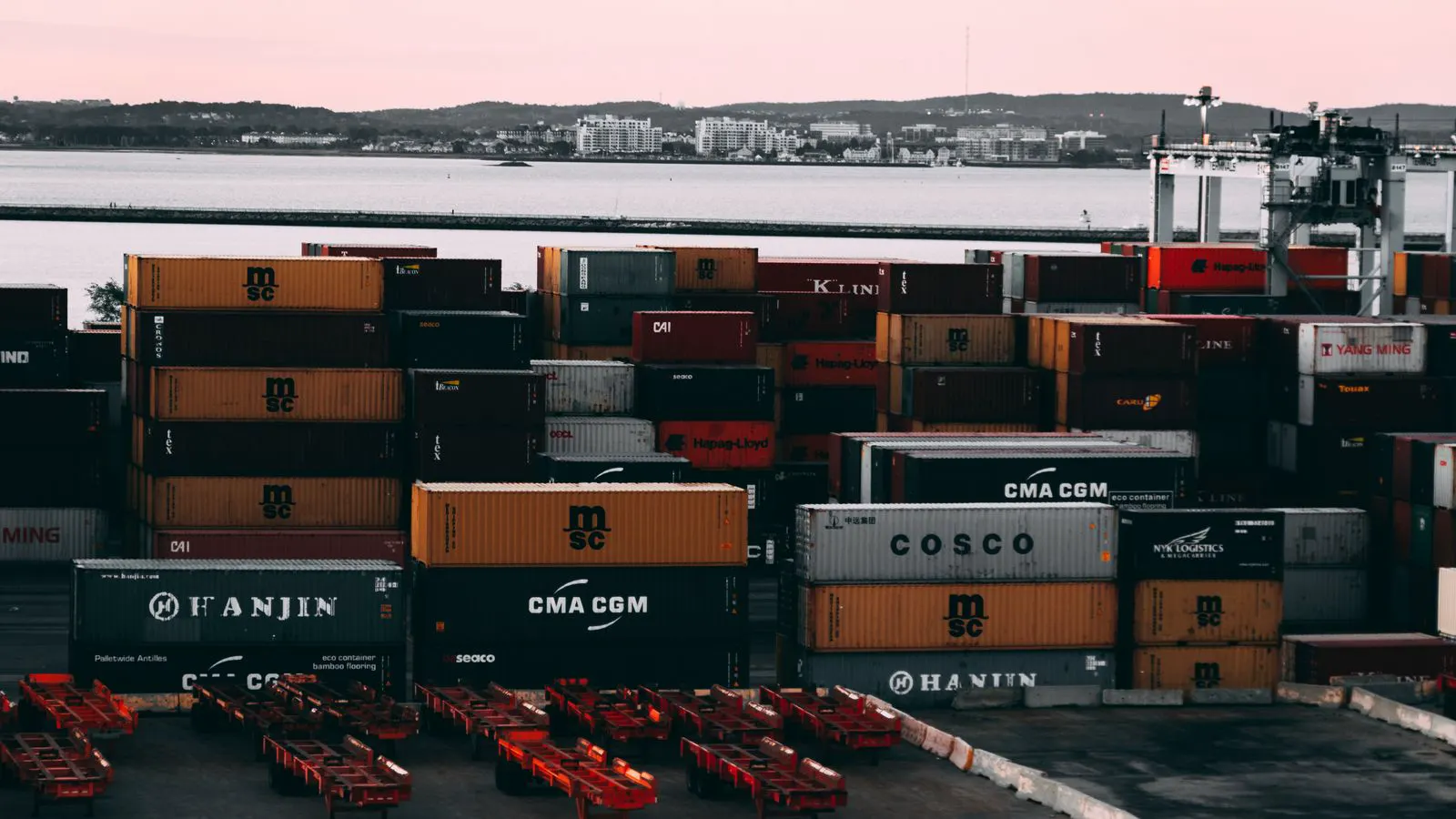
To estimate bulk kitchenware shipping costs accurately, combine unit costs, freight rates, and duty calculations. Use supplier pricing sheets to identify material and labor variables. Apply volume discounts to the final landed cost for better procurement planning.
- Landed cost includes more than the supplier invoice. It covers freight, insurance, duties, and local compliance fees.
- Material type heavily influences both unit price and freight weight. Stainless steel and cast iron require different logistics calculations.
- Volume discounts from suppliers reduce the base cost but do not always reduce total freight if packaging is inefficient.
- Always verify supplier pricing against actual sample weights to avoid overestimating shipping expenses.
Calculating the true cost of imported kitchenware requires more than checking a supplier quote. You must track every line item from the factory gate to your warehouse door. This guide breaks down the calculation process for professional buyers. It focuses on how to integrate supplier pricing data with freight and duty estimates.
What data do you need before starting
Before you open a spreadsheet, gather specific documentation from your supplier. You need the final unit price for the target SKU, the weight of the packed carton, and the volume of the container. Do not rely on sample data alone. Sample units often use different packaging or materials than the production run.
You also need the freight forwarder rate for your origin port. This varies by shipping lane and season. Collect the current rate for a 40-foot container. If you are shipping less, get rates for a 20-foot container or less-than-container load options. Finally, request the HS code for each product. This determines your duty rate.
How to calculate the base unit cost
The base unit cost is the price you pay the manufacturer. For bulk kitchenware, this number changes based on order volume. Suppliers often offer tiered pricing. A 500-piece order costs more per unit than a 5,000-piece order.
Check the supplier pricing sheet carefully. Look for the break points. Some suppliers reduce the price by a fixed amount. Others apply a percentage discount. For example, a stainless steel set might drop from a higher price point to a lower one once you commit to a larger quantity.
Material choice affects this number significantly. Cast iron is heavier and uses more raw material than aluminum. Stainless steel sits between the two in cost per unit. If you are sourcing stainless pots, confirm the gauge of the steel. Thinner gauges cost less but may not meet your durability standards.
How to estimate freight costs
Freight is the most variable part of your calculation. You need the total weight of the shipment and the total volume. Use the packed carton dimensions provided by the supplier. Do not estimate based on the empty product. The carton adds weight and volume.
For container shipping, calculate how many cartons fit in a 40-foot high cube container. A standard container holds roughly 26 cubic meters. If your cartons are 60 by 40 by 40 centimeters, each takes up a specific volume. Divide the container volume by the carton volume to find the maximum load.
Then apply the freight rate. Rates are often quoted per container, not per kilogram. If you ship less than a full container, the per-unit cost increases. This is where supplier pricing meets logistics. A cheaper unit price does not help if you pay full container freight for a half-filled container.
Check for surcharges. Fuel surcharges and terminal handling charges are common. Add these to your base rate. If you are importing into a country with strict compliance rules, budget for inspection fees. These are separate from customs duties.
How to calculate duties and taxes
Customs duties are based on the declared value of the goods. This usually includes the supplier invoice amount plus freight and insurance. This is called the customs value. Do not use the unit price alone.
Find the duty rate for your HS code. For kitchenware, this rate varies by material and country. Stainless steel cookware often has a different rate than ceramic or plastic items. Check your local tariff schedule. Some countries offer lower rates for specific product types.
Calculate the duty by multiplying the customs value by the duty rate. Add any applicable sales taxes or import levies. Some countries have a de minimis threshold. If your shipment value is below this amount, you may not pay duty. For bulk orders, you will almost always exceed this threshold.
How to account for insurance and handling
Marine insurance protects your goods during transit. The premium is a percentage of the declared value. It is usually a small percentage but adds to your total cost. Add this to your landed cost calculation.
Handling costs include loading, unloading, and warehousing at the port. These are charged by the terminal operator. They depend on how long your goods sit in the port. If your paperwork is not ready, you pay storage fees. Plan your documentation in advance to avoid these extra costs.
How to build the landed cost model
Now combine all the numbers. Start with the total supplier invoice. Add the freight, insurance, and handling costs. Then calculate the duty based on the total of these items. Finally, add any local taxes.
Divide the total by the number of units to get the landed cost per unit. This is your true cost. It is higher than the supplier price. It includes all costs to get the product into your inventory.
Use this number for your pricing strategy. If your target retail price is 100, and your landed cost is 30, you have a 30 percent margin before marketing and overhead. If the landed cost is 60, your margin is 40 percent. A small change in supplier pricing or freight can shift your entire profit model.
Common mistakes in landed cost estimation
Buyers often make three errors. First, they use sample weights instead of production weights. Production cartons may be heavier or larger. Second, they ignore seasonal freight spikes. Rates rise during peak shipping seasons. Third, they forget to update duty rates. Tariffs change. Check the current rate before you sign the contract.
Another mistake is assuming volume discounts always reduce landed cost. If you order more, you might reduce the unit price but increase the container count. If the extra units do not fill the container, your per-unit freight cost may rise. Always run the math for different order sizes.
How to verify your calculation
Before you place the order, verify your numbers. Compare your supplier invoice to the weight and volume data. If the supplier gives you a weight of 15 kilograms per carton, confirm this. If they give you a volume of 0.06 cubic meters per carton, check the dimensions.
Run the calculation twice. Use a different tool or formula. If the results match, you are likely correct. If they differ, check your assumptions. Did you use the right duty rate? Did you include insurance? Did you account for handling?
Finally, talk to your freight forwarder. Give them your weight and volume. Ask for a quote. Compare their quote to your estimate. If there is a large gap, find out why. They may know about surcharges you missed. They may know about port restrictions. This final check protects your budget.
When to revisit your model
Review your landed cost model regularly. Supplier pricing changes. Freight rates fluctuate. Duty rates are updated by governments. If you import regularly, build a habit of updating your model. Even a small change in steel prices can shift your unit cost.
If you change suppliers, recalculate everything. A new supplier may offer a lower unit price but use heavier packaging. This increases freight. A new supplier may use lighter materials. This reduces duty. The model must reflect the actual product.
Use this model to negotiate. If your landed cost is too high, talk to your supplier. Ask for better pricing. Ask for lighter packaging. Ask for a larger container quantity. The data gives you use. It shows exactly where the cost is coming from.
| Cost Component | Typical Variable | Impact on Landed Cost |
|---|---|---|
| Unit Price | Material, labor, volume | Directly increases or decreases total cost |
| Freight | Container size, shipping lane, season | Can exceed unit cost for small shipments |
| Duty | HS code, local tariff rate | Adds a percentage based on total value |
| Insurance | Declared value, risk level | Small percentage but necessary for protection |
| Handling | Port fees, storage time | Variable based on logistics efficiency |
| Local Taxes | Country-specific rules | Adds fixed or percentage-based costs |
Frequently asked questions
How do I know if my supplier's unit price is competitive?
Compare the price to the material cost and labor time. Check if the price includes packaging. If the price is lower than similar suppliers, ask about quality controls.
Can I reduce landed cost by changing packaging?
Yes. Lighter and smaller packaging reduces freight weight and volume. It can also lower duty if the packaging is part of the declared value. Check with your supplier before changing packaging.
What is the best container size for kitchenware?
It depends on your volume. A 40-foot container is most cost-effective for large orders. A 20-foot container works for medium orders. Less-than-container load is expensive for small orders.
How often do freight rates change?
Rates change frequently. They rise during peak seasons and fall during slow periods. Check with your forwarder before signing a contract. Do not lock in a rate without knowing the validity period.
Should I buy in bulk to lower cost?
Usually yes, but not always. Bulk orders often get lower unit prices. However, if the extra units do not fill the container, your freight cost per unit may increase. Run the landed cost model before deciding on quantity. ===END===