Stainless Steel vs Aluminum: Heat Conductivity and Safety
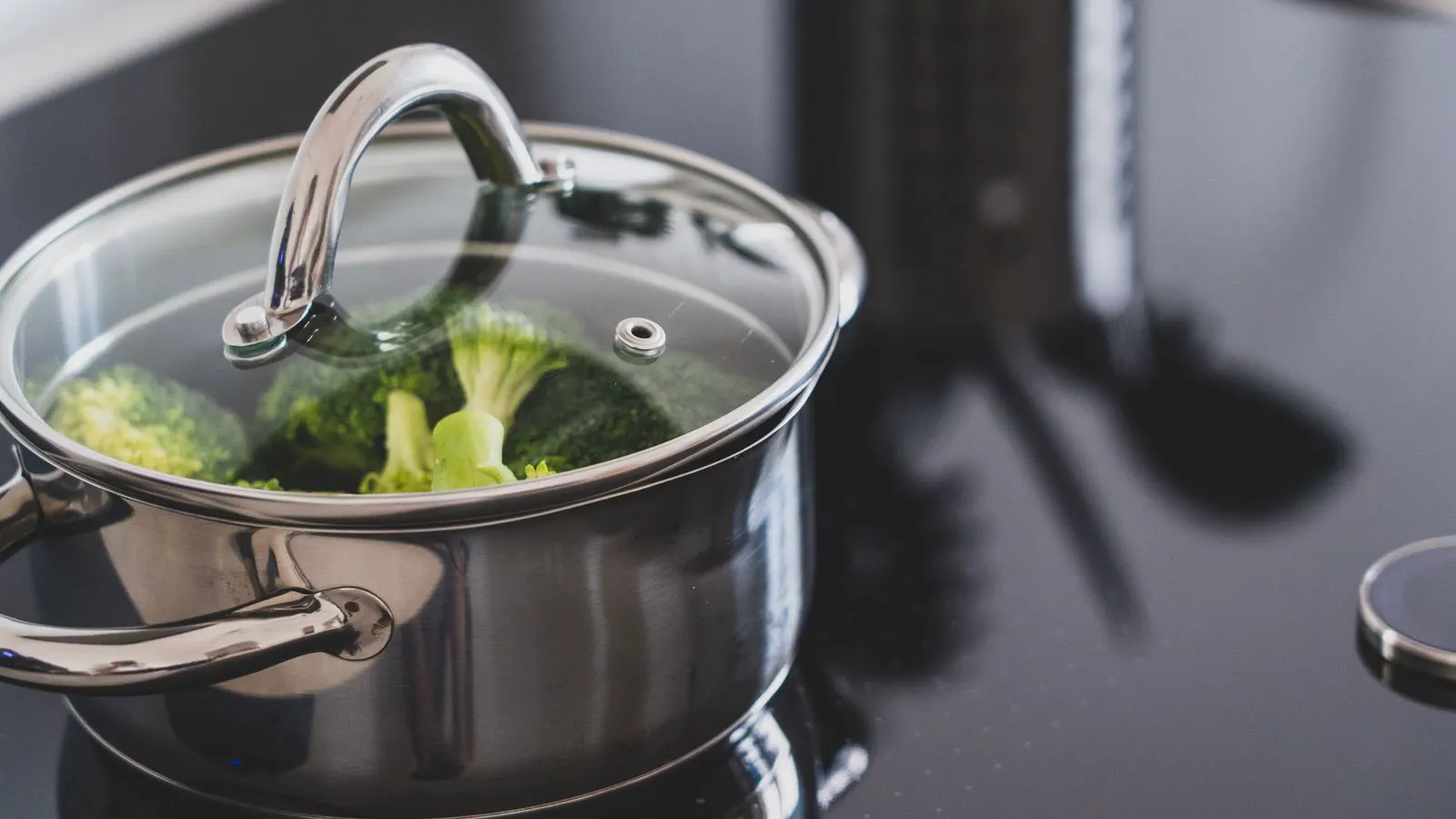
Stainless steel offers durability and corrosion resistance, while aluminum provides superior heat conductivity. Aluminum safety depends on coating and food contact compliance. Engineers must balance thermal response, weight, and long-term material integrity.
- Aluminum conducts heat faster than stainless steel, enabling quicker temperature changes in the pan.
- Stainless steel resists corrosion and maintains a stable surface over long service periods.
- Aluminum safety requires verification of food contact coatings and compliance with local regulations.
- Hybrid designs often combine the best properties of both materials for professional applications.
Thermal Properties of Common Cookware Metals
Heat conductivity determines how quickly a cookware material transfers thermal energy from the heat source to the food. For engineers evaluating cookware material comparison, this property sets the baseline for performance. Aluminum is a high-conductivity metal. It moves heat efficiently across the cooking surface. Stainless steel, by contrast, has lower thermal conductivity. Heat travels more slowly through the steel matrix.
The practical effect appears in how the cookware responds to temperature changes. An aluminum pan warms up rapidly. It also cools down quickly when the heat source is removed or reduced. This rapid response is useful for tasks requiring precise heat control. A stainless steel pan takes longer to reach operating temperature. Once hot, it holds heat more steadily. This stability reduces hot spots. It also allows for more controlled cooking at lower temperatures.
Conductivity is not the only factor. Specific heat capacity matters. This property describes how much energy a material absorbs per degree of temperature rise. Aluminum has a lower specific heat capacity than stainless steel. A thin aluminum sheet heats and cools faster than a thick steel sheet. Engineers must consider thickness, mass, and surface area together. A heavy aluminum pan behaves differently from a thin one. A thick stainless steel base changes the thermal profile of the entire vessel.
Surface Integrity and Longevity
Surface integrity affects both performance and safety. Stainless steel has a passive oxide layer. This layer forms naturally on the surface. It protects the underlying metal from corrosion. The oxide layer is stable under normal cooking conditions. It resists acids, salts, and alkaline foods. This makes stainless steel suitable for long-term service. It also simplifies cleaning. The surface does not pit easily under standard use.
Aluminum reacts with acidic foods. Lemon juice, tomatoes, and wine can degrade the surface. This reaction may discolor the pan or alter the taste of the food. It may also release small amounts of aluminum into the dish. This is why many manufacturers apply a coating to aluminum cookware. Anodized aluminum creates a hard, porous surface. This coating increases resistance to corrosion. It also improves wear resistance. Anodized aluminum is harder than the base metal. It withstands abrasion from utensils and cleaning.
Coated aluminum offers another option. A thin polymer or ceramic layer sits on top of the base metal. This barrier prevents direct contact with the food. The coating must remain intact to function. If it scratches or chips, the underlying aluminum becomes exposed. Once exposed, the safety profile changes. The coating must be verified for food contact. This is where the topic of aluminum safety becomes central to any engineering evaluation.
Safety Considerations for Aluminum Cookware
The question of aluminum safety centers on two areas: exposure and compliance. First, direct contact with uncoated aluminum can transfer small quantities of the metal to food. The amount depends on food acidity, cooking time, and surface condition. Regulatory bodies set limits on allowable migration. These limits vary by country and region. Engineers must check local standards for imported cookware.
Second, the integrity of coatings matters. A well-applied coating isolates the aluminum from the food. It prevents migration. It also improves the surface finish. However, the coating must be chemically stable. It must not leach harmful compounds. It must withstand repeated heating and cleaning. Failure modes include peeling, flaking, or chemical breakdown. These defects compromise the safety of the product.
Certification documents are the primary evidence of compliance. A cookware material comparison should include a review of food contact labeling. Look for declarations that match the intended food use. If the cookware is imported, verify that the certification applies to the specific material and coating used. A generic claim is not enough. Specifics matter. The material grade, the coating type, and the intended use must all align with the certification.
Corrosion and Cleaning Requirements
Corrosion resistance determines maintenance costs and service life. Stainless steel resists corrosion in most kitchen environments. It handles acidic and alkaline foods without rapid degradation. It tolerates harsh detergents and abrasive cleaning. The surface remains stable over years of use. This makes stainless steel a low-maintenance choice for professional kitchens.
Aluminum requires more care. Uncoated aluminum tarnishes and reacts with certain foods. Coated aluminum requires gentler cleaning. Abrasive pads can damage the coating. Harsh chemicals can degrade the polymer or ceramic layer. Once the coating fails, the pan may need replacement. This limits the useful life compared to stainless steel.
Cleaning also affects thermal performance. Residue on a cooking surface changes heat transfer. Carbon buildup acts as an insulator. It reduces the efficiency of the heat source. Stainless steel can be cleaned aggressively without major risk to the surface. Aluminum surfaces are more delicate. The cleaning process must be chosen to preserve both safety and performance.
Weight and Handling
Weight influences how cookware is handled and moved. Aluminum is lighter than stainless steel. A comparable-sized aluminum pan weighs less. This reduces physical strain on staff. It also makes the pan easier to lift and pour. In a commercial kitchen, reducing handling fatigue can improve workflow. It can also reduce the risk of drops and damage.
Stainless steel is heavier. This weight adds stability. The pan sits firmly on the burner. It resists shifting during stirring or tossing. The mass also provides thermal inertia. The pan holds heat longer. This stability is beneficial for certain cooking techniques. However, the weight is a disadvantage for quick movements. It requires more effort to lift and reposition.
For engineers, weight is a design parameter. It affects structural strength. A heavier pan may need a stronger handle attachment. A lighter pan may require different support points. The material choice influences the entire mechanical design. It is not just a performance metric. It is a structural one.
When to Choose Each Material
The choice between stainless steel and aluminum depends on the intended use. Each material has strengths that fit specific operational needs. The table below summarizes the key trade-offs.
| Option | Best for | Limitations |
|---|---|---|
| Stainless Steel | Corrosion resistance, long service life, high heat stability | Slower heat response, higher weight, higher cost |
| Aluminum | Quick heating, rapid temperature changes, lightweight handling | Corrosion risk, coating maintenance, food reaction |
| Anodized Aluminum | Durable coating, better corrosion resistance than bare aluminum | Coating can wear, not as stable as steel over years |
| Coated Aluminum | Non-stick performance, easy cleaning | Coating failure, limited heat tolerance, replacement cost |
| Hybrid Construction | Combines rapid heating with durable outer surface | Complexity, joint integrity, higher manufacturing cost |
Stainless steel is the default choice when durability and corrosion resistance are the primary goals. It handles acidic foods well. It withstands abrasive cleaning. It lasts longer in professional environments. The cost is higher, but the service life is extended. For kitchens that prioritize low maintenance and long-term stability, stainless steel is the practical selection.
Aluminum is the better choice when heat response is critical. It heats faster. It cools faster. It allows for quicker adjustments in temperature. This is useful for tasks like searing, frying, or delicate temperature control. However, the engineer must address the safety profile. If the cookware is uncoated, the food reaction must be managed. If coated, the coating must be verified. The material must be selected based on the specific food types and cooking methods.
Hybrid designs attempt to combine the benefits of both. A thick aluminum core provides heat conductivity. A stainless steel cladding provides durability and corrosion resistance. This approach offers a balanced performance profile. The thermal response is better than bare steel. The surface durability is better than bare aluminum. The engineering challenge is in the bonding process. The materials must expand and contract without delaminating. The joint must withstand thermal cycling and mechanical stress.
Verification and Compliance Checks
Before specifying a material, verify the documentation. For imported cookware, the compliance process is critical. A cookware material comparison is incomplete without a review of the safety profile. Engineers should request the food contact certification. This document lists the materials used and the compliance standards met. It should specify the coating type and the intended use.
Check the material grade. Different grades of stainless steel have different corrosion resistances. Different alloys of aluminum have different mechanical properties. The grade must match the intended service. A low-grade aluminum may not withstand the thermal cycling of a commercial kitchen. A low-grade stainless steel may pit under acidic conditions.
For coatings, verify the thickness and adhesion. A thin coating may fail quickly. A poorly bonded coating may peel. The manufacturer should provide test data. These tests should include thermal cycling, abrasion, and chemical exposure. The data should show the coating remains intact under expected conditions. If the data is missing, treat the product as unverified.
Frequently asked questions
Which metal conducts heat better?
Aluminum has higher thermal conductivity than stainless steel. It transfers heat faster across the cooking surface, allowing for quicker temperature changes.
Is aluminum safe for all foods?
Uncoated aluminum reacts with acidic foods. Coated aluminum is safer for a wider range of foods, but the coating must be verified for food contact compliance.
How do hybrid cookware designs work?
They combine an aluminum core for heat conductivity with a stainless steel cladding for durability. This balances thermal response with long-term surface stability.
What should I check in the food contact certification?
Verify the material grade, coating type, and compliance standards. The document must match the specific cookware design and intended food use.
Why is weight a factor in cookware engineering?
Weight affects handling, structural strength, and thermal inertia. Lighter aluminum reduces handling fatigue, while heavier steel adds stability and heat retention.