Buying Guide for Durable Kitchen Tongs and Serving Tools
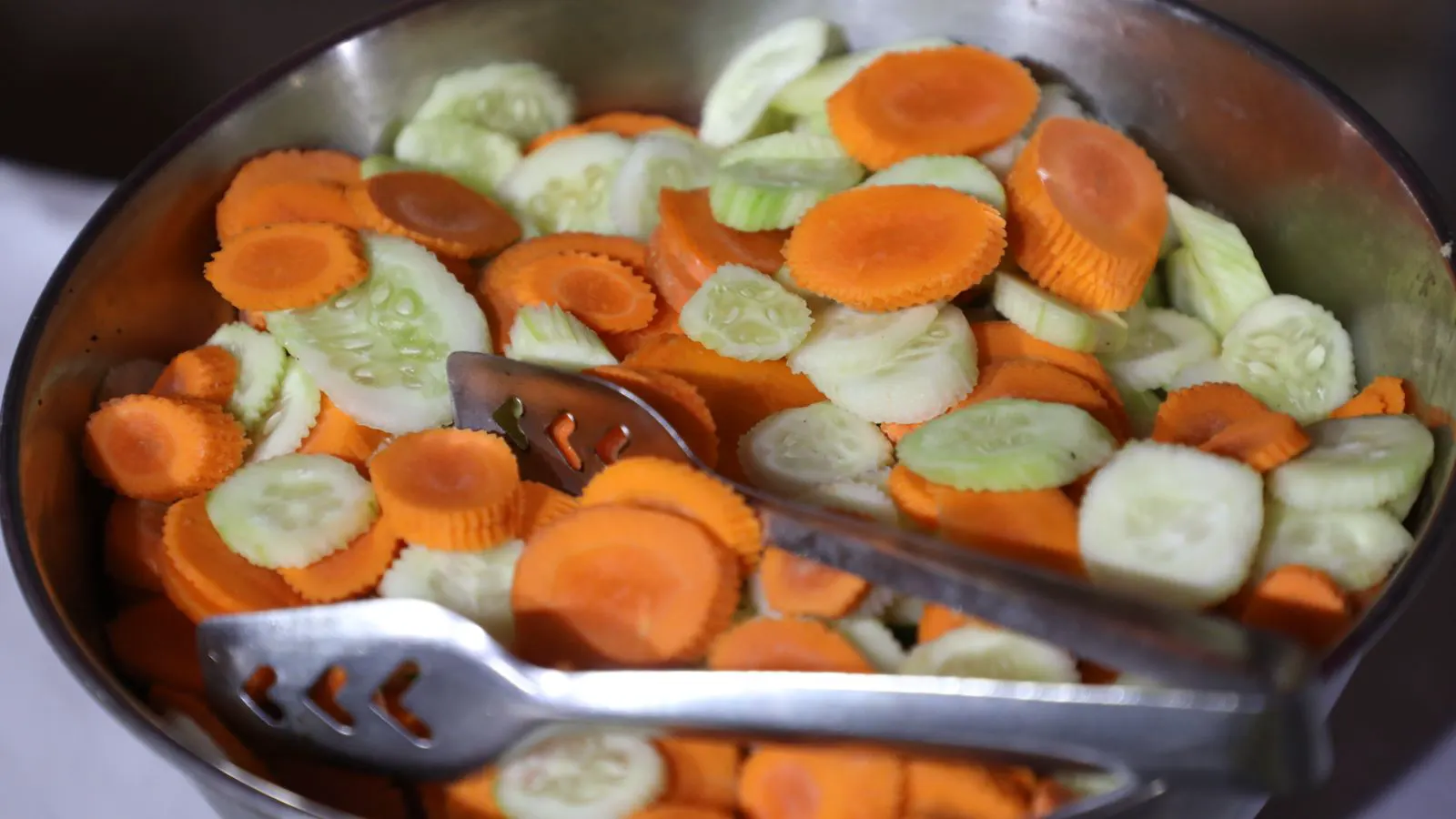
Choose kitchen tongs by jaw geometry, spring tension, and material thickness. Heavy-gauge stainless steel and balanced handles reduce wear. A rigid joint prevents the bending that breaks cheap sets in professional settings.
- Inspect the joint hinge first. A loose or wobbly pivot ruins grip accuracy before the jaws even touch food.
- Match the jaw profile to the task. Flat jaws suit flat surfaces. Serrated or rounded jaws handle round items without slipping.
- Buy in steel, not plastic. Heavy-gauge stainless handles withstand the torque of lifting hot pans and heavy trays.
- Store tools with the joint open to avoid spring fatigue and prevent debris from settling in the gap.
- Replace tongs with a cracked handle or a spring that no longer returns to zero tension.
Start at the joint, not the handle
Most kitchen tongs fail at the pivot point, not the grip. The joint connects the two arms and controls how the spring returns the jaws to closed position. If the hinge is loose, the tongs will drift open under load. If the hinge is stiff, the user must force the handle to open, which leads to fatigue and dropped items.
Check the joint by pressing the handles together and releasing them. The jaws should close with a firm, even snap. There should be no gap that lets you see light through the pivot when the tool is open. A well-made joint uses a pin or a riveted sleeve that does not rotate. The arms should not twist relative to each other when you squeeze the handles. If you can feel play, the tool will eventually bend outward, even if the steel is thick.
Match jaw geometry to the serving task
Jaw shape determines how the tool behaves on different surfaces. Flat jaws with a smooth finish work on flat bread, cheese, and vegetables. They slide easily across surfaces and leave little residue. Serrated jaws grip round items like tomatoes, potatoes, and citrus. The teeth bite into the skin without crushing the flesh.
Round jaws or curved tips are useful for lifting trays and plates. They distribute weight across the rim rather than concentrating force on a single point. For hot pans, look for a jaw profile that fits the handle or the edge of the pan. A long, narrow jaw reaches into deep pots. A wide jaw supports heavy trays.
Many kitchens use a mixed set. A pair with flat jaws handles daily prep. A pair with serrated jaws handles produce. A heavy-duty pair with thick, rounded jaws handles hot cookware. Buying one generic set for every task creates a compromise that weakens the tool over time.
Evaluate spring tension and return force
The spring determines how much energy the user must spend to operate the tool. A weak spring requires more squeeze to open the jaws. A strong spring snaps shut too aggressively, risking a pinch or a dropped item.
The ideal tension allows the user to open and close the tool with a light grip. The jaws should return to closed position without the user having to hold them. If you must keep pressure on the handles to keep the tool from closing, the spring is too weak. If the tool slams shut when you release your hands, the spring is too strong for precision work.
Check the spring mechanism. Some tools use a metal coil spring visible between the handles. Others use a tensioned wire or a torsion spring hidden inside the handle. The wire type matters. A thin wire fatigues quickly. A thicker, coiled spring lasts longer. Look for a spring that is not exposed to direct heat. Heat weakens spring steel over time.
Choose the right handle material and thickness
Handle material affects weight, heat resistance, and durability. Stainless steel handles are the standard for professional use. They resist heat, are easy to sanitize, and do not absorb odors. Aluminum handles are lighter but dent easily. Plastic or silicone handles insulate against heat but can crack at stress points, especially where the handle meets the jaw.
Thickness matters. A handle that is too thin will bend under the torque of lifting a heavy pot. The handle should have enough mass to absorb shock. Look for a handle that tapers slightly toward the jaw but does not become needle-thin. A solid, slightly rounded handle is easier to grip than a flat, sharp-edged one.
If the handle is metal, check the finish. A brushed or polished stainless finish resists corrosion. A painted finish will chip. A plated finish may wear at the edges, exposing the base metal to moisture. In a kitchen with frequent washing, a bare stainless or a high-quality powder-coated finish outperforms a decorative coating.
How to test durability in the store
Bring a small item to the test. A piece of bread, a tomato, or a small tray will show how the tool performs. Squeeze the handles and lift the item. The jaws should not slip. The handles should not twist. The joint should not creak or shift.
Open the tool fully. The handles should not exceed a comfortable angle. If the handles spread too wide, the spring is under tension even when open. This causes fatigue. If the handles do not spread enough, the jaws cannot grip wide items.
Check the tips. The ends of the jaws should be smooth. A rough tip will scratch plates and damage delicate cookware. A sharp tip will puncture food. The tips should be slightly rounded or blunted to distribute force.
When to replace and how to store
Replace kitchen tongs when the joint shows visible play. The handles should not twist when you squeeze them. If the spring no longer returns the jaws to closed position, the tool is no longer safe for lifting. A weak spring can drop hot food or cookware.
Store tongs with the joint open. Closing the jaws for long periods puts constant tension on the spring. This weakens the coil over time. An open joint allows the spring to rest at its natural length.
Keep tongs away from the bottom of a drawer where they can be crushed by heavier items. A dedicated slot or a hanging rail keeps the handles straight and the joint clean. Debris in the joint causes sticking and accelerates wear. A quick wipe with a dry cloth after washing keeps the pivot point smooth.
Buying guide for durable kitchen tongs and serving tools
Use the table below to compare options before purchase. Each criterion matters because it affects how the tool performs under load. A cheap tool may look fine in the display case. It will fail the first time it lifts a heavy pot or grips a slippery tomato.
| Criterion | What to look for | Why it matters |
|---|---|---|
| Joint rigidity | No gap, no wobble, no rotation of arms | A loose joint causes misalignment and eventual bending |
| Jaw profile | Flat, serrated, or rounded to match task | Wrong shape leads to slipping, crushing, or poor grip |
| Spring tension | Firm return, no slam, no weak drift | Controls precision and prevents dropped items |
| Handle material | Heavy-gauge stainless steel | Resists heat, torque, and corrosion better than plastic |
| Handle thickness | Solid, slightly tapered, no thin spots | Prevents bending under the weight of hot cookware |
| Finish | Brushed or polished stainless, no paint | Paint chips and corrodes; bare steel lasts longer |
Decision checklist for professional buyers
Before committing to a purchase, run through this list. It takes less than a minute but saves money on replacements.
- Confirm the joint is rigid. Press the handles together and release. The jaws should snap closed with no lateral play.
- Match the jaw shape to the primary task. If you mostly lift trays, choose rounded tips. If you grip produce, choose serrated jaws.
- Check the handle material and thickness. Heavy-gauge stainless steel handles should feel substantial, not hollow.
- Test the spring tension. Open and close the tool ten times. The return should be smooth and consistent.
- Inspect the finish. Look for rough edges, burrs, or paint that may chip.
- Verify the storage plan. If the drawer is crowded, the tool will bend. Find a spot where the handles can hang or lie flat.
The right kitchen tongs are a simple tool, but the details matter. A well-built set lasts for years of daily use. A poorly built set becomes a hazard in months. Focus on the joint, the spring, and the handle. The jaw shape is the final layer. Get those three things right, and the tool will perform reliably in any kitchen.
Frequently asked questions
How do I know if the spring in my kitchen tongs is failing?
The tool will not return the jaws to closed position on its own. You may need to hold the handles together to keep the tongs from staying open. This is a sign the spring has lost tension.
Are serrated jaws better than flat jaws for all tasks?
No. Serrated jaws grip round items well but can damage smooth surfaces. Flat jaws slide easily on flat items like bread or cheese. Choose based on the primary task.
Can I use kitchen tongs to lift very heavy pots?
Only if the handles are thick enough and the joint is rigid. Thin handles will bend under the torque. Check the weight limit of the tool if it is provided, or test with a similar weight first.
How often should I clean the joint on my serving tools?
After each use. Debris in the pivot point causes sticking and wear. A dry wipe or a quick rinse with warm water is enough. Avoid soaking the joint for long periods.
Do I need different tongs for hot and cold items?
A thick stainless steel handle resists heat well. For very hot cookware, use a heavy-duty pair with a wide jaw to distribute weight. For cold produce, a lighter pair with serrated jaws works well.