Wok Procurement Checklist: Wall Thickness, Handle, and Base Integrity
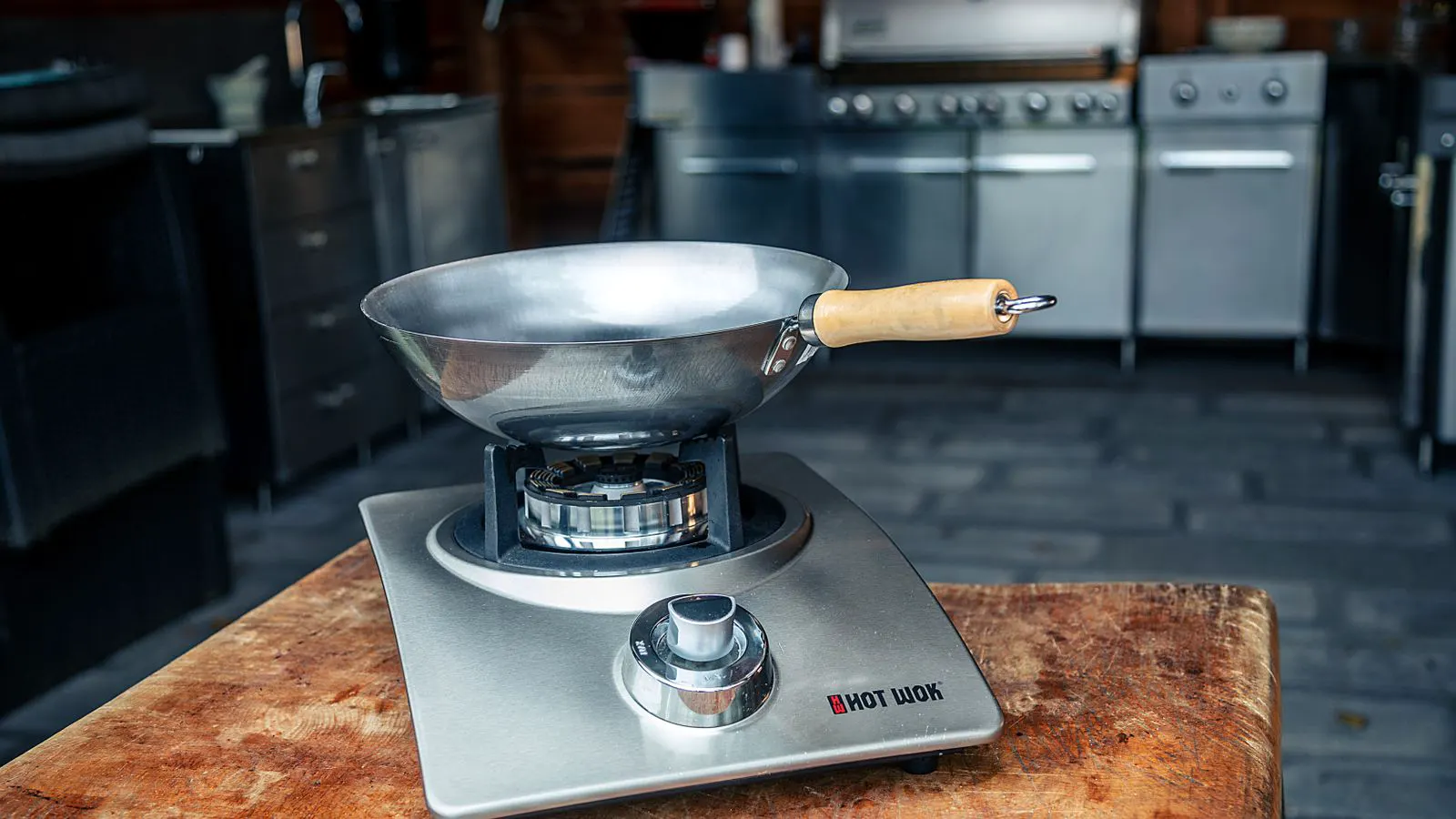
This audit checklist provides standardized physical specifications for buying woks. It covers wall thickness, handle attachment, base integrity, and material checks to ensure equipment survives high-heat service.
- Wall thickness varies by wok size and heat source, so measure multiple points rather than relying on a single specification.
- Handle integrity depends on attachment method and material fatigue, not just visual appearance.
- Base flatness directly impacts heat transfer efficiency and equipment lifespan on induction or flat-top ranges.
- Documentation and material certificates are as important as physical inspection during procurement.
- Red flags include inconsistent wall thickness, loose handles, warped bases, and missing material certifications.
Why Physical Inspection Matters in Wok Procurement
Commercial kitchens demand cookware that withstands repeated high-heat cycles, heavy use, and aggressive cleaning. A wok that fails in the field creates downtime, safety hazards, and replacement costs. The procurement checklist below standardizes physical inspection so buyers can evaluate woks consistently across suppliers and production batches.
This list focuses on measurable attributes: dimensions, materials, attachments, and surface condition. It supports quality assurance for commercial kitchen equipment purchases.
Wall Thickness: Measurement Method and Acceptance Ranges
Wall thickness determines heat retention, warping resistance, and weight. Thicker walls resist deformation under thermal shock but increase weight and preheat time. Thinner walls heat faster but may warp during aggressive use.
Measure thickness at three points: near the handle attachment, at the mid-wall, and at the base rim. Use a digital caliper with 0.1 millimeter resolution. Record each reading.
Acceptance ranges vary by intended heat source. Gas-fired woks often tolerate thinner walls because the flame envelops the vessel. Induction and flat-top installations require thicker walls to handle concentrated heat and mechanical stress.
| Wok Diameter | Gas-Fired Wall Thickness | Induction/Flat-Top Wall Thickness |
|---|---|---|
| 260 mm | 1.5 to 2.5 mm | 2.5 to 4.0 mm |
| 320 mm | 1.8 to 3.0 mm | 3.0 to 4.5 mm |
| 380 mm | 2.0 to 3.5 mm | 3.5 to 5.0 mm |
| 420 mm | 2.5 to 4.0 mm | 4.0 to 5.5 mm |
These ranges reflect common industry practice. Always confirm specifications with the equipment engineer or facility manager.
Red flags:
- Thickness variation greater than 0.5 mm across measurement points.
- Visible thinning at handle attachment points.
- Base rim thinner than the mid-wall.
- No material certificate confirming alloy composition.
Handle Design and Attachment Integrity
Handle design affects grip, thermal performance, and mechanical failure risk. Commercial woks commonly use long handles for safety and reach, or dual handles for large capacities. The attachment method determines how the handle survives repeated stress cycles.
Inspection points:
- Attachment type: riveted, welded, or cast as a single piece.
- Material: match to wok body or use a compatible alloy.
- Surface finish: smooth, non-porous, and resistant to corrosion.
- Thermal insulation: required for gas-fired use where the handle may contact the flame.
Welded handles show weld seams. Check for porosity, cracks, or incomplete fusion. Tap the seam lightly with a small hammer. A hollow sound indicates voids. Riveted handles should show even rivet heads with no visible movement. Cast handles should feel integrated, not bolted on.
Red flags:
- Loose movement when the handle is pushed or twisted.
- Discoloration or pitting at the attachment point.
- Mismatched materials that corrode at different rates.
- No insulation on gas-fired handles.
- Sharp edges or burrs near the grip zone.
Base Integrity and Flatness
Base flatness determines contact area with the heat source. A warped base causes uneven heating, hot spots, and accelerated wear. It also reduces efficiency and can damage range surfaces.
Measure flatness using a straightedge and feeler gauge. Place the straightedge across the base in three orientations: diameter, width, and diagonal. Check for gaps greater than 0.5 mm.
For induction woks, verify magnetic response. Use a steel magnet or induction compatibility tester. The base must be ferrous and sufficiently thick to couple with the induction coil.
Red flags:
- Visible cupping or doming at the center.
- Gaps greater than 0.5 mm when the straightedge rests on the rim.
- Discoloration from previous uneven heating.
- No flatness test certificate for induction-rated woks.
- Base rim thicker than the center, indicating casting defects.
Material Composition and Surface Finish
Material selection affects corrosion resistance, weight, and long-term durability. Stainless steel remains the standard for commercial service. Aluminum and carbon steel offer different trade-offs but require more maintenance.
Check the material certificate for alloy designation. Common stainless designations include 304 and 316. 316 offers better chloride resistance and suits coastal or high-chloride environments.
Surface finish inspection:
- Interior: smooth, free of pits or rough spots.
- Exterior: consistent finish with no grinding marks.
- Welds: polished or passivated to prevent corrosion.
- Coatings: if present, confirm they are food-grade and heat-rated.
Red flags:
- Pitting or rust spots on the interior.
- Uneven finish suggesting inconsistent grinding.
- Missing material certificate.
- Coating peeling or bubbling.
- Inconsistent color at weld zones.
Documentation and Traceability Requirements
Physical inspection alone is insufficient. Procurement requires documentation that links each unit to its production batch and material source. This supports warranty claims, recalls, and future maintenance.
Required documents:
- Material test certificate.
- Dimensional report with wall thickness measurements.
- Heat treatment certificate, if applicable.
- Flatness test report for induction woks.
- Traceability code linking the unit to the production batch.
Store these documents in a digital format. Assign each wok a unique serial number and link the documents to that number in the asset management system.
Red flags:
- Generic or unsigned material certificates.
- Missing batch codes.
- No flatness report for induction-rated equipment.
- Documentation that does not match the physical inspection.
- No retention policy for post-purchase records.
Common Procurement Mistakes to Avoid
Buyers often skip measurement and rely on supplier specifications. A single spec sheet does not confirm what arrives in the truck. Always perform physical inspection on a sample batch before finalizing the order.
Another mistake is ignoring the heat source. A wok specified for gas service may fail on induction due to insufficient wall thickness or non-ferrous base. Confirm compatibility with the installed range before purchase.
Handle design is frequently overlooked. A beautiful wok with a weak handle becomes a liability after a few months of service. Test handle attachment under load during inspection.
Finally, do not assume all stainless steel is equal. Different alloys have different corrosion and fatigue properties. Verify the specific alloy and heat treatment for your service environment.
Final Acceptance Criteria
Use the following numbered checklist as the final acceptance gate. Complete every item before releasing payment for the shipment.
- Verify wall thickness at three points and confirm variation is within 0.5 mm.
- Confirm handle attachment method matches the heat source and service requirements.
- Test base flatness in three orientations and confirm gaps are under 0.5 mm.
- Review material certificate and confirm alloy designation matches the purchase order.
- Check surface finish for pits, rust, or coating defects.
- Confirm all documentation is complete and linked to the batch code.
- Test handle attachment under load and confirm no movement or cracking.
- Verify induction compatibility if the wok will be used on an induction range.
- Record serial numbers and store inspection records in the asset management system.
- Approve the shipment only when all items pass.
This checklist standardizes the procurement process and reduces the risk of receiving defective commercial kitchen equipment. It supports consistent quality assurance across suppliers and production batches.
Frequently asked questions
What wall thickness is appropriate for a commercial wok?
Wall thickness depends on the heat source and wok size. Gas-fired woks typically use thinner walls, while induction and flat-top woks require thicker walls to resist warping and concentrated heat.
How do I check if a wok base is flat?
Use a straightedge and feeler gauge. Place the straightedge across the base in three directions and check for gaps greater than 0.5 mm.
What handle attachment method is best for commercial service?
Riveted and welded handles are common. Cast handles offer strength but may be heavier. The best method depends on the heat source and service intensity.
Do I need a material certificate for all wok purchases?
Yes. A material certificate confirms the alloy composition and supports warranty claims, recalls, and long-term maintenance.
How often should I re-inspect woks in service?
Re-inspect at least quarterly or after any incident. Check wall thickness, handle attachment, and base integrity for signs of wear or deformation.