Cast Iron vs Stainless Steel Cookware: Heat Response and Weight Analysis
Cast iron offers superior heat retention and sear capability but adds significant weight and requires seasoning. Stainless steel responds faster to temperature changes and is lighter, though it lacks nonstick properties without oil. Professional specifiers must balance thermal behavior, maintenance, and physical handling in high-traffic service.
- Cast iron stores heat deeply, maintaining stable temperatures during long cooking cycles.
- Stainless steel responds quickly to burner input, allowing precise temperature adjustments.
- Weight differences affect lift frequency, wrist fatigue, and storage logistics in commercial settings.
- Maintenance requirements differ significantly, with cast iron needing seasoning and stainless steel requiring less upkeep.
How Heat Response Differs Between Materials
Thermal behavior determines how cookware interacts with heat sources and food. Cast iron stores heat deeply. A preheated skillet holds temperature even when cold ingredients hit the surface. The material buffers temperature drops. This stability helps maintain searing surfaces during high-volume service.
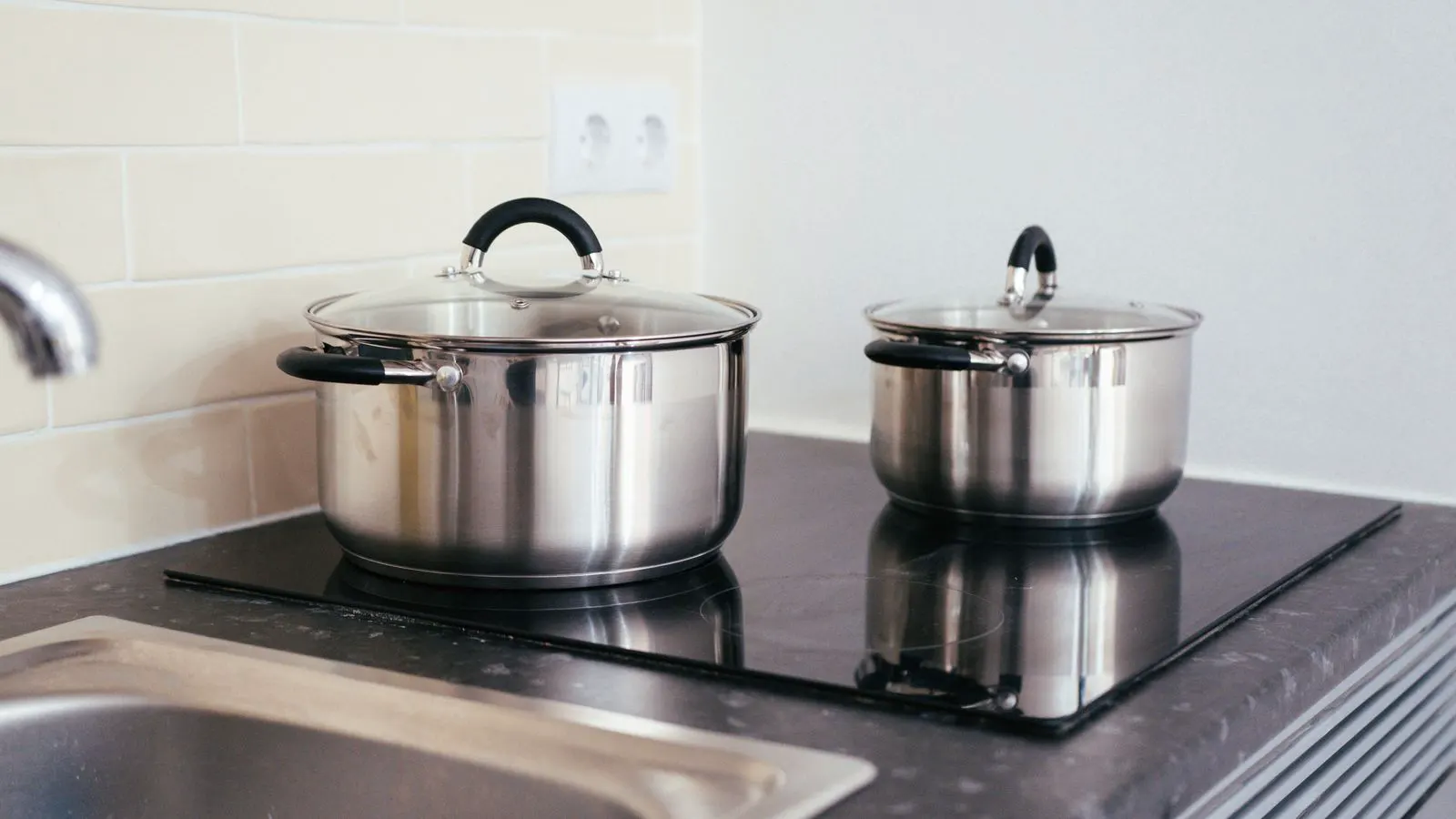
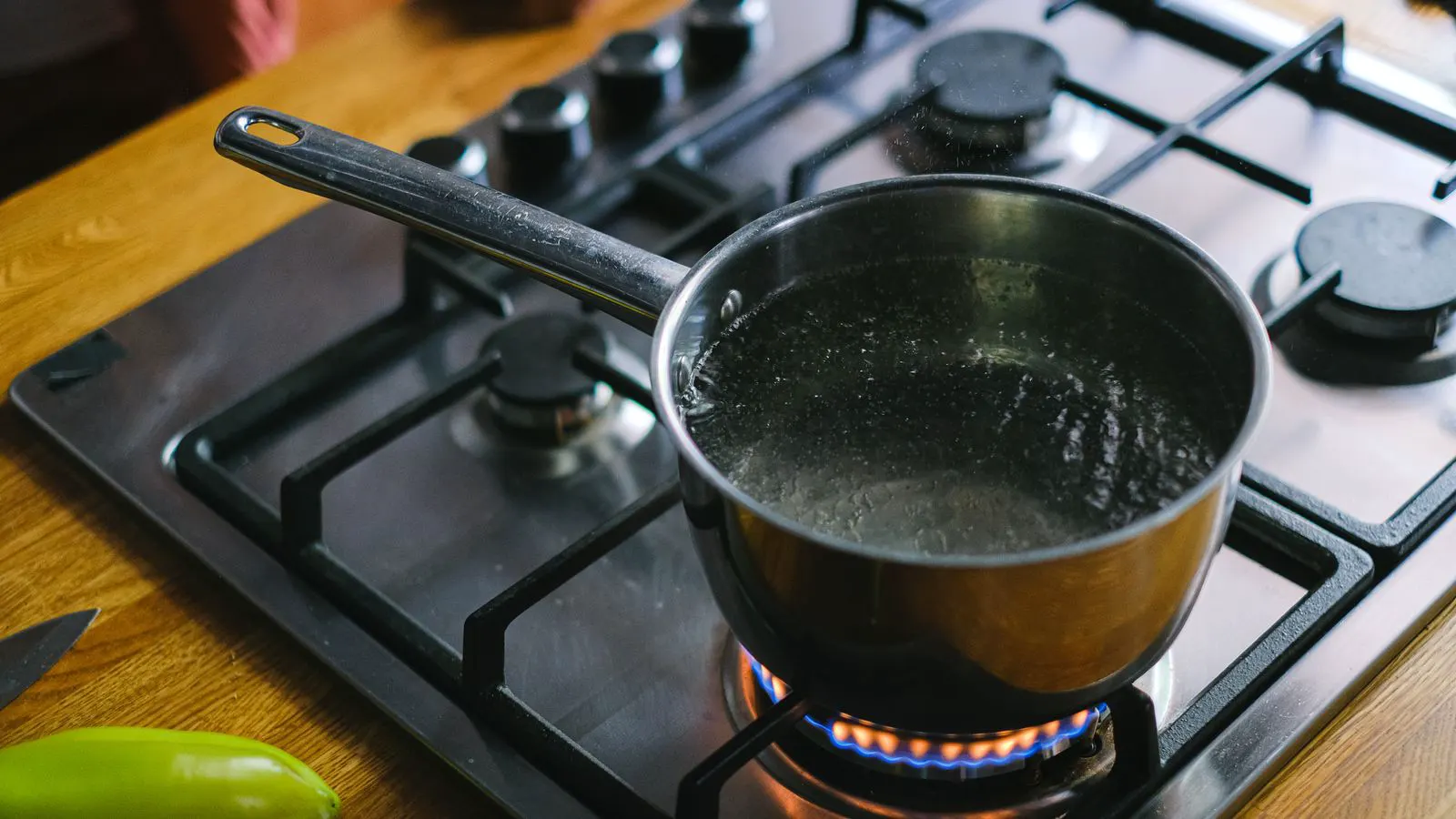
Stainless steel responds faster to burner input. Heat transfers through the base and into the liquid or food more immediately. This allows quick adjustments when a chef needs to change cooking stages. A stainless pot can go from simmer to boil faster than a thick cast iron base.
The difference matters for different cooking tasks. Cast iron excels at high-heat searing and deep frying. The heat stays consistent even as moisture evaporates from the food. Stainless steel suits boiling, simmering, and sauces. The chef can control the temperature more precisely by adjusting the burner.
Thermal mass also affects energy use. Cast iron requires more energy to heat up initially. Once hot, it consumes less energy to maintain temperature. Stainless steel heats quickly but may lose heat faster when the burner is turned down. Kitchens should match material to cooking method and energy costs.
Weight and Physical Handling Characteristics
Weight impacts daily handling and long-term equipment decisions. Cast iron cookware is heavy. A standard 12-inch skillet can weigh several pounds. This weight helps with heat distribution but creates physical strain during repeated lifting.
Stainless steel cookware is lighter. A similar-sized stockpot weighs less than the cast iron equivalent. Chefs handle stainless vessels more frequently in many commercial kitchens. The reduced weight lowers wrist and shoulder fatigue during long service periods.
Storage logistics also change with weight. Cast iron requires dedicated shelf space. Stacking heavy items risks damage. Stainless steel can often be stored more densely. The material handles stacking better without warping or chipping.
Maintenance weight matters too. Cleaning cast iron involves drying thoroughly to prevent rust. The heavy vessel requires two hands for safe handling during washing. Stainless steel tolerates more aggressive cleaning and dries faster. The lighter weight makes it easier to move to the dish pit.
Comparison Table: Cast Iron vs Stainless Steel
| Option | Best for | Limitations |
|---|---|---|
| Cast Iron | High-heat searing, deep frying, temperature stability | Heavy, requires seasoning, slow to heat, rust risk if wet |
| Stainless Steel | Boiling, simmering, sauces, quick temperature control | Less nonstick, requires oil, can stick if under-oiled |
| Cast Iron Skillet | Searing, fajitas, cornbread, one-pan meals | Difficult to clean if seasoned poorly, heavy for frequent lifting |
| Stainless Steel Pot | Stock, soups, sauces, multi-purpose cooking | Can scratch if abused, requires more attention to sticking |
| Hybrid Approach | Kitchens with varied cooking tasks, limited storage | Higher cost, more storage space needed |
When to Choose Cast Iron Cookware
Cast iron suits kitchens that prioritize heat retention and sear quality. Restaurants serving steaks, ribs, or fried items benefit from the stable cooking surface. The material holds heat through multiple batches. A chef can sear one steak, then another, without re-preheating the skillet.
The seasoning layer provides a natural nonstick surface. Properly maintained cast iron develops a polymerized coating over time. This coating improves with use and reduces the need for added oil. The surface also resists corrosion when kept dry.
Cast iron works well for deep frying. The material maintains temperature even as oil absorbs moisture. This consistency prevents oil temperature spikes that can cause uneven frying. Kitchens with high frying volume may find cast iron more durable than thinner materials.
The trade-off is weight and maintenance. Staff need training to handle heavy vessels safely. Seasoning requires regular attention. If the cookware gets wet and is not dried properly, rust can form. This adds to cleaning time and may require re-seasoning.
When to Choose Stainless Steel Cookware
Stainless steel suits kitchens that value versatility and quick temperature control. It handles boiling, simmering, and sauce work well. The material tolerates high heat without degrading. It works with all burner types, including induction, gas, and electric.
The lighter weight benefits frequent handling. Chefs can lift, tilt, and pour stainless pots without significant strain. This matters in high-volume service where vessels move constantly between stations. The material also cleans easily and resists staining.
Stainless steel requires more attention to sticking. Unlike seasoned cast iron, it does not create a natural nonstick surface. Chefs must use adequate oil and proper technique. This is manageable but adds a small learning curve for new staff.
The material handles thermal shock better than some options. Stainless pots can go from cold to hot without cracking. This makes them suitable for varied tasks in a single service period. Kitchens with mixed cooking styles often favor stainless for its flexibility.
Maintenance and Durability Considerations
Long-term durability depends on how the cookware is used and maintained. Cast iron is nearly indestructible if cared for. The metal does not warp easily. The seasoning layer can be rebuilt if it wears. A well-maintained cast iron skillet lasts for decades.
Stainless steel also lasts long, but the finish can degrade with abuse. Scratches and dents are common. These do not affect function but change appearance. The material does not rust under normal conditions, but pitting can occur if salt or acidic foods sit too long.
Cleaning time differs. Cast iron requires drying after washing. Some kitchens wipe the interior with a dry towel to prevent rust. Stainless steel tolerates more water exposure. It can go directly to the dish pit without special drying.
Replacement costs vary. Cast iron vessels are generally less expensive to replace than premium stainless options. However, high-end stainless cookware can last longer than lower-quality cast iron. Kitchens should evaluate total cost of ownership, including maintenance labor and replacement frequency.
Practical Selection Criteria for Professional Kitchens
Professional specifiers should match cookware to specific tasks. A kitchen that primarily sears and fries will benefit more from cast iron. A kitchen that boils, simmers, and makes sauces will favor stainless steel. Many professional kitchens use both, assigning each material to its strongest role.
Consider the cooking volume. High-volume searing stations need cast iron for consistent heat. High-volume soup and sauce lines need stainless for quick temperature control. The number of staff matters too. Lighter cookware reduces the physical burden on workers.
Storage space is another factor. Cast iron requires more shelf space due to its size and weight. Stainless steel can be stored more compactly. Kitchens with limited back-of-house space should plan storage carefully.
Staff training affects success. Cast iron requires knowledge of seasoning and drying. Stainless steel requires understanding of oil usage to prevent sticking. Both materials work well when staff understand their properties. Training reduces mistakes and extends equipment life.
Final Guidance for Equipment Procurement
Procurement decisions should reflect actual kitchen workflows. Review the menu and cooking methods. Identify which tasks dominate service. Allocate cookware based on those priorities. A mixed approach often works best.
Set maintenance standards from day one. Document how to clean, dry, and store each type. Assign responsibility for seasoning and rust prevention. Clear standards prevent common failures and extend equipment life.
Consider total cost of ownership. Factor in purchase price, maintenance labor, and replacement frequency. A more expensive stainless set may cost less over time if it requires less maintenance. A cast iron set may cost less upfront but needs regular attention.
Test the cookware in the actual kitchen environment. Heat response and weight feel different in practice than in spec sheets. Have staff handle the vessels during a trial period. Real-world use reveals how well the equipment fits daily operations.
Frequently asked questions
Which material heats up faster, cast iron or stainless steel?
Stainless steel heats up faster. It responds quickly to burner changes and reaches target temperatures more rapidly than thick cast iron.
Can cast iron be used for boiling and simmering?
Yes, but it is less ideal than stainless steel. Cast iron works for boiling, but the slow heat response and weight make it less convenient for frequent temperature adjustments.
How much heavier is cast iron compared to stainless steel?
Cast iron is significantly heavier. A similar-sized cast iron skillet can weigh multiple pounds more than a stainless steel pot of the same diameter.
Does stainless steel rust easily?
No, stainless steel resists rust under normal conditions. Pitting can occur with prolonged exposure to salt or acidic foods, but proper cleaning prevents this.
Which material is better for induction cooktops?
Both work well on induction cooktops. Cast iron and magnetic stainless steel both transfer heat efficiently to the induction surface.