Commercial Blenders vs Food Processors: Performance
Blenders vs food processors differ by blade geometry and torque. Blenders handle liquids and soft solids via shear, while food processors use high torque and low speed for doughs and fats. Pick based on texture goals, power draw, and batch size.
- Blenders rely on high speed and liquid flow to create a vortex and shear particles into a fine paste.
- Food processors use low speed and high torque with a flat or angled blade to chop, slice, and knead solids.
- Motor power alone does not determine performance. Torque, blade design, and container geometry matter more.
- Choose blenders for smoothies, purées, and liquid emulsions. Choose food processors for doughs, doughs, and solid mixtures.
- Check container material and lid seals for specific food types, such as acidic liquids or greasy fats.
How blade geometry changes the cut
The most visible difference between these two machines is the blade assembly. A blender uses a tall, multi-sided blade mounted low in a pitcher. The blades spin fast, pulling liquid down into a deep vortex. The result is a fine shear action that breaks down soft solids into a smooth liquid or paste. The blade often has a curved blade tip or a central hub that acts as a second cutting edge. This dual action ensures that ingredients are caught on both sides of the blade and forced against the pitcher wall.
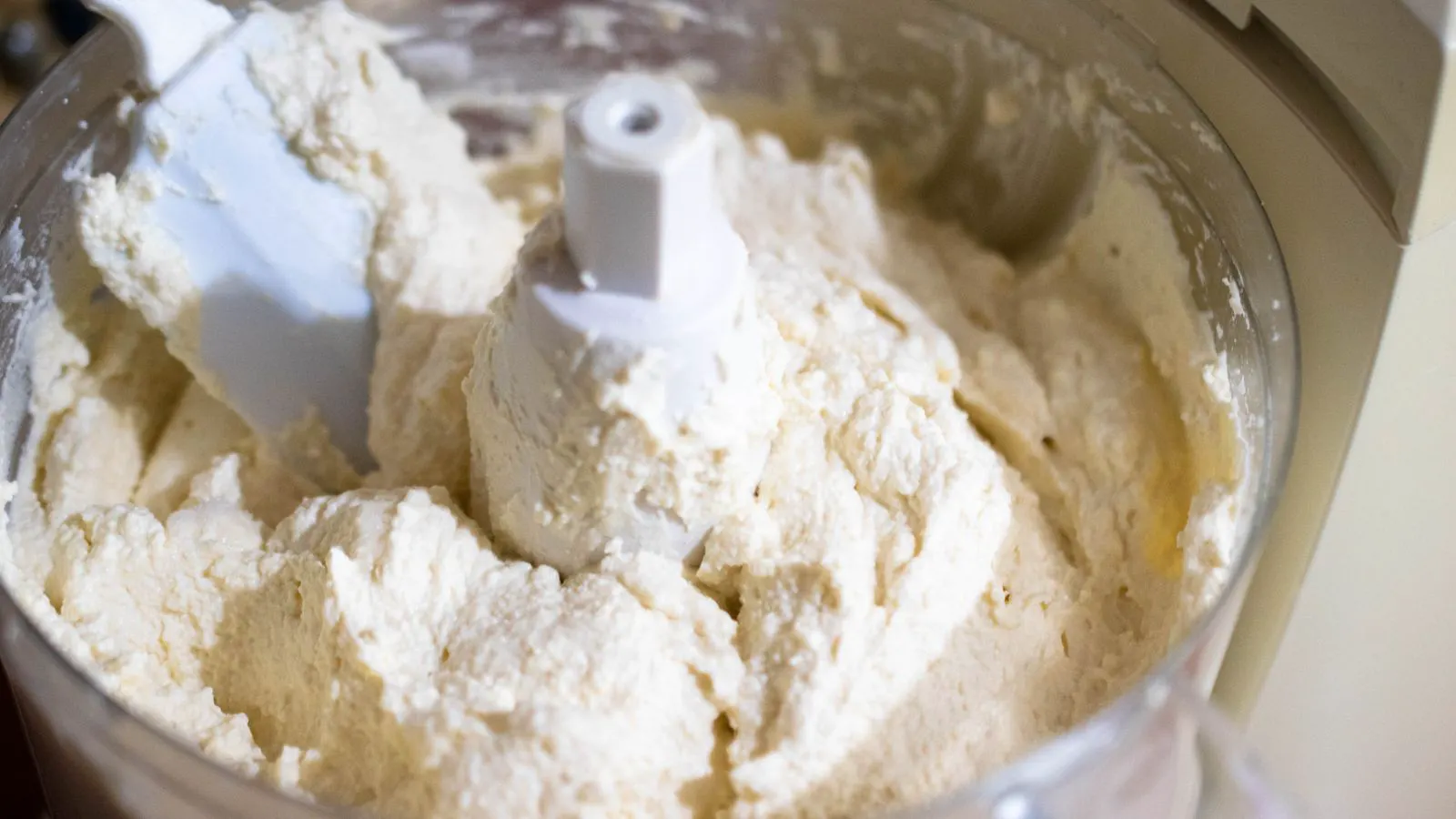
A food processor uses a flat or angled disc blade mounted on a central shaft. The blades move at a lower speed but with greater torque. They push solids against the bottom of the container or through a feed tube. The result is a chop, slice, or mix rather than a puree. The blade is typically a S-shaped or flat disc that sits horizontally. This orientation allows the blade to lift ingredients and drop them, creating a chopping motion rather than a liquid vortex.
This difference controls what the machine can do. A blender cannot reliably knead a stiff bread dough because the liquid shear action does not build gluten properly. The high speed can actually tear the dough apart or heat it up too quickly. A food processor cannot reliably make a thin smoothie because the low speed and solid-focused blade design do not create the same vortex and particle size reduction. The flat blade leaves air pockets and larger solid chunks behind.
Motor power and torque in practice
Motor power is often listed in watts, but power and torque are not the same thing. A blender may run at high speed with low torque. A food processor may run at lower speed with high torque. This distinction matters when deciding how much load the machine can handle without stalling.
For commercial use, a blender with a 1200 to 2000 watt motor can handle dense frozen items and large batches of liquid. The high wattage supports the rapid spin needed to pulverize ice and frozen fruit. A food processor with a lower wattage rating can still handle heavy doughs if the motor is designed for sustained load and the gears are strong. The gear reduction system in a food processor converts high motor speed into low blade speed with increased force.
Check the duty cycle. Continuous use in a commercial kitchen is different from occasional home use. Look for motors that are rated for continuous operation and cooling systems that handle heat over long batches. A motor that heats up and shuts off after ten minutes is not suitable for a busy prep station. Inspect the motor housing for vents that allow air circulation. Blocked vents are a common cause of overheating in high-use environments.
Container shape and material
Blender pitchers are tall and narrow. This shape forces ingredients down into the blades, improving the vortex. The narrow diameter creates a strong rotational force that keeps solids suspended and moving. Food processor bowls are short and wide. This shape gives the flat blade room to move and lets ingredients slide across the surface. The wide base reduces the chance of ingredients getting stuck in corners.
Material matters. Stainless steel containers are common for food processors because they resist dents and handle heavy mixing. They are also easy to sanitize. Blender containers may be plastic or glass. Plastic is lighter and less breakable, but it can absorb odors and show wear over time. Glass is easier to clean but heavier and more fragile. For commercial settings, shatter-resistant plastic or tempered glass is often preferred to reduce cleanup time.
For acidic foods like tomato paste or citrus, check the container material and seals. Acidic liquids can degrade some plastics over time, causing micro-cracks that harbor bacteria. For greasy foods like nut butter or cream cheese, check the lid seals and gaskets for grease buildup. Grease can weaken the seal and cause leaks during high-speed operation.
Batch size and consistency
Batch size affects performance more than power alone. A blender that works well for one liter of smoothie may struggle with five liters of frozen fruit and ice. The motor may overheat, or the blades may not pull the ingredients down into the vortex. The liquid volume determines how well the vortex forms. Too little liquid and the blades grind against the bottom. Too much liquid and the vortex becomes weak.
A food processor with a large bowl can handle a big batch of chopped vegetables or a stiff dough. But if the bowl is too full, the blades cannot move freely. The result is uneven cuts and motor strain. The blade needs clearance to lift and drop ingredients. If the bowl is overfilled, the blade hits the solid mass and stalls.
For consistent results, fill to the manufacturer’s maximum line. For blenders, add liquid first, then solids, then more liquid. This layering helps start the vortex quickly. For food processors, add dry ingredients, then fats or liquids, and run in short pulses. Pulsing prevents over-processing, which can turn chopped vegetables into a paste or dough into a dense ball.
Cleaning and maintenance
Cleaning is a daily task in a commercial kitchen. Blender pitchers and blades are often removable and can be washed by hand or in a dishwasher. Food processor bowls and blades are also removable, but the drive shaft and lid seals need more care. The drive shaft is a small component that is easily damaged if not cleaned properly.
Blender blades are sharp and can be damaged by abrasive cleaners. Use a soft brush to clean the blade edges. Food processor blades are also sharp but have a different edge design. Use a brush for blade edges and check seals for food particles. Food particles trapped in the seals can cause leaks and odor retention.
Commercial blenders often have more moving parts and require more frequent inspection of gaskets, lids, and blade mounts. Food processors have fewer moving parts but can accumulate grease in the drive area. Both need regular cleaning to prevent odor and bacterial growth. Disinfect the container after cleaning to ensure food safety standards are met.
When to pick a commercial blender
Pick a commercial blender when the output is a liquid, smooth puree, or emulsion. Examples include smoothies, milkshakes, soups, dressings, and blended beverages. The machine excels at breaking down fibers and homogenizing ingredients. It is the right tool for any task that requires a smooth, drinkable consistency.
A blender is the right tool when you need fine particle size and a smooth texture. The high speed and vortex action break down soft solids quickly. For frozen items, a strong blender reduces ice crystals and creates a creamy texture. This is essential for frozen beverages and smoothies where texture consistency is critical.
For hot liquids, check the lid design. Some blenders have vented lids to release steam. Others are not rated for hot liquids. Always follow the manufacturer’s instructions for hot blending. Pouring hot liquids into a closed blender can cause a pressure build-up that leads to lid explosion or spillage.
When to pick a food processor
Pick a food processor when the output is a chopped, sliced, or kneaded solid. Examples include chopped vegetables, nut butters, doughs, batters, and meat mixes. The machine excels at texture control and mixing solids. It is the right tool for any task that requires distinct pieces or a cohesive solid mass.
A food processor is the right tool when you need even cuts and controlled mixing. The flat blade and low speed give you more control over texture. For doughs, the torque builds gluten properly without over-blending. The slow, steady motion kneads the dough into a smooth ball without heating it up too much.
For slicing and shredding, some food processors use disc attachments. A blender cannot slice vegetables into even strips. A food processor can, with the right disc. The disc attachment holds the food against the blade and moves it through a slicing or shredding motion. This is useful for preparing salads, stir-fries, and garnishes.
Quick comparison
| Option | Best for | Limitations |
|---|---|---|
| Commercial blender | Smoothies, soups, dressings, emulsions, frozen blends | Poor for stiff doughs, uneven slicing, and solid-only batches |
| Food processor | Chopping, slicing, kneading doughs, nut butters, meat mixes | Poor for thin liquids, smooth purees, and fine emulsions |
| High-speed blender | Frozen items, large liquid batches, hot liquids | Higher power draw, more noise, more cleaning |
| Basic food processor | Light chopping, small batches, home or small commercial use | Limited torque, small bowl, less suited for heavy doughs |
| Heavy-duty food processor | Large batches, stiff doughs, continuous commercial use | Higher cost, larger footprint, more maintenance |
Cost and lead time for small kitchen appliance imports
Cost depends on motor rating, container material, duty cycle, and brand. Commercial blenders and food processors range from basic models for light use to heavy-duty units for continuous service. The price difference is driven by the quality of the motor, the durability of the container, and the complexity of the safety features.
Lead times vary by region and supplier. Importing small kitchen appliances can take longer than buying locally. Check customs documentation, electrical standards, and safety certifications before ordering. Non-compliant units can be rejected at the border or cause safety issues in the kitchen.
For a commercial kitchen, factor in the cost of spare parts. Blade replacements, gaskets, and lids are common wear items. A machine that is cheap to buy but expensive to maintain can cost more over time. Look for suppliers that offer a range of replacement parts for the specific model you are buying.
Safety and service checks
Commercial blenders and food processors both have sharp blades. Lockout procedures should be part of daily cleaning. Never put hands in the container while the blades are accessible. Always unplug the machine before removing the blade or opening the container. This prevents accidental activation and injury.
Check the power cord, plug, and grounding. Commercial kitchens have high humidity and heavy use. A damaged cord or plug is a fire and shock risk. Replace any cord that shows signs of wear, cracking, or exposed wires. Ensure the plug is properly grounded to prevent electrical faults.
For blenders, check the lid seal and vent. A loose lid can spray liquid. For food processors, check the feed tube and locking mechanism. A jam can overheat the motor. If the motor starts to smoke or smell like burnt plastic, stop the machine immediately and allow it to cool down before investigating.
Service intervals should match usage. A blender used eight hours a day needs more frequent inspection than one used two hours a day. Keep a log of cleaning, blade checks, and motor performance. Regular maintenance extends the life of the machine and ensures consistent performance.
Frequently asked questions
Can a food processor make smoothies?
Most food processors cannot make smooth, thin smoothies. They can handle thick, chunky blends if you add enough liquid and use a pulse setting.
Can a blender make dough?
No. Blenders do not have the torque or blade design to knead stiff dough. Use a food processor or a dedicated mixer for doughs.
Which is better for nut butter?
A food processor is usually better for nut butter. The flat blade and low speed work the fats and solids into a paste. A blender can make nut butter too, but it may require more liquid and more time.
Which needs more cleaning?
Blenders often need more cleaning because the tall pitcher and vortex can trap particles. Food processors have more exposed surfaces but fewer deep crevices. Both need regular blade and seal cleaning.
Which is louder?
Blenders are usually louder because they run at higher speed. Food processors run at lower speed and are generally quieter, though heavy-duty models can still be loud.