Troubleshooting Discoloration in Stainless Steel Pots
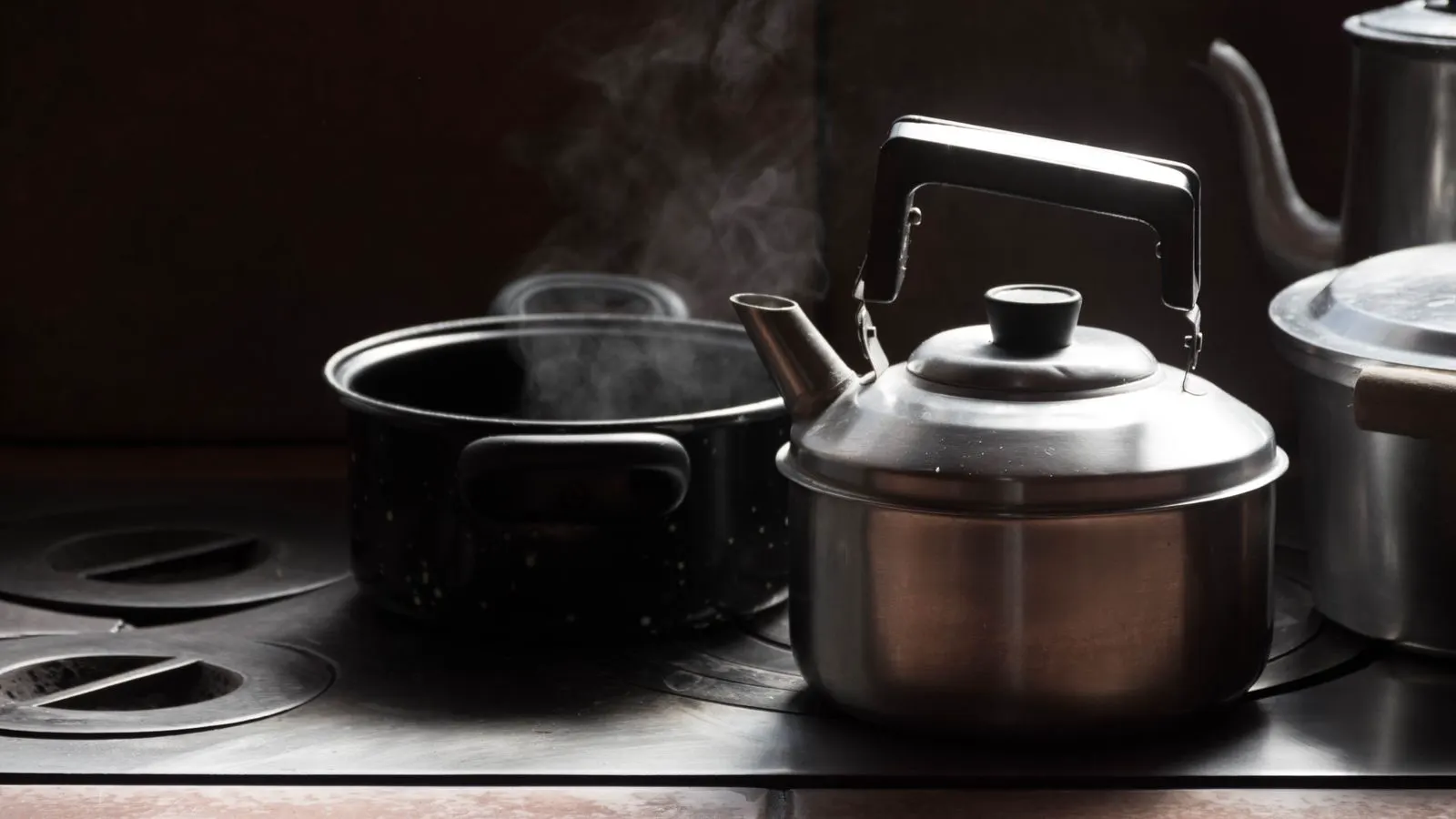
Discoloration in stainless steel pots usually results from heat buildup, mineral deposits, or food residue. This guide explains how to identify the specific cause and apply safe removal techniques, including metal polishing, to restore the cookware without damaging the surface.
- Identify the cause before cleaning to avoid using abrasive methods that scratch the metal.
- Use non-abrasive cleaners and gentle metal polishing techniques to maintain the finish.
- Rinse pots immediately after use to prevent cooking stains and mineral deposits from setting.
- Regular maintenance extends the lifespan of stainless steel cookware and keeps it looking new.
Stainless steel pots often develop discoloration after regular use. The metal itself does not rust, but its surface can change color due to heat, minerals, or food reactions. Proper identification of the cause allows for safe and effective restoration.
Why does stainless steel discoloration happen?
Stainless steel is an alloy containing iron, chromium, and nickel. The chromium forms a protective oxide layer that prevents rust. However, this layer can be affected by extreme heat or chemical reactions.
Heat discoloration occurs when the metal exceeds specific temperature thresholds. The oxide layer reacts with oxygen, creating thin films that appear brown, blue, or purple. This is common in dry pans or pots heated without liquid. When the temperature stays high for a long time, the reaction deepens. The color shifts from pale straw to darker blue or purple bands. These patterns usually mirror the shape of the burner or heating element. In electric ovens, the bands often run parallel to the heating coils. In gas stoves, they may follow the flame pattern. This type of discoloration is purely cosmetic. It does not affect the food safety of the pot, but it can make the surface look aged.
Mineral deposits cause white or gray spots. These form when hard water evaporates and leaves behind calcium and magnesium compounds. The deposits are not rust but are difficult to remove once bonded to the surface. The minerals are often pulled from the tap water supply. In areas with high mineral content, these spots appear more frequently. They usually look like dry, chalky patches. They may feel slightly rough to the touch. If you rub them with a finger, they may flake off slightly. This indicates that the mineral has not fully fused to the metal yet. Once the water is completely dry and the minerals have set, removal becomes more difficult.
Cooking stains appear as dark, stubborn patches. These result from burnt sugars, proteins, or fats that carbonize on the metal. The residue bonds to the oxide layer and requires specific cleaning agents for removal. Proteins burn quickly when the temperature is high. Sugars caramelize and then char. Fats smoke and leave a sticky film that attracts dust. These residues are often found in the center of the cooking surface. They can also appear on the bottom of pots that were not cleaned immediately after boiling pasta or stewing vegetables. The carbonized layer is harder than the metal oxide. It resists water and mild soaps.
How to identify the type of discoloration
Visual inspection is the first step in troubleshooting. Look at the color, texture, and location of the spots.
Heat discoloration appears as broad, even bands of color. The surface feels smooth. These bands often follow the shape of the heat source. The color may range from light straw to deep blue. The bands are usually symmetrical. In a pot heated on a ring burner, you may see a circular halo of color. In a pan heated on a flat electric coil, the pattern may look like concentric rings. The surface does not feel rough or sticky. It retains its original smoothness. You can often rub your finger across the band without feeling any grit.
Mineral deposits look like dry, chalky spots. They are usually white or light gray. The texture feels slightly rough or powdery. These spots are common near the rim or in areas where water evaporates slowly. They often appear in the bottom of the pot where water pooled. They may also be found on the spout of a kettle. If you tilt the pot, the spots may shift or fall off if they are loose. If they are stuck, they require a solvent to dissolve.
Cooking stains are dark brown or black. They may feel sticky or rough. The discoloration is often localized to areas where food burned. The smell of burnt residue may still be present. These stains are usually irregular in shape. They do not follow the heat pattern. They are concentrated where the food touched the metal. If you smell burnt food when you sniff the pot, you are likely dealing with carbonized residue. This type of stain often requires soaking and mechanical scrubbing to remove.
Troubleshooting discoloration in stainless steel pots
The following table outlines common symptoms, likely causes, and recommended actions for removal.
| Symptom | Likely cause | What to do |
|---|---|---|
| Blue or purple bands | Heat discoloration | Apply a non-abrasive stainless steel cleaner. Gently polish with a soft cloth. |
| White or gray spots | Mineral deposits | Soak in a vinegar solution. Scrub with a soft sponge. Rinse thoroughly. |
| Dark brown or black patches | Cooking stains | Soak in a baking soda paste. Use a non-scratch pad. Avoid steel wool. |
| Uneven dulling of surface | Surface oxidation | Apply a light coat of food-safe oil. Buff with a microfiber cloth. |
| Sticky residue | Burnt food | Soak in hot soapy water. Use a wooden spatula to lift residue. Polish gently. |
Safe removal methods for different stains
Removal methods must match the cause. Using an abrasive on heat discoloration can scratch the oxide layer. Using a harsh acid on mineral deposits can etch the metal.
For heat discoloration, use a commercial stainless steel cleaner or a mixture of white vinegar and water. Apply the solution to the affected area. Let it sit for ten to fifteen minutes. Wipe with a soft cloth in the direction of the metal grain. If the color persists, apply a small amount of metal polishing compound. Buff gently with a microfiber cloth. Do not use steel wool, as it creates micro-scratches that trap dirt. The polishing compound works by filling the microscopic scratches that cause the color to appear more prominent. It does not remove the oxide layer itself. Instead, it smooths the surface so light reflects more evenly. This method is safe for most stainless steel grades. It is particularly useful for pots that have been used on high heat without liquid.
For mineral deposits, prepare a solution of equal parts white vinegar and water. Soak the pot for thirty minutes. Use a soft nylon sponge to scrub the spots. The vinegar dissolves the calcium and magnesium. Rinse with clean water and dry immediately. If the spots remain, repeat the process. Avoid using chlorine bleach, as it can damage the chromium layer. The acid in the vinegar reacts with the alkaline minerals. This chemical reaction breaks down the bond between the mineral and the metal. The result is a clean surface that can be dried without residue. If the water used for cooking is very hard, you may need to use a stronger solution. A mixture of two parts vinegar to one part water can be more effective. Always rinse thoroughly to prevent any acid from remaining on the surface.
For cooking stains, create a paste from baking soda and water. Apply the paste to the dark patches. Let it sit for one to two hours. Scrub with a non-abrasive pad. The baking soda acts as a mild abrasive that lifts carbonized residue without scratching the metal. Rinse thoroughly. If the smell persists, boil the pot with water and a slice of lemon. The acid helps neutralize the odor. The baking soda paste works by softening the carbonized layer. It allows the residue to be scrubbed away more easily. The lemon juice in the boiling water helps break down any remaining organic material. It also leaves a fresh smell. This method is gentle and safe for the metal. It is a good option for pots that have been used for roasting or baking.
Prevention tips for long term finish
Prevention is simpler than removal. A few habits can keep stainless steel pots looking new.
Rinse pots immediately after use. Letting food residue dry creates cooking stains that are hard to remove. A quick rinse with warm water dissolves most sugars and fats. This step takes only a few seconds. It prevents the residue from bonding to the metal. If you are cooking something sticky, such as caramel or honey, rinse the pot while it is still warm. The warm water helps dissolve the sticky substance.
Avoid using dry heat on empty pots. Heat discoloration occurs when the metal reaches high temperatures without liquid. Keep at least a small amount of oil or water in the pot when preheating. This protects the oxide layer from reacting with oxygen. If you are heating a pan for cooking, add a thin layer of oil. If you are heating a pot for boiling, add water before turning on the heat. This simple habit can prevent blue and purple bands from forming.
Use non-abrasive utensils. Metal spatulas and steel wool scratch the surface. Wooden, silicone, or nylon utensils protect the finish. Scratches create small pockets where dirt and minerals can accumulate. They also make the surface look dull over time. If you must use a metal utensil, choose one with a rounded edge. This reduces the risk of deep scratches.
Dry pots completely after washing. Moisture left on the surface promotes mineral deposits. Use a clean towel to dry the pot before storing. This step is especially important in areas with hard water. The water evaporates slowly if the pot is not dried. The minerals left behind form spots. A dry pot is less likely to develop white or gray patches.
Store pots with spacing. Stacking pots without separation can cause friction and scratches. Use felt pads or paper towels between stacked items. This prevents the rims and bottoms from rubbing against each other. It also prevents heat discoloration from transferring to other surfaces. If you have a lot of pots, consider using a pot rack or a dedicated shelf. This keeps the pots separated and protects the finish.
When to seek professional restoration
Some discoloration may not respond to home cleaning. Deep etching or severe oxidation can alter the metal’s protective layer. If the discoloration is uneven and persists after multiple attempts, professional metal polishing may be needed.
Professional restoration involves polishing with specialized compounds and buffers. The process can restore the original shine and remove surface damage. However, it is costlier and may not be available for all cookware types.
Before seeking professional help, assess the value of the pot. If the cookware is inexpensive, replacement may be more practical. For high quality or commercial grade pots, professional restoration can extend the lifespan significantly.
Common mistakes to avoid
Using steel wool on stainless steel is a frequent mistake. It creates fine scratches that trap dirt and make future discoloration more visible. Always use soft cloths or non-abrasive pads.
Applying chlorine bleach to remove stains can damage the metal. Bleach is harsh and can etch the chromium layer. Use vinegar or citric acid instead.
Ignoring heat discoloration can make it worse. Over time, the oxide layer thickens and becomes harder to remove. Address heat discoloration early with gentle polishing.
Using abrasive cleaners on coated cookware is not recommended. If the pot has a nonstick or ceramic coating, avoid metal polishing. Use only the cleaning methods recommended by the manufacturer.
Final thoughts
Stainless steel discoloration is a common issue that can be managed with the right approach. Identify the cause before applying a cleaning method. Use non-abrasive tools and safe chemicals to protect the metal. Regular maintenance prevents stains and keeps the cookware functional and attractive.
Frequently asked questions
Can stainless steel discoloration be reversed?
Yes, most types of discoloration can be removed or lightened with the correct cleaning method. Heat discoloration often responds to polishing, while mineral deposits dissolve in acid solutions.
What is the best cleaner for stainless steel discoloration?
A non-abrasive stainless steel cleaner is best for general maintenance. For mineral deposits, white vinegar works well. For cooking stains, a baking soda paste is effective and safe.
Should I use steel wool to remove stains?
No, steel wool can scratch the surface. It creates micro-scratches that trap dirt and make discoloration more noticeable. Use soft cloths or non-abrasive pads instead.
Does heat discoloration affect food safety?
Heat discoloration does not affect food safety. The color change is a surface reaction and does not release harmful substances. However, it can make the pot look worn.
How often should I polish stainless steel pots?
Polish only when discoloration appears. Over-polishing can thin the protective oxide layer. Regular cleaning with mild soap and water is sufficient for most pots.