Plastic Kitchenware: Heat and Chemical Resistance Explained
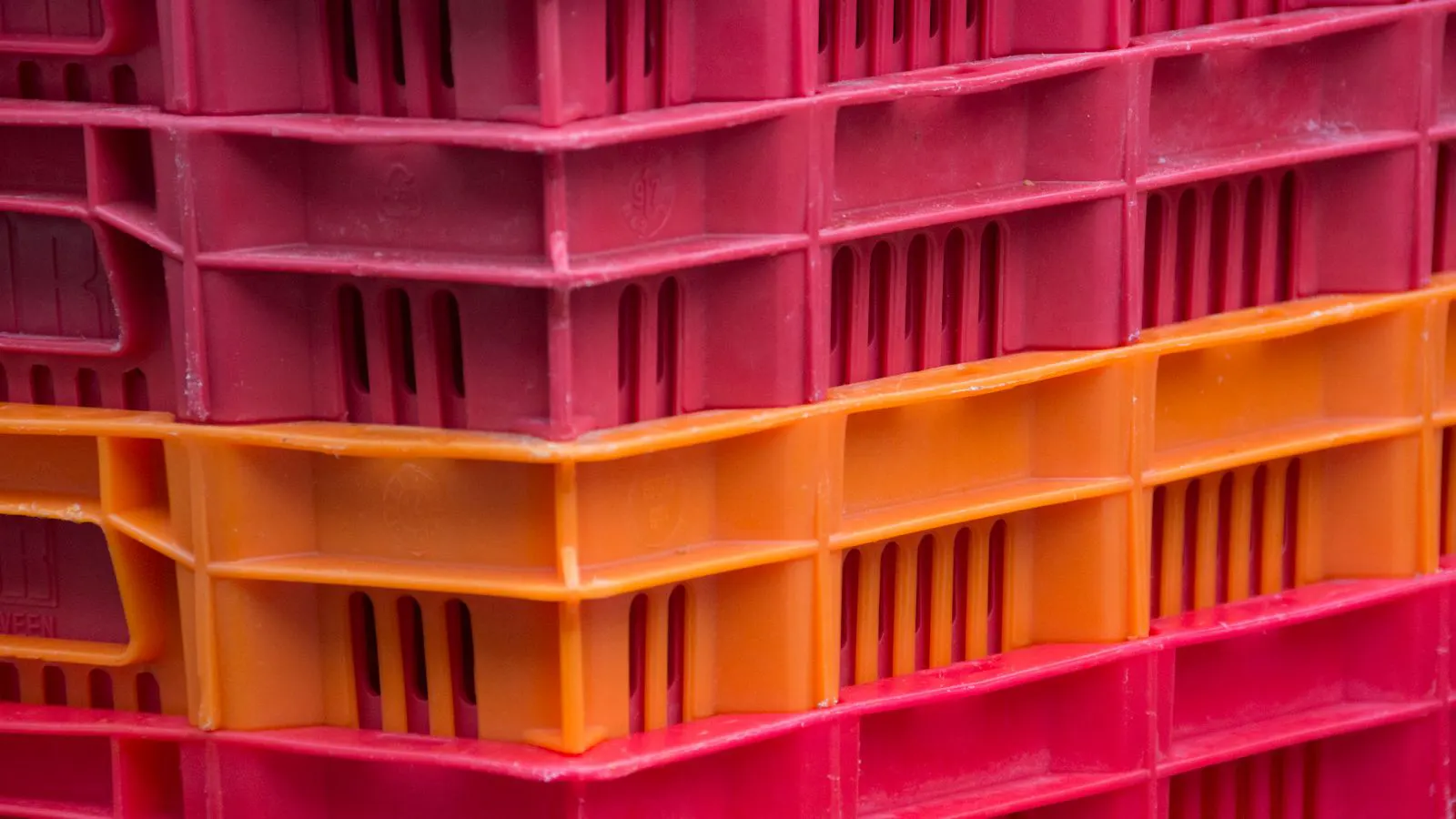
Plastic kitchenware varies widely in heat tolerance and chemical stability. This guide explains how resin types handle temperature and food contact, helping buyers select materials that meet operational and safety requirements for their specific kitchen environments.
- Resin type determines the maximum safe operating temperature for plastic kitchenware.
- Chemical safety depends on the specific monomer composition and manufacturing process.
- Visual inspection is not a reliable method for identifying resin type or safety grade.
- Sourcing decisions should match the specific thermal and chemical exposure of the application.
Why Resin Type Matters More Than Color
The material label on a package is often the only reliable indicator of what a product can actually do. A clear container and an opaque one may look identical to the naked eye, yet they can fail at completely different temperatures or react with acidic foods in distinct ways.
In commercial kitchens and industrial food service, selecting the right plastic kitchenware is an engineering decision. The buyer must match the material to the thermal cycle it will endure. A container that holds hot soup for twenty minutes faces different stress than one that sits in a dishwasher at high heat for an hour.
Resin classification provides the technical basis for these choices. Each family of plastic reacts to heat, chemicals, and mechanical force in specific ways. Understanding these reactions is the first step in preventing failures that compromise food safety or product lifespan.
How Heat Resistance Affects Daily Use
Heat resistance in plastic kitchenware is not a single number. It is a combination of the material’s melting point, its softening temperature, and the rate at which it deforms under load.
Most common kitchen plastics begin to deform when exposed to temperatures well above boiling water. However, the margin of safety shrinks rapidly as the temperature approaches the material’s limit. A container rated for standard hot filling may handle 80 degrees Celsius comfortably. The same container may warp or leak if placed in a dishwashing cycle that runs hotter.
The distinction between continuous use and peak temperature matters. Continuous exposure allows heat to build up in the material’s core. A short burst of high heat may not cause damage if the plastic cools quickly. This is why manufacturers specify maximum service temperatures rather than just maximum boiling points.
For sourcing decisions, this distinction dictates whether a product belongs in a hot-holding environment or a cold-storage environment. The difference between these two applications is often the difference between a durable asset and a frequent replacement cost.
Chemical Safety and Food Contact
Chemical safety refers to how a plastic interacts with the contents it holds. In the context of food contact, this involves two main concerns: migration and reaction.
Migration is the movement of substances from the plastic into the food. This can include residual monomers from the manufacturing process or additives used to modify the plastic’s properties. The rate of migration depends on the temperature of the food and the nature of the chemical being held. Hot, fatty, or acidic foods can increase migration rates compared to cold, dry, or neutral foods.
Reaction refers to the physical or chemical change that happens to the plastic itself when exposed to a specific substance. Some plastics may become brittle when exposed to certain solvents. Others may soften or lose structural integrity when in contact with specific oils or fats.
When evaluating chemical safety, buyers should look for certification marks that indicate compliance with food contact regulations in their region. These marks confirm that the material has been tested for migration and safety under standard conditions. However, the certification applies to the specific material and its intended use. A container certified for cold water storage may not be certified for hot acidic liquids.
Common Resins and Their Trade-offs
The table below outlines the general characteristics of common resins used in kitchenware. These ranges are typical for industrial-grade formulations, but specific products may vary based on manufacturer modifications.
| Resin Type | Typical Use | Heat Tolerance | Chemical Stability |
|---|---|---|---|
| Polypropylene (PP) | Containers, lids, cutlery | Moderate to High | Good for fats and acids |
| High-Density Polyethylene (HDPE) | Bottles, storage tubs | Moderate | Excellent for most liquids |
| Polystyrene (PS) | Single-use cups, trays | Low | Fair for short-term use |
| Polycarbonate (PC) | Cups, containers | High | Good, but requires caution with hot liquids |
| Acrylonitrile Butadiene Styrene (ABS) | Utensil handles | Moderate | Poor for high-heat or acidic contact |
Polypropylene is the workhorse of the commercial kitchen. It withstands steam, hot filling, and dishwasher cycles better than most other thermoplastics. Its flexibility allows it to handle thermal shock without cracking.
HDPE is highly resistant to chemicals and is often used for liquid containers. It has a lower melting point than PP but offers excellent chemical resistance. It is a standard choice for water and non-acidic beverage storage.
Polystyrene is rigid and cheap but has a low heat tolerance. It is generally unsuitable for any application involving heat above ambient temperature for extended periods.
Polycarbonate is extremely hard and heat resistant. It is often used for durable cups and containers. Its high heat tolerance makes it suitable for hot drinks.
ABS is tough and impact resistant but does not handle heat or aggressive chemicals well. It is better suited for handles and non-contact parts than for the main body of a container.
How to Verify Specifications Before Buying
Spec sheets and certification documents are the most reliable sources of information for plastic kitchenware sourcing. The spec sheet should list the resin type, the maximum service temperature, and the chemical resistance profile.
Look for the resin identifier code, usually a number in a triangle on the bottom of the product. This code indicates the polymer family but does not guarantee food safety. A number 5 container (PP) is generally food safe, but the manufacturer must still certify it for the specific intended use.
For chemical safety, request the food contact compliance certificate. This document should reference the specific regulations in your jurisdiction. It will list the chemicals tested and the conditions under which the test was conducted.
A practical example helps clarify this process. A facility is sourcing containers for hot tomato sauce. The buyer checks the spec sheet and finds a PP container rated for 100 degrees Celsius. The chemical safety certificate confirms the material has been tested for contact with acidic foods. The buyer then checks the dishwasher cycle temperature of their facility. If the dishwasher runs at 70 degrees Celsius, the container is within its service range. If the facility uses a 85-degree Celsius cycle, the buyer needs a higher-rated material or a different washing method.
This level of verification prevents two common mistakes: buying a product that is too cheap for the job and buying a product that is over-engineered for the task.
Maintenance and End-of-Life Considerations
The lifespan of plastic kitchenware is affected by how it is maintained. Heat and chemical exposure are not the only factors. Mechanical stress, UV exposure, and cleaning agents also degrade the material over time.
Scratches on the surface of a container can harbor bacteria and accelerate chemical breakdown. Deep scratches can create weak points where the plastic becomes brittle. This is why regular inspection for surface damage is a standard part of kitchen maintenance routines.
Cleaning agents can also affect plastic. Some detergents are harsh enough to degrade certain resins over time. Using a mild, food-safe detergent and avoiding abrasive scrubbers extends the life of the product.
End-of-life considerations are also part of the sourcing decision. Many plastics are recyclable, but the process depends on the type of resin and the local infrastructure. Some plastics are easier to recycle than others. Choosing a material that aligns with your facility’s waste management goals can reduce long-term costs and environmental impact.
Final Thoughts on Material Selection
Selecting the right plastic kitchenware is a matter of matching the material’s properties to the specific demands of the application. There is no single “best” plastic. The right choice depends on the temperature range, the chemical exposure, and the required durability.
By understanding the basics of resin types, heat resistance, and chemical safety, buyers can make informed decisions. The goal is to find a product that performs reliably for its intended life without compromising food safety or incurring unnecessary replacement costs.
The data in the specification sheets and compliance documents provides the facts. The application provides the context. When these two elements are aligned, the result is a robust and safe kitchenware system.
Frequently asked questions
Can I use any plastic container for hot food?
No. Most plastics have a maximum service temperature. Exceeding this limit can cause warping, melting, or the release of chemicals into the food. Always check the manufacturer's rating.
How do I know if a plastic is food safe?
Look for a food contact certification mark or a food contact compliance document. This confirms the material has been tested for migration and safety under standard conditions.
Is polypropylene better than polycarbonate for hot liquids?
Both can handle heat, but they have different profiles. PP is generally more flexible and handles thermal shock well. PC is harder and more impact resistant but can be more brittle if dropped. The best choice depends on the specific use.
Do I need to replace plastic kitchenware if it becomes discolored?
Discoloration is not always a sign of failure, but it can indicate chemical degradation or UV damage. If the plastic also becomes brittle, sticky, or develops cracks, it should be replaced.
Can I use a plastic container in a dishwasher?
Only if the manufacturer states it is dishwasher safe. The dishwasher cycle temperature and detergent can degrade certain plastics over time. Check the spec sheet for dishwasher compatibility.