Silicone Cookware Lead Times and Cost Variance by Batch Size
Silicone cookware lead time depends on mold complexity, material sourcing, and batch size. Larger orders often reduce unit cost but increase production scheduling. Procurement teams should standardize specifications to compare quotes fairly and manage inventory risk.
- Lead time expands with complex molds and smaller batch runs due to setup and material waiting.
- Unit cost typically drops as batch size increases, but total capital outlay rises.
- Clear RFQs with material specs and finish requirements reduce back-and-forth and accelerate quoting.
- Compare quotes by isolating material, labor, tooling, and logistics costs rather than relying on total price alone.
Silicone Cookware Procurement: Production Schedules and Cost Drivers
Procurement teams ordering silicone cookware often face a gap between expected delivery windows and actual production capacity. The variable that creates the most friction is rarely logistics. It is the production schedule itself.
How batch size shapes the production schedule
A standard silicone cookware order moves through several fixed stages: material prep, mold injection, post-cure, and inspection. Each stage has a minimum run time. When you order a small batch, the machine still needs the same setup time as a large batch. The difference is that the setup cost and time get spread across fewer units.
For a procurement manager, this means a 500-piece order and a 5,000-piece order may share the same start date but land in different delivery windows. The larger order often requires a longer continuous run, which ties up the line. The smaller order may run in a slot between larger jobs, adding waiting time but reducing the risk of a long, uninterrupted commitment.
Consider a specific scenario. A supplier has a standard injection molding press available. A large run of 5,000 silicone oven mitts takes three days to complete. The operator sets the press, loads the material, and monitors the cycle for those three days. Now consider a run of 500 custom silicone trivets. The press requires the same three-hour setup. However, the actual injection time is only four hours. The operator spends three hours setting up and only four hours running. The trivet order does not occupy the press for three days. It occupies it for seven hours. The supplier can fit that run between two larger jobs.
This scheduling flexibility changes the delivery date. The large order of oven mitts locks the press for a specific week. If the material arrives late, the whole run shifts. The small order of trivets can slide into a gap. If the gap disappears because another client takes the slot, the trivet order moves to the next available week. The small order has more scheduling variability but less impact on the supplier’s main production flow.
Mold complexity changes this dynamic. A simple silicone trivet runs on a basic injection mold. A set of silicone baking mats with textured edges requires a more detailed mold and longer post-cure time. The batch size affects the machine time, but the mold design affects the total cycle time per unit.
Take the textured baking mat as an example. The texture requires finer detail in the mold cavity. This detail slows down the ejection of the part. The mold also needs to be cleaned more carefully between cycles to prevent residue buildup. The post-cure oven must run for a longer period to ensure the silicone reaches its final hardness. A simple, flat silicone spatula head does not have these issues. It ejects quickly, requires less curing, and moves to inspection faster.
When writing a production schedule, you must account for these differences. A 1,000-unit order of textured mats may take the same total calendar time as a 1,000-unit order of flat spatula heads, even though the mats use more material. The mats are on the line longer. They block the inspection bench longer. They tie up the curing ovens longer.
What drives the cost structure
Silicone cookware cost is built from four main layers: raw material, labor and machine time, tooling, and post-processing. Raw material cost varies with the silicone compound. Food-grade silicone for cookware must meet certain safety standards, and the price of the compound moves with feedstock markets.
The base material is polydimethylsiloxane, or PDMS. The specific grade matters for cost. A standard food-grade compound is suitable for most cookware. A higher-performance compound might be needed for items that face extreme temperatures or harsh cleaning agents. The cost difference between these grades can be significant. The supplier will often quote a base price for standard silicone and an add-on for premium compounds.
Labor and machine time are directly tied to batch size. A larger batch reduces the per-unit labor cost because the operator and machine are occupied for a longer, more efficient run. Tooling costs are usually a one-time expense for new molds. If you are ordering an existing design, tooling cost may be minimal or amortized. If you are ordering a new design, the mold cost can outweigh the material cost for small batches.
Tooling is a common source of confusion in early procurement. A mold for a simple silicone cup might cost a few thousand dollars. A mold for a complex silicone cooking set with multiple interlocking pieces can cost significantly more. The mold is a steel die. It takes weeks to machine and polish. The cost covers the steel, the machining time, the finishing, and the testing of the first parts.
If you order a new design, you usually pay this tooling cost upfront. In return, you own the mold. The supplier stores it for you. Future orders of the same design do not incur the full tooling cost, only a small maintenance fee or a pro-rated share of the original cost. If you order an existing design from a catalog, the tooling cost is often buried in the unit price. You pay less upfront, but you do not own the tool. The supplier can charge you more in the future if they decide to retire that tool.
Post-processing includes cutting, washing, and packaging. Custom packaging adds cost and lead time. A plain box is cheap and fast. A branded box with insert cards requires pre-production time and a separate supplier.
Washing is a critical step. Freshly molded silicone carries mold release agents and dust. These must be removed before the product is ready for sale. A standard wash uses water and a mild detergent. A high-end wash might involve multiple cycles and a UV inspection lamp to check for surface defects. The cost of washing is small per unit, but it adds to the total lead time.
Packaging is where lead time often stretches. A plain poly bag is ready immediately. A custom box with your logo printed on it requires a separate printer. You must send artwork to the printer. The printer needs time to print, cut, and fold the boxes. You must also source the insert cards, which are often printed on separate stock. This creates a parallel supply chain that must finish before the final assembly step.
How to write a clear RFQ
A vague RFQ forces the supplier to guess. When you ask for “silicone cookware” without details, the supplier will send a quote for a standard product. That quote will not match your actual requirements.
A clear RFQ should specify:
- The exact product type, such as a silicone spatula set, a baking mat, or a food storage container.
- Material grade and color, if specific.
- Dimensions and any special features, like a non-stick coating or a heat-resistant edge.
- Batch size, broken down by SKU if there are multiple items.
- Packaging requirements and shipping destination.
- Required certifications, such as FDA or LFGB compliance.
- Target lead time and acceptable delivery date range.
Including the target lead time in the RFQ is a small change that has a large effect. It tells the supplier whether you are planning a quick restock or a long-term production run. It also helps them assign the order to the right production slot.
Consider the difference between a restock and a new product launch. A restock of a proven product can often be scheduled in the next available slot. A new product launch requires mold creation or modification, material sourcing for new colors, and packaging setup. These tasks take time. They cannot be squeezed into a short window.
When specifying color, be precise. “Black” is not specific enough. There are many shades of black. If you need a specific Pantone match, provide the code. If you do not have a code, provide a physical sample. Color matching in silicone is difficult because the pigment interacts with the base polymer. A sample is the only way to ensure the production run matches your expectation.
When specifying dimensions, include tolerances. A silicone spatula head might be 20 cm long. If the tolerance is ±2 mm, the final product can be 18 cm to 22 cm long. If the tolerance is ±0.5 mm, the product must be 19.5 cm to 20.5 cm long. Tighter tolerances require better molds and more inspection. They cost more and take longer.
How to compare quotes fairly
Suppliers often quote a single total price. This makes it hard to see where the money is going. To compare quotes fairly, ask each supplier to break the cost into material, labor, tooling, and logistics.
A quote that looks cheap but includes no tooling cost may hide a large upfront payment. A quote that includes tooling may look expensive but gives you ownership of the mold, which reduces future costs. A quote that includes packaging may be higher, but it saves you the cost of your own packaging supplier.
Look at the unit price at different batch sizes. Ask for a quote for 500 units, 1,000 units, and 5,000 units. This reveals the break-even point. One supplier might have a low unit price at 500 units but a high tooling cost. Another might have a higher unit price at 500 units but a low tooling cost. The total cost of ownership changes depending on your volume.
When comparing lead times, look at the production start date, not just the delivery date. Two suppliers may promise delivery in 45 days. One may start production immediately. The other may start production in three weeks due to material shortages or scheduling. The second supplier has a 45-day total but only 22 days of actual production.
The production start date is the most important date in the quote. It is the day the material goes into the press. If the supplier cannot guarantee a start date, the delivery date is unreliable. Ask for the start date in writing. If they provide a range, use the later date in your planning.
Managing lead time risk
Silicone cookware lead time is not a single number. It is a range. Material availability, factory capacity, and quality checks all add variability. A standard production window might be 25 to 35 days for a simple item. A complex item with a new mold might take 45 to 60 days.
To manage this risk, do not order for the exact date you need. Build in a buffer. For a small batch, a two-week buffer is reasonable. For a large batch, a four-week buffer is safer. The buffer protects you from delays in material delivery or a failed quality check.
Quality checks are a major source of delay. Every batch must pass a final inspection. If a batch fails, it must be reworked or scrapped. Reworking a silicone product is difficult. You cannot simply heat it to fix a small defect. You may have to cut it down and re-mold it, which requires new material and machine time. Scrapping a batch means starting over.
To reduce the risk of failed batches, request a pre-production sample. This is a small run of 5 to 10 units made before the full production run. You inspect this sample for color, size, and surface finish. If the sample passes, the full run is more likely to pass. If the sample fails, you fix the mold or the process before spending money on a large run.
Another approach is to split the order. Place a small initial order to test the supplier’s quality and production speed. Once you have confirmed the output, place the larger order. This reduces the risk of a large, delayed shipment. It also gives you a real sample to check against your specifications before committing to a big run.
A table of cost and lead time drivers
The table below lists the main factors that affect price and delivery time. Use it as a checklist when reviewing an RFQ or a supplier quote.
| Cost Driver | Effect on Cost | Effect on Lead Time |
|---|---|---|
| Batch size | Lower unit cost at higher volumes | Longer continuous run for large batches |
| Mold complexity | Higher tooling cost for new designs | Longer setup and cycle time per unit |
| Material grade | Higher cost for premium food-grade silicone | May require longer sourcing or curing |
| Custom packaging | Adds material and labor cost | Adds pre-production and assembly time |
| Certification | May require additional testing cost | Adds time for lab testing and documentation |
| Shipping method | Faster shipping costs more | Air freight reduces lead time significantly |
Final considerations for procurement teams
When selecting a supplier for silicone cookware, focus on the fit between their production model and your batch size. A supplier that specializes in large, single-item runs may not be the best fit for a multi-SKU, small-batch order. A supplier that handles small, custom runs may have longer lead times and higher unit costs.
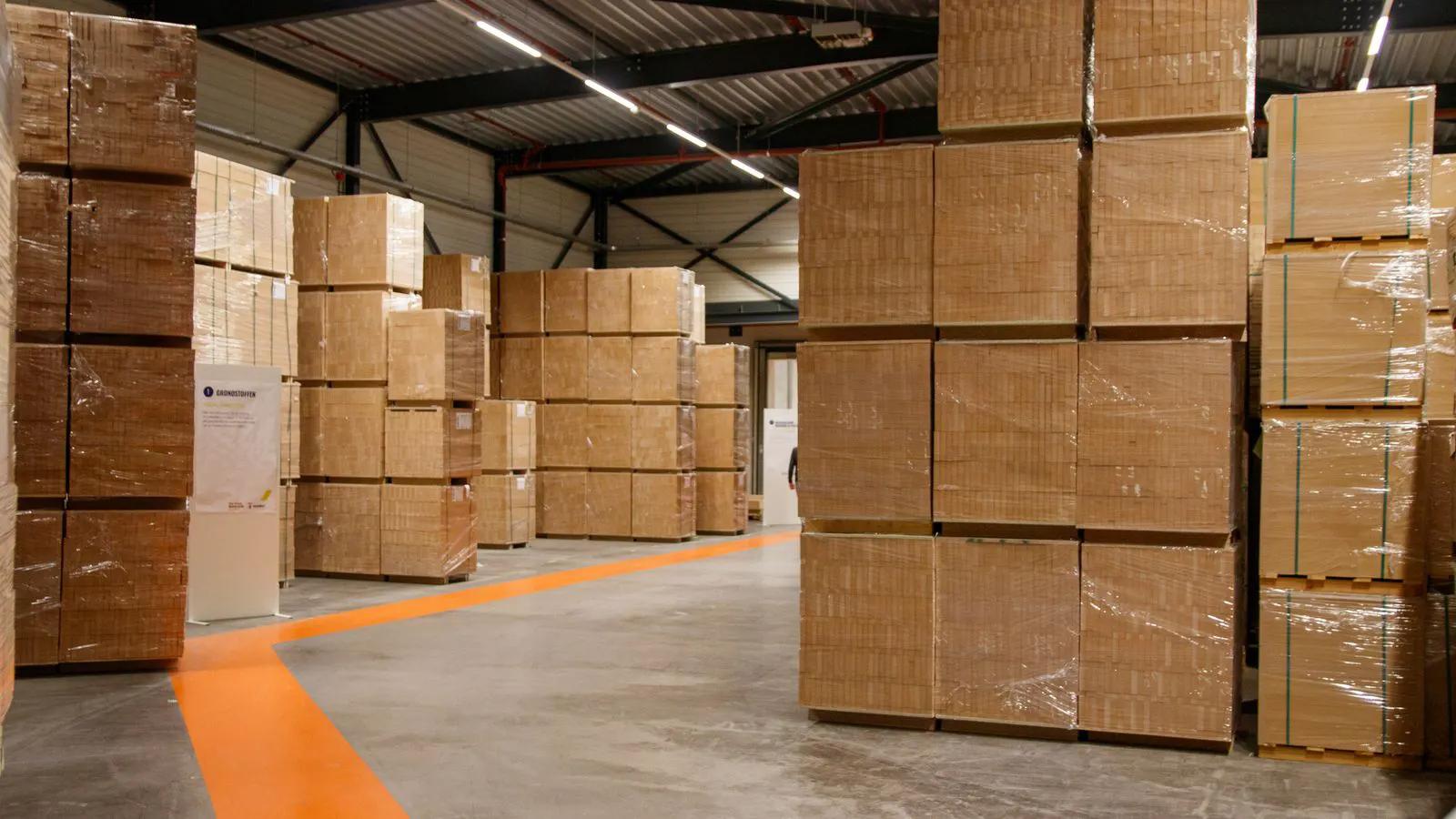
Look at the supplier’s floor space. If their factory is filled with large presses and long curing ovens, they are built for volume. They will not prioritize a small order. If their factory has smaller presses and flexible lines, they are built for variety. They will handle small orders more efficiently.
The right supplier is the one that can meet your target lead time with the quality you need. Ask for a sample before you commit. Check the material feel, the color accuracy, and the edge finish. If the sample does not match your requirements, the production run will not either.
Silicone cookware lead time and cost are manageable when you understand the production process. Clear specifications, a realistic buffer, and a supplier that matches your order size will keep your inventory flowing and your costs predictable.
Frequently asked questions
Can I reduce the silicone cookware lead time by paying more?
Yes, in some cases. Paying for air freight or a premium production slot can shorten the delivery window. This usually applies to the logistics stage, not the manufacturing stage.
What is the typical difference in unit cost between a small and large batch?
The difference varies by product complexity and material cost. A large batch usually reduces the per-unit labor and material cost. The exact reduction depends on the supplier's machine efficiency and the order size.
Do I need to pay for tooling if I am ordering a standard product?
Not always. If the product uses an existing mold, tooling cost may be zero or minimal. If the product has custom dimensions or features, you will likely need to pay for a new mold.
How do I know if a supplier's lead time is realistic?
Ask for a production schedule, not just a delivery date. A realistic schedule shows the start date, the production duration, and the shipping date. If the production duration is too short for the batch size, the lead time may be unrealistic.
Should I order a sample before placing a large batch?
Yes. A sample lets you check the material quality, dimensions, and finish before committing to a large run. It also gives you a reference for quality control during production.