Explainer: How Laser Welding Affects Cookware Base Integrity
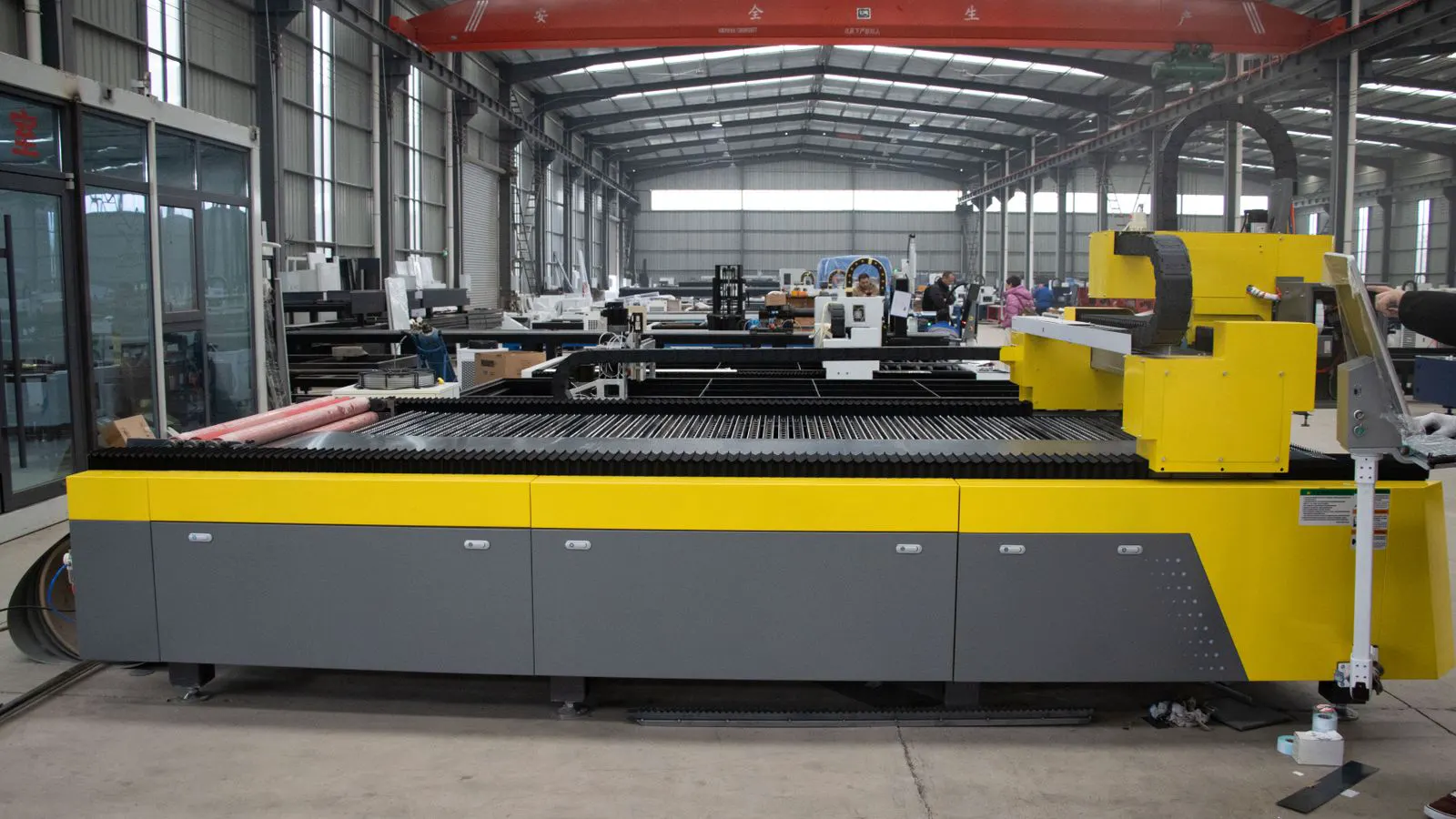
Laser welding cookware joins bases without melting the entire pan, reducing heat distortion. Engineers should examine joint penetration, heat-affected zones, and supplier quality records to ensure cookware base integrity holds up under commercial use.
- Laser welding cookware creates localized heat, limiting distortion compared to broad-arc methods.
- Cookware base integrity depends on joint penetration, material thickness, and post-weld inspection.
- Manufacturing processes vary by supplier. Request sample cross-sections and weld documentation before placing orders.
- Thin stainless steel pans need higher precision than thick cast iron or tri-ply bases.
- Supplier capability should match the base geometry, material, and expected service life.
Why base joints matter in commercial cookware
A cookware base is the part that meets the burner, induction field, or hot oil. The joint between the base and the pan body is where thermal cycles, impact, and mechanical stress concentrate. A weak joint can crack, delaminate, or shift under repeated use.
Engineers evaluating cookware often focus on the outer shell, handle attachment, and finish. The base joint is easy to miss. It is also one of the first places where a poorly manufactured pan fails. When a pan is dropped, the base often absorbs the initial impact. When it is stacked in a commercial kitchen, the weight and friction create shear forces at the attachment point. If the joint is thin or poorly bonded, these forces will separate the layers long before the body of the pan shows visible damage.
When buyers compare suppliers, they should ask how the base was attached. The answer changes the risk profile of the product. A pan with a welded base has different failure modes than a pan with a riveted or glued base. A welded joint might fail through corrosion or fatigue, while a glued joint might fail through heat softening. Knowing the method allows the buyer to predict where and how the product might degrade over its service life.
What laser welding cookware actually does
Laser welding cookware uses a focused beam to melt and fuse small areas of metal. The heat is concentrated in a narrow zone. That is the core difference from other welding methods. Unlike arc welding, which spreads heat across a wider area, a laser beam targets a specific line or point. This precision allows the manufacturer to join thin sections without melting the surrounding material.
In a cookware base application, the laser may weld a separate base plate to the pan body. It may also join a copper, aluminum, or stainless insert inside the base. The beam width, travel speed, and pulse pattern control how deep the joint goes and how much the surrounding metal heats. For example, a continuous wave laser might be used for a thick, solid base, while a pulsed laser might be better suited for thin, multi-layer clad construction. The choice of laser type depends on the material’s thermal conductivity and the desired depth of fusion.
For stainless steel cookware, the goal is a clean, strong bond with minimal discoloration. Stainless is reflective and sensitive to heat. If the beam is too strong, it can burn the surface or cause oxidation. For aluminum bases, the goal is a joint that handles thermal expansion without cracking. Aluminum expands and contracts significantly more than steel. The joint must be flexible enough to accommodate this movement without failing. For tri-ply or clad bases, the laser may weld the outer layers to a core material. This requires careful control to avoid spalling the outer layers or delaminating the core.
A well-executed laser weld can be nearly invisible from the outside. A poor weld may show a bright line, a rough bead, or a slight bulge. Those signs are useful, but they are not proof of strength. A shiny line might indicate a clean surface, but the joint underneath could still be porous. A rough bead might look ugly but could provide adequate mechanical interlock if the penetration is deep enough. Visual inspection alone is rarely sufficient for quality assurance.
How heat affects structural strength
Every weld introduces heat. Heat changes the microstructure of the metal. In stainless steel, excessive heat can create sensitization, which increases susceptibility to corrosion in certain environments. Sensitization occurs when chromium and carbon combine at the grain boundaries, leaving the surrounding metal depleted of chromium. This makes the area prone to pitting, especially in acidic or salty environments common in commercial kitchens. In aluminum, heat can reduce local strength if not managed. Aluminum has a lower melting point than steel, so it is more forgiving in some ways but more prone to distortion in others.
Laser welding cookware reduces the heat-affected zone compared with broad-arc welding. The narrower heat zone means less distortion. That matters for flat bases. A warped base will not sit evenly on a burner. It will also create stress points that propagate cracks. If a base bows even slightly, the pan may rock on the stove. This rocking creates uneven heating and can cause the base to detach over time as the metal fatigues.
For induction cookware, the base must remain flat and magnetically compatible. A laser-welded joint that shifts even slightly can change the contact area. That can affect heat transfer and user experience. Induction coils require a certain thickness and magnetic permeability to work efficiently. If the base shifts or thins at the joint, the pan may not heat properly. This is a functional failure, not just a cosmetic one.
What to check in supplier documentation
Engineers should not rely on a supplier’s claim of “precision laser welding.” The claim says little without supporting detail. Marketing terms are vague and do not indicate the actual quality of the joint.
Useful documents include:
- Weld procedure specification for the base material and thickness.
- Sample cross-sections showing joint penetration and bead profile.
- Heat-affected zone measurements for stainless and aluminum bases.
- Flatness and distortion test results after welding.
- Surface finish and corrosion resistance checks after the weld.
The weld procedure specification is the most critical document. It should list the laser power, speed, pulse frequency, and shielding gas used. Without this, it is impossible to verify if the process is suitable for the material. Sample cross-sections are physical evidence. They show how deep the laser penetrated and whether the joint is fully fused. Heat-affected zone measurements indicate how much of the base material was altered by the heat. If the HAZ is too wide, the material properties in that area may be compromised.
Flatness and distortion test results are often overlooked but are vital for commercial use. A pan that is not flat will not function correctly. Surface finish and corrosion resistance checks ensure that the welding process did not degrade the exterior. For example, if a stainless pan is welded, the weld area might be slightly more susceptible to rust if not properly passivated.
The most practical step is to request a physical sample and ask for a cutaway. A cutaway shows whether the joint is clean, fully fused, and free of porosity. A surface check alone may miss internal defects. Porosity, which is the presence of small gas pockets in the weld, weakens the joint and can lead to fatigue failure. A cutaway allows the engineer to see the weld profile and check for defects that are not visible from the outside.
Manufacturing processes that change the risk
Different manufacturing processes suit different base types. The table below compares common base attachment methods in general terms.
| Base attachment method | Typical use | Strength profile | Main risk |
|---|---|---|---|
| Laser welding | Thin stainless, aluminum, or clad bases | Strong, localized, low distortion | Porosity, incomplete penetration |
| Resistance welding | Copper or stainless bases on thin shells | Fast, consistent | Heat damage to finish or core |
| Riveting or mechanical fastening | Heavy cast iron, thick carbon steel | High mechanical strength | Visible fasteners, stress at holes |
| Adhesive bonding | Low-cost or decorative bases | Acceptable for light use | Temperature and moisture limits |
| Full-perimeter weld | Large commercial pans | High structural strength | Greater heat input, more distortion |
The method should match the material thickness, expected load, and service environment. A thin stainless saucepan and a heavy cast iron skillet do not need the same joint approach. For instance, a thin stainless saucepan might use laser welding to keep the base lightweight and flat. A heavy cast iron skillet might use riveting or a full-perimeter weld to handle the weight and the thermal shock of high-heat cooking.
Resistance welding is often used for copper bases because copper conducts heat well and can handle the electrical current used in resistance welding. However, the heat generated can damage the finish or the core if not controlled. Riveting provides high mechanical strength but is visible. In professional kitchens, a visible rivet might be acceptable, but in a consumer market, it might be seen as a design flaw. Adhesive bonding is low-cost but limited by temperature. If a pan is used for deep frying, the adhesive might fail, causing the base to detach.
A worked example in plain words
Imagine a supplier offers a stainless steel saucepan with a separate aluminum base for better heat transfer. The base is laser welded to the pan body around the lower edge.
If the laser parameters are correct, the joint will be a narrow, continuous weld. The aluminum base will sit flat. The stainless shell will not warp. The outside finish will show minimal discoloration. The aluminum will spread the heat evenly, preventing hot spots on the burner. The stainless shell will protect the outside from corrosion, while the aluminum inside handles the heat.
If the parameters are wrong, three things can happen. The weld may be shallow, leaving the base loosely attached. The heat may travel too far, causing the pan body to bow. The joint may contain small gas pockets, which weaken the bond over time. A shallow weld might hold initially, but under thermal cycling, the aluminum will expand and contract. If the weld is not deep enough to grip the stainless steel, the base will eventually separate. A bowed pan will not sit flat, leading to uneven heating and potential safety hazards. Gas pockets in the weld act as stress concentrators. Over time, these pockets can grow and cause the weld to crack.
An engineer would inspect the sample by cutting a small section through the joint. The cut should show a clean, dense line. If the line is broken, porous, or uneven, the base integrity is questionable. The supplier may need to adjust pulse width, travel speed, or shielding gas flow. For example, if the weld is too porous, the shielding gas flow might be too low, allowing air to enter the molten pool. If the weld is too shallow, the laser power might be too low or the travel speed too fast. Adjusting these parameters can improve the quality of the joint.
This example shows why process control matters more than the marketing term “laser welded.” The term is a feature, but process control is the quality.
How laser welding affects sourcing decisions
When selecting a supplier, laser welding cookware capability should be treated as a process capability, not a feature label. Ask for evidence that the process is controlled. A supplier that can weld one type of pan may not be able to weld another without retraining or new equipment.
Key questions include:
- What base materials does the supplier weld routinely?
- What is the maximum base thickness they can handle without distortion?
- Do they perform first-article inspection on new designs?
- Do they keep weld parameters on file for each production run?
- Can they provide a cutaway sample for acceptance testing?
A supplier that only welds one type of base may not be suitable for a complex tri-ply design. A supplier that welds thin copper pans may not handle thick stainless bases without redesigning the process. For example, a supplier might have experience with thin aluminum bases but lack the equipment to handle thick stainless steel. Thick steel requires more power and precise control to avoid distortion. If the supplier does not have this experience, they may introduce defects that only appear after production.
For buyers, the decision is not simply “laser vs. no laser.” The decision is “can this supplier control the joint well enough for my product’s service conditions.” A laser-welded base is not inherently better than a riveted or glued base. It is better if the supplier can control the process. If the supplier cannot control the process, a simple adhesive bond might be more reliable because it is less sensitive to parameter changes.
Common mistakes to avoid
Buyers often make the same errors when sourcing cookware with laser-welded bases.
- Assuming a smooth weld surface means full penetration.
- Ignoring base flatness after welding.
- Not testing the joint under thermal cycling.
- Accepting visual inspection only.
- Overlooking the supplier’s ability to adjust parameters for material changes.
A smooth surface does not guarantee a strong joint. The surface is only the top of the weld. The strength depends on the depth of fusion and the quality of the bond. Ignoring base flatness is a common mistake. A pan that looks fine on the surface might be warped internally. This will cause functional problems in the kitchen. Not testing the joint under thermal cycling is a major oversight. Cookware is used for hot and cold temperatures repeatedly. If the joint cannot handle this, it will fail.
Accepting visual inspection only is risky. Visual inspection is a first step, but it is not enough. It should be followed by physical testing and cross-sections. Overlooking the supplier’s ability to adjust parameters for material changes is a long-term risk. If the supplier changes their stainless steel supplier, the material properties might change slightly. This can affect the welding process. If they do not requalify the process, the joint quality can drift.
For professional buyers, the safest approach is to define acceptance criteria before production. Specify minimum flatness, maximum discoloration, and required cutaway acceptance. Then verify the supplier can meet those criteria on samples. This ensures that the supplier understands the quality requirements and has the capability to meet them.
Bottom line for engineers
Laser welding cookware can produce a strong, low-distortion base joint when parameters are controlled. The technology itself does not guarantee quality. The supplier’s process discipline does.
Engineers should focus on three things. First, the weld procedure must match the material and thickness. Second, the joint must be inspected beyond the surface. Third, the supplier must show that they can hold consistency across production runs.
When those three points are in place, cookware base integrity becomes a manageable design variable. When they are not, the base joint is where the product will fail.
Frequently asked questions
Can laser welding cookware be used on all base materials?
It works well on stainless steel, aluminum, and some clad bases, but material thickness and alloy type affect the required settings. Some thick or reactive materials may need a different process.
How do I know if a laser-welded cookware base is strong enough?
Request a cutaway sample and check for full penetration, porosity, and a clean joint. Also test base flatness and thermal cycling before approving production.
Does laser welding cookware leave visible marks?
It can, depending on material and parameters. A well-controlled weld should show minimal discoloration, but visible marks alone do not confirm weak or strong joints.
What is the main advantage of laser welding over broad-arc welding for cookware bases?
The narrower heat zone reduces distortion and limits heat damage to the surrounding pan body, which helps maintain a flat, stable base.
Should I require supplier weld documentation for every order?
Yes, especially for new designs or material changes. Keep the weld procedure, sample cross-sections, and inspection records on file for each production run.